Create a Cozy Yet Productive Home Office for Cold Winter Days
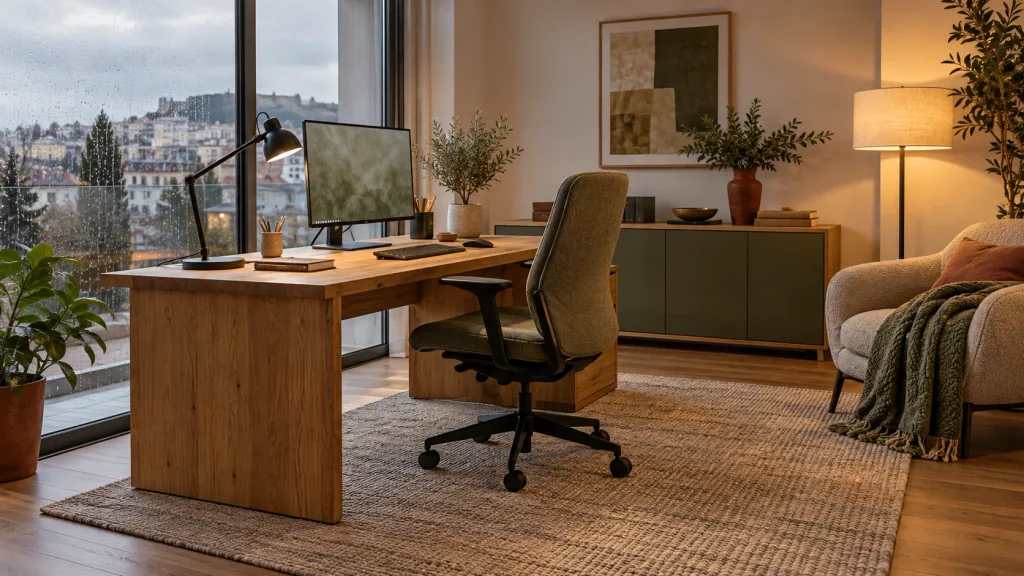
Remote work and hybrid schedules have firmly established themselves in our daily lives, transforming the home office from a temporary setup into one of the most essential spaces in a modern residence. However, as temperatures drop and the days grow shorter, spending long hours in front of a screen can easily become exhausting if your workspace is chilly, dim, or poorly organized.
The ultimate challenge during the winter months is striking the right balance: how to create a warm and inviting (cozy) environment without inducing drowsiness or hindering productivity.
The answer lies in combining sound building infrastructure with smart interior design and ergonomic choices. Let’s look step-by-step at how you can upgrade your home office for the winter season.
1. The Foundation of Warmth: Thermal Comfort and Proper Placement
Before even getting to decorative elements, true coziness starts with actual, physical warmth. When we work seated for hours, our bodies remain stationary and cool down much faster than when we are moving around the house.
- Choose the right spot: Avoid placing your desk directly against north-facing exterior walls if the building lacks modern external thermal insulation, as cold transfers easily. Ideally, take advantage of rooms with a southern or eastern orientation that are bathed in winter sunlight.
- Check your window frames: Placing a desk near a window offers a great view and natural light, provided the frames are energy-efficient and airtight. If there are minor drafts coming from older windows, applying weatherstripping tape or hanging heavy curtains (such as blackout or velvet drapes) will immediately block unwanted cold air.
- Maintain a steady temperature: The ideal temperature for mental work ranges between 20°C and 22°C (68°F–72°F). An overly warm room causes sluggishness and headaches, whereas a cold room forces your body to expend energy staying warm rather than focusing. In homes with underfloor heating, this balance is achieved effortlessly, as heat radiates evenly from the ground up, keeping your extremities warm.

2. Layered Lighting for Gloomy Days
In winter, natural daylight fades dramatically after 4:00 PM, and overcast skies are frequent. The harsh, cool glare of a single overhead ceiling light strains the eyes and creates a sterile, “clinical” feel that strips away any sense of warmth.
To achieve a warm yet functional workspace, apply the lighting layering technique:
- Task Lighting: A stylish desk lamp with an adjustable arm is essential. Choose a LED bulb with neutral light (around 4000K) that clearly illuminates your keyboard and documents without creating glare on your monitor.
- Ambient Lighting: Place a floor lamp in the corner of the room or install a LED strip behind your computer monitor (bias lighting) with a warmer color temperature (2700K–3000K). This reduces eye strain caused by the contrast between a bright screen and a dark room, while instantly adding depth and warmth to the space.
- Natural Light: Position your desk perpendicular to the window rather than directly facing it or with your back to it. This allows you to make the most of natural daylight without being blinded by the sun or dealing with screen reflections.


3. Materials and Textures That Warm Up the Atmosphere
The feel of a space is largely defined by the materials we see and touch. A glass or metal desk might look sleek and modern, but in the winter, it feels icy to the touch and visually cold.
- The power of wood: Whether it’s a solid wood desk, wooden wall shelves, or hardwood flooring, wood is the ultimate protagonist of winter warmth. Even if your desktop is white or metal, adding a large leather or felt desk mat will immediately warm up the surface where you rest your hands.
- Rugs and textiles: A plush rug under your desk doesn’t just provide visual warmth and floor insulation; it also significantly improves room acoustics by absorbing echo during your video calls.
- The essential throw blanket: A knitted throw blanket or a lumbar pillow in earthy tones draped over your office chair—or a nearby reading armchair—adds texture and is always within reach when you need a little extra warmth.


4. Color Palette and Biophilic Design
The colors surrounding us directly impact our mood and energy levels. During winter, warm hues act as an antidote to the bleakness of the outdoors.
- Earthy and warm tones: You don’t need to repaint the entire room from scratch. You can introduce shades like terracotta, forest green, warm sandy beige, mustard yellow, or deep navy blue through framed art, storage boxes, curtains, or even by painting a single accent wall behind your desk.
- Indoor plants: Since we spend less time outdoors in the winter, bring nature into your office. Hardy indoor plants that don’t require direct sunlight—such as the Snake Plant (Sansevieria), ZZ Plant (Zamioculcas), or Pothos—purify the air in enclosed rooms, reduce stress, and bring vibrant life into your field of vision.
5. Ergonomics, Acoustics, and Order: The Secret to Peace of Mind
A workspace can never feel truly cozy and inviting if it is cluttered or leaves you with back and neck pain at the end of the day. Visual clutter translates directly into mental fatigue.
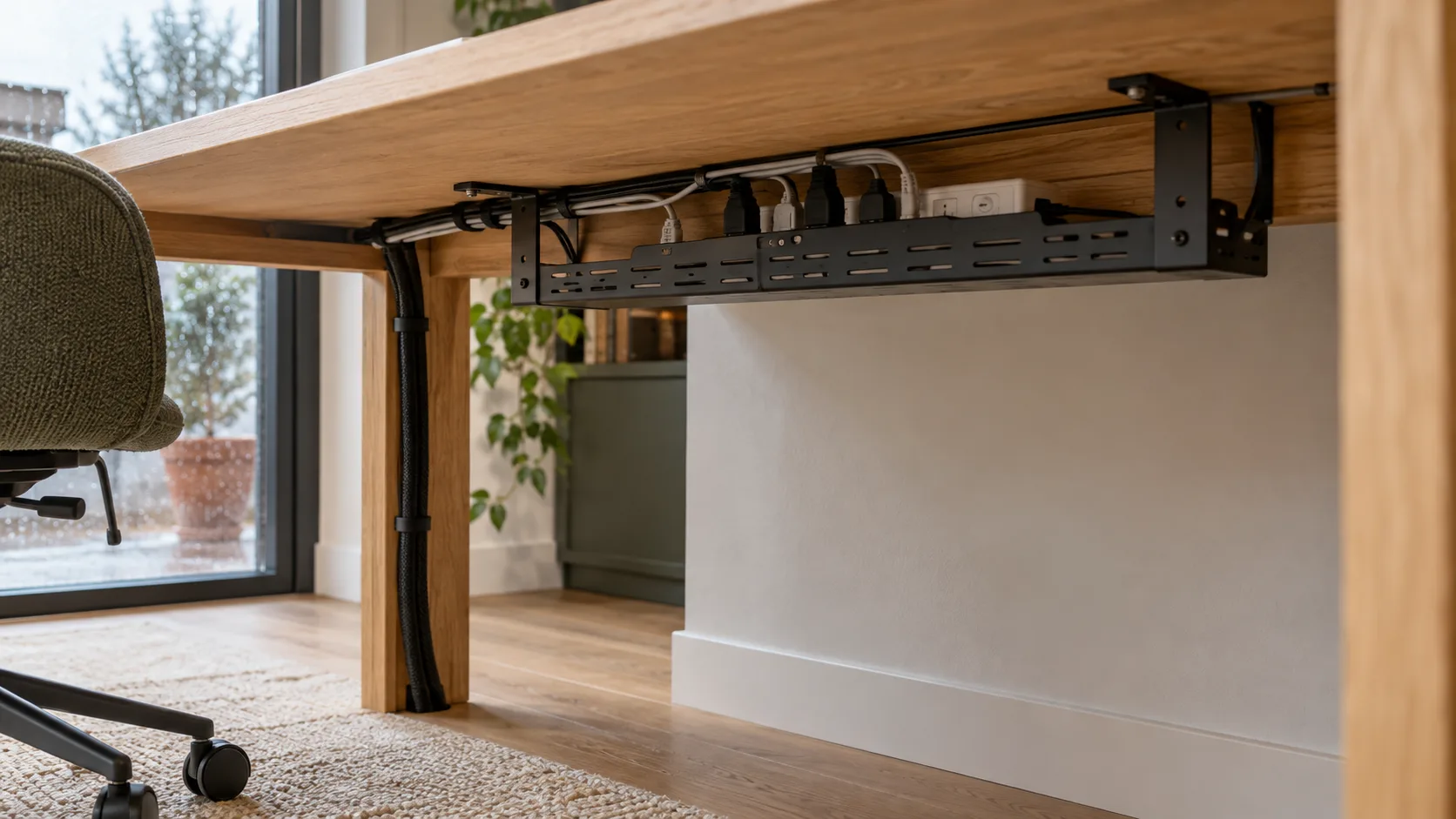
- Cable management: Tangled wires on and underneath your desk ruin any aesthetic effort. Use cable raceways, cable management boxes, or under-desk clips to achieve a clean, minimalist look.
- Closed storage: Opt for closed cabinets or attractive fabric and wooden boxes on your shelves to store papers, chargers, and stationery. Keep only the items you use daily on your desktop.
- Acoustic insulation: In winter, the whole family spends more time indoors. A solid interior door with good soundproofing, combined with fabrics, bookshelves, and rugs that absorb sound vibrations, will ensure the quiet environment you need to stay focused.



6. The Small Touches That Make a Difference
Finally, what transforms a standard work room into your personal winter sanctuary are the details that engage the senses:
- A beverage station: A thermal mug or a heated coaster that keeps your coffee or tea warm right on your desk saves you from constant interruptions and trips to the kitchen.
- A signature scent: A subtle scented candle or an essential oil diffuser (featuring notes like cedarwood, bergamot, cinnamon, or eucalyptus) creates a wonderful wintry atmosphere and aids concentration.
- Fresh air circulation: Even on the coldest days, remember to open your window wide for 5–10 minutes in the morning and afternoon. Fresh oxygen revitalizes the brain without giving the room’s walls and furniture time to cool down.
Creating a warm and functional home office doesn’t necessarily require a complete overhaul—just thoughtful planning. When modern construction quality—complete with proper insulation, efficient heating, and abundant natural light—meets mindful interior styling, winter stops being an obstacle and becomes the most creative and productive season of the year.