
A Step-by-Step Home Maintenance Guide
Winter puts the resilience of every building to the test. Sub-zero temperatures, heavy rainfall, frost, and high winds do not merely impact the indoor thermal comfort of a home—they can also compromise its structural integrity and the safety of its occupants.
In the construction sector, we know that prevention is always more cost-effective than remediation. A timely, systematic winter inspection acts as a shield against unforeseen repair expenses while noticeably cutting down heating costs.
Below is a detailed, technically sound, step-by-step maintenance guide designed to thoroughly prepare your property before severe weather hits.
1. The Building Envelope: Roof, Gutters, and Insulation
The building envelope is the primary defense against the elements. Any fissure or material failure here allows water and cold drafts to penetrate the structural fabric.
Roof and Flat Roof (Deck) Inspection
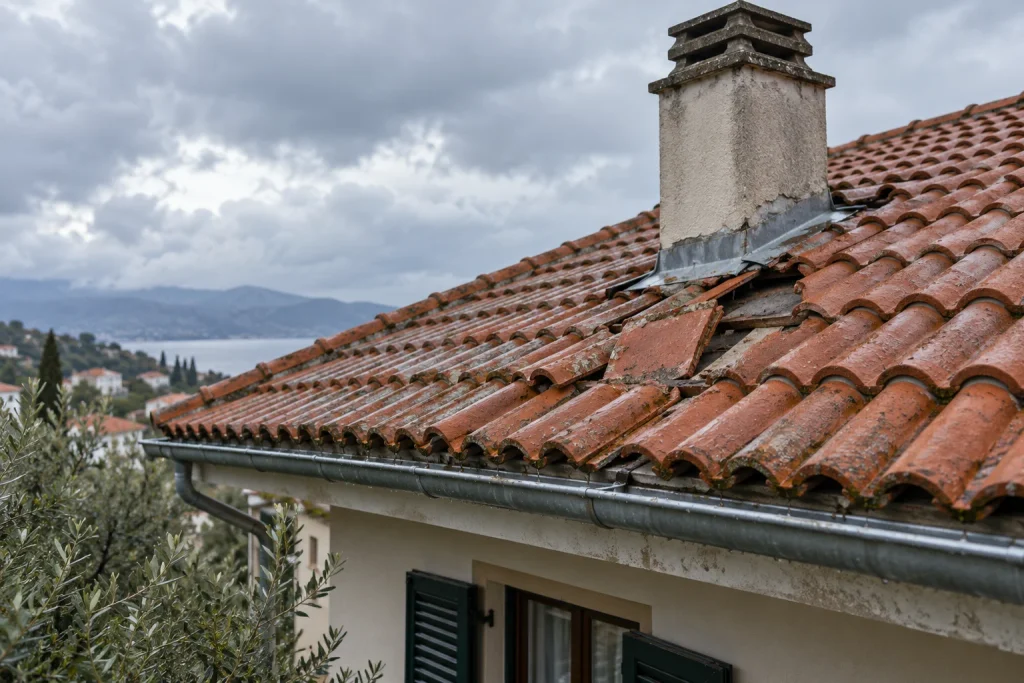
- Tiled Roofs: Visually inspect for cracked, broken, or dislodged tiles. Pay close attention to ridge caps and junctions around parapets or chimneys. A minor fissure can lead to moisture ingress into the roof insulation or ceiling assemblies below.
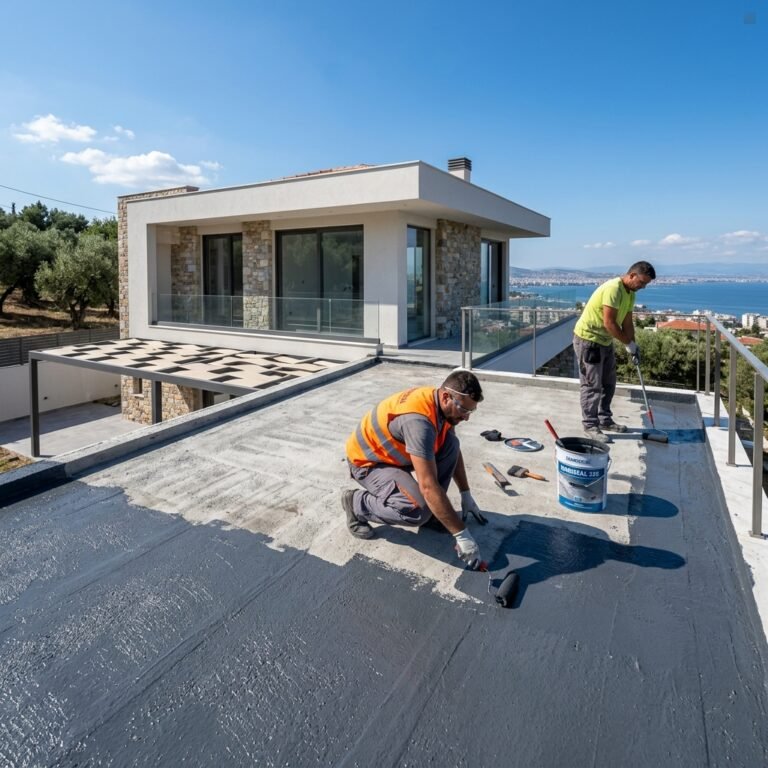
- Flat Roofs: Examine the waterproofing membranes (bituminous sheets, liquid polyurethane coatings, etc.). Check for blistering, delamination at perimeter upstands, or cracks. Ensure adequate roof falls direct water toward the drains without ponding.
Cleaning Gutters and Downspouts
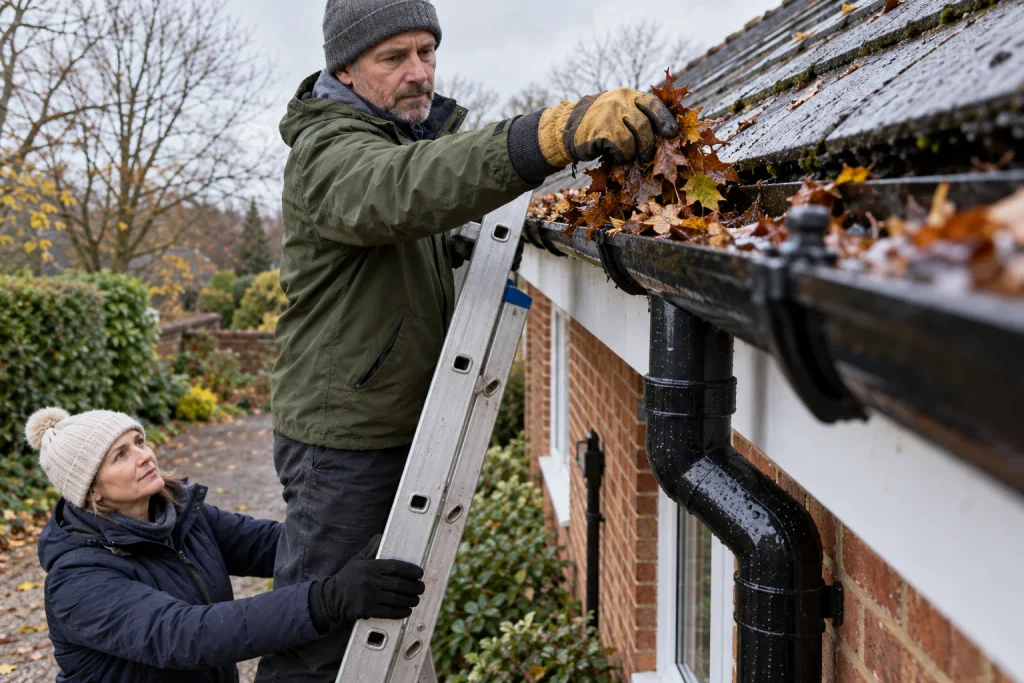
During autumn, decaying foliage, twigs, and debris frequently obstruct rainwater systems.
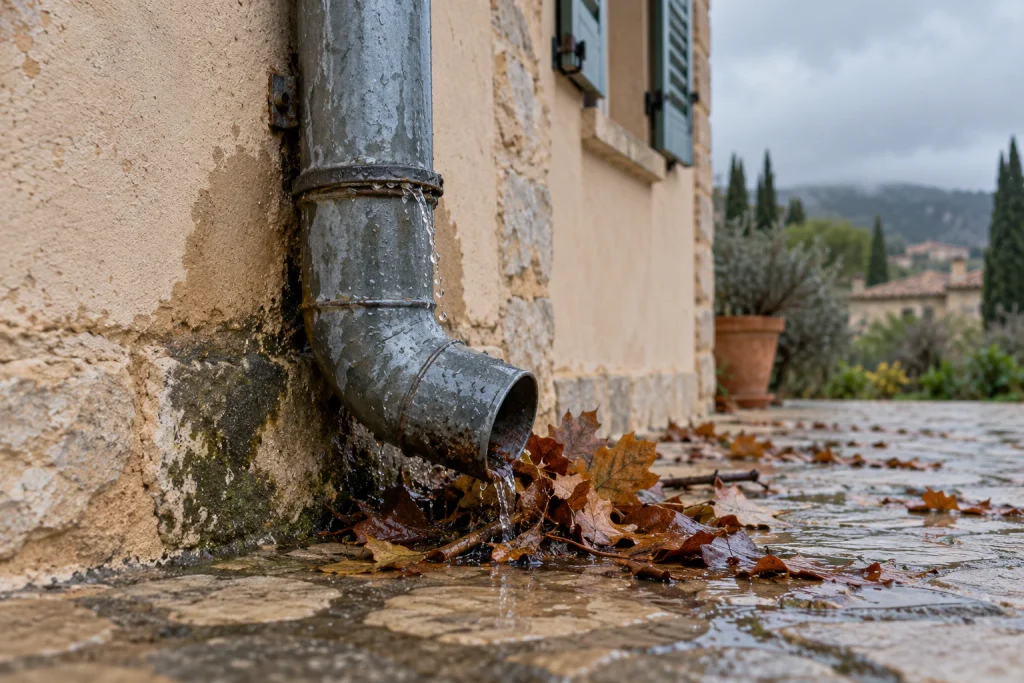
- Thoroughly clear all horizontal gutters and vertical downpipes.
- Inspect pipe connections for leaks. An obstructed gutter causes overflow, channeling water directly against the external masonry—a process that progressively degrades render and external wall insulation systems.
Exterior Masonry and Sealants
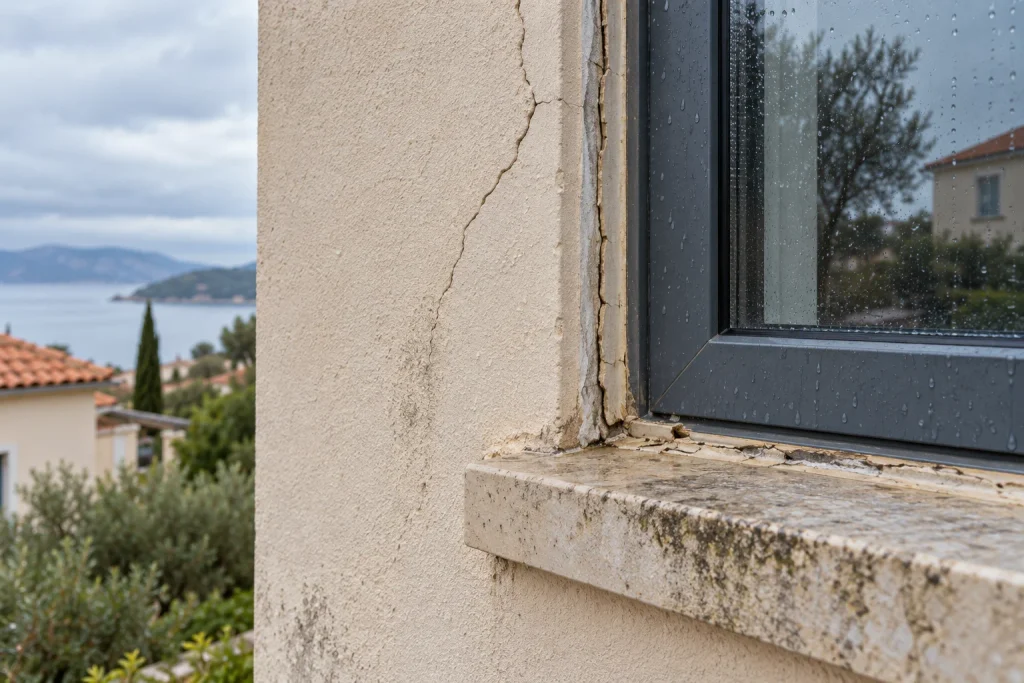
Inspect the facade for hairline cracking in the render. When water penetrates these cracks and the temperature drops below freezing, it expands due to frost action, causing spalling and surface detachment. Seal cracks promptly using high-performance elastomeric sealants.
2. Fenestration: Eliminating Thermal Bridges and Drafts
Up to 25–30% of thermal losses in a typical dwelling occur through poorly insulated fenestration or degraded weatherstripping.
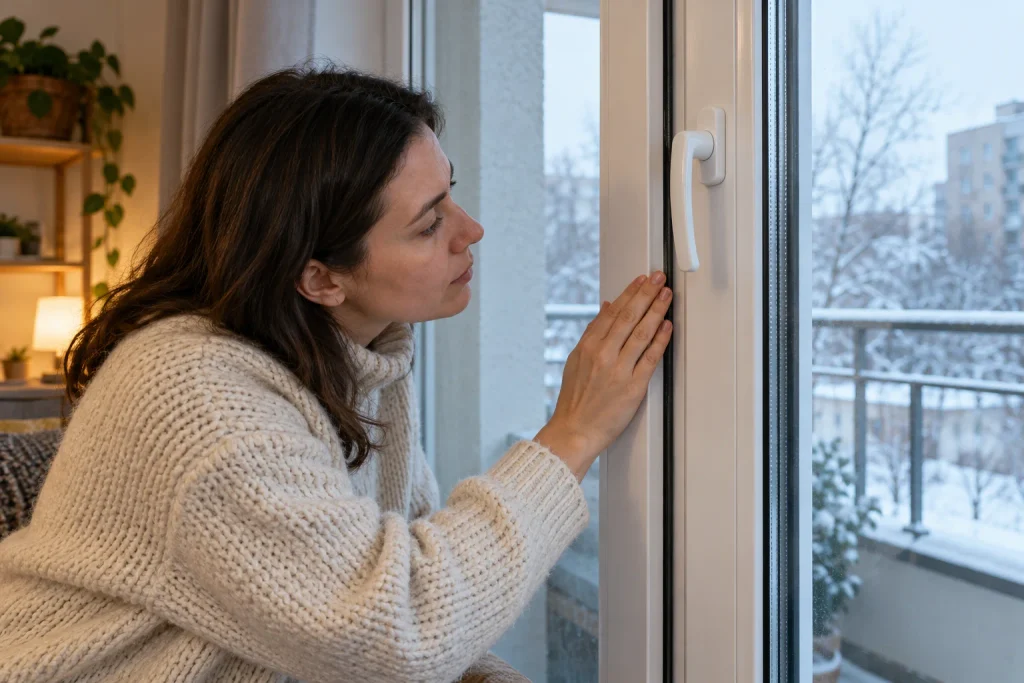
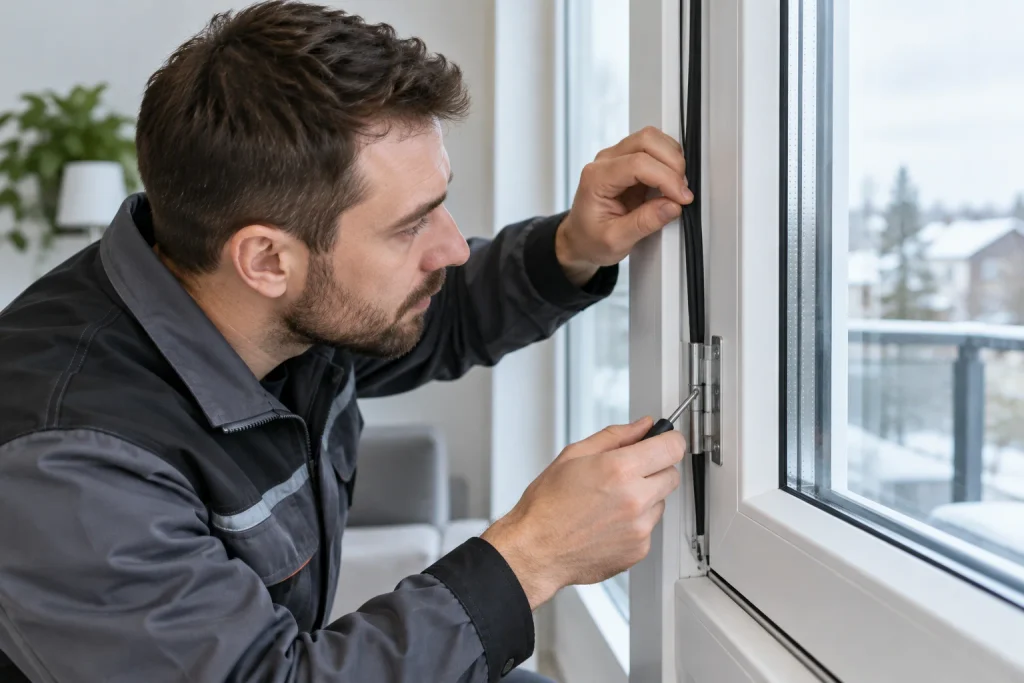
- Inspection of Gaskets: Check the compression seals on windows and balcony doors. Over time, rubber hardens, shrinks, or perishes. Replacing perimeter gaskets is an inexpensive intervention that delivers immediate thermal performance improvements.
- Hardware and Tilt-and-Turn Adjustment: The multi-point locking gear on modern aluminum or PVC frames often requires adjustment to ensure the sash seals tightly against the frame. Lubricate moving mechanical components with silicone lubricant spray.
Perimeter Joint Sealing: Check the silicone or polyurethane seals bridging the window frame and the wall opening. If detached or cracked, cut away old sealant and reapply neutral-cure exterior silicone.
3. Heating and Climate Control Systems
An unserviced heating system runs inefficiently, consumes substantially more fuel or electricity, and carries a heightened risk of mechanical breakdown during the coldest days of the year.
| Heating System | Key Maintenance Actions | Frequency |
| Oil / Gas Boiler | Burner and heat exchanger cleaning, combustion tuning, flue check | Annually (pre-season) |
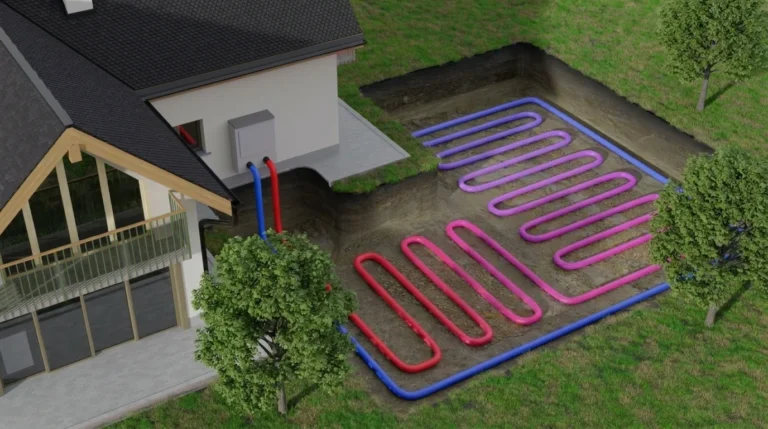
| Heat Pump | Clear outdoor coil of debris/leaves, check glycol levels, clean filters | Annually |
| Radiators | Bleed air pockets, check TRVs/valves, vacuum dust from fins | Pre-season setup |
| Fireplace / Pellet Stove | Mechanical flue sweep, firebrick inspection, door rope seal check | Annually |
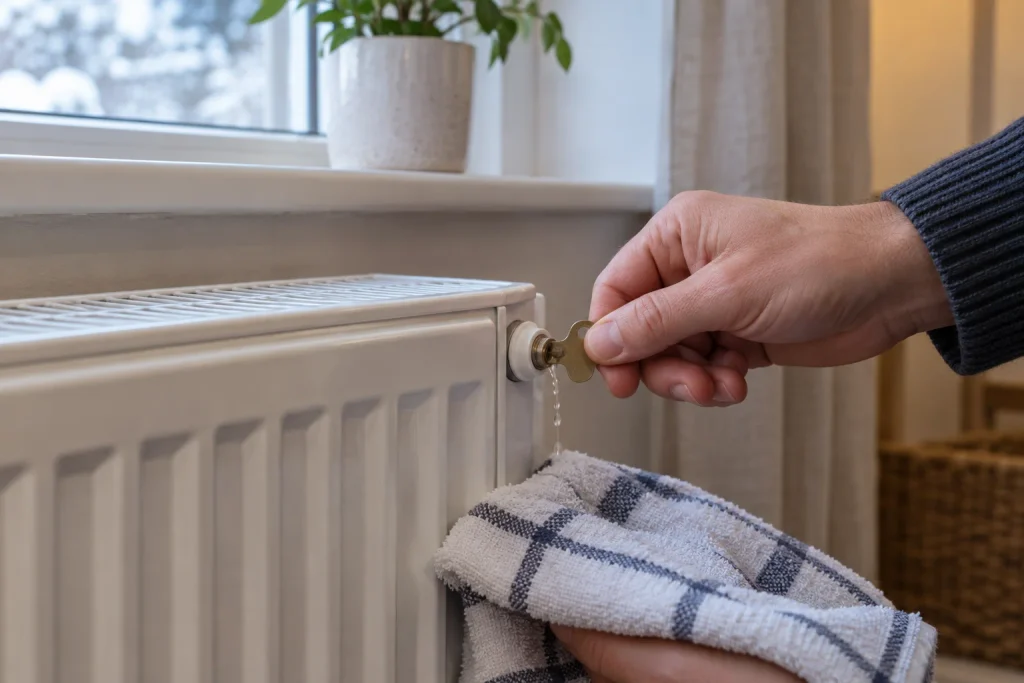
Bleeding Radiator Panels
If radiators feel warm at the bottom but cold near the top, air pockets are trapped inside the closed hydronic circuit. Bleed each radiator individually, starting from the one closest to the boiler. Afterwards, verify system pressure on the boiler pressure gauge (it should typically read between 1.2 and 1.5 bar).
Fireplace and Flue Safety
Burning wood produces creosote—a highly flammable byproduct that accumulates on the interior flue walls. Professional chimney sweeping is non-negotiable to prevent flue fires and ensure proper draft, preventing toxic flue gases and carbon monoxide from spilling back into living areas.
4. Plumbing Installations: Preventing Freeze and Water Damage
Water expanding inside pipes as it freezes exerts immense hydrostatic pressure. This often fractures pipe walls, causing severe concealed leaks that only manifest once the thaw begins.
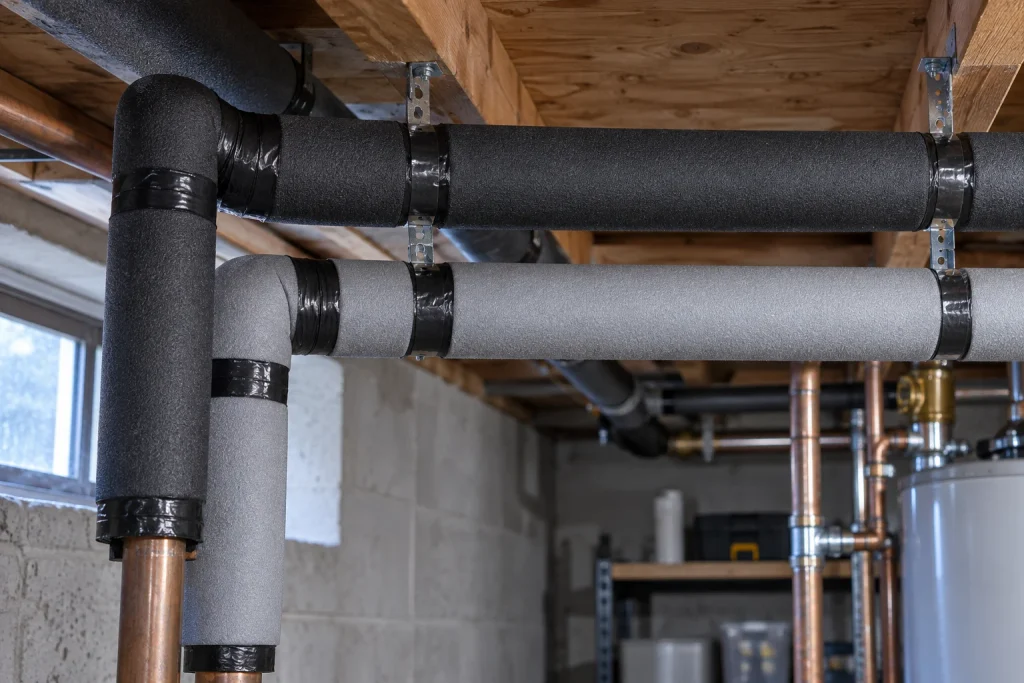
- Insulating Exposed Pipework: All water supply pipes situated in unheated spaces, open ground floors, boiler rooms, and basements must be sleeved with closed-cell elastomeric foam insulation. Ensure longitudinal joints are secured with vapor-barrier tape.
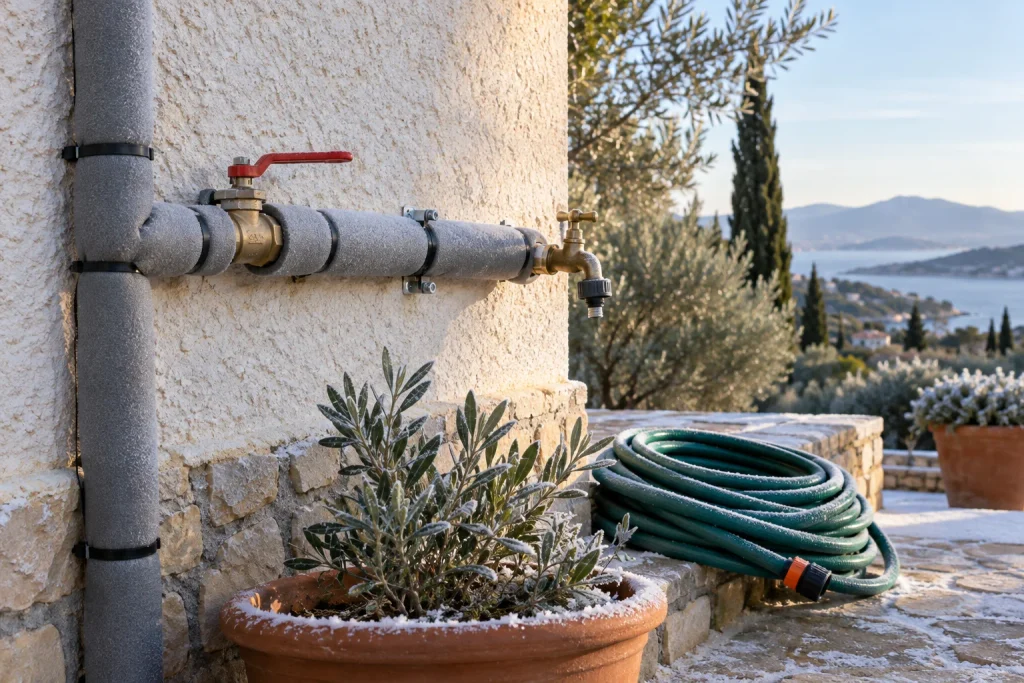
- Exterior Hose Bibs and Spigots: Shut off the dedicated isolation valve supplying outdoor taps (if available) and open the bib to drain standing water. Disconnect and store garden hoses indoors.
- Solar Water Heaters: Check and top up the antifreeze thermal transfer fluid (glycol solution) in the closed loop. Operating with diluted fluid risks rupturing the solar collector manifolds during sub-zero nights.
5. Electrical Safety and Protection Systems
Electrical demand surges in winter due to space heaters, dehumidifiers, and extended artificial lighting hours.
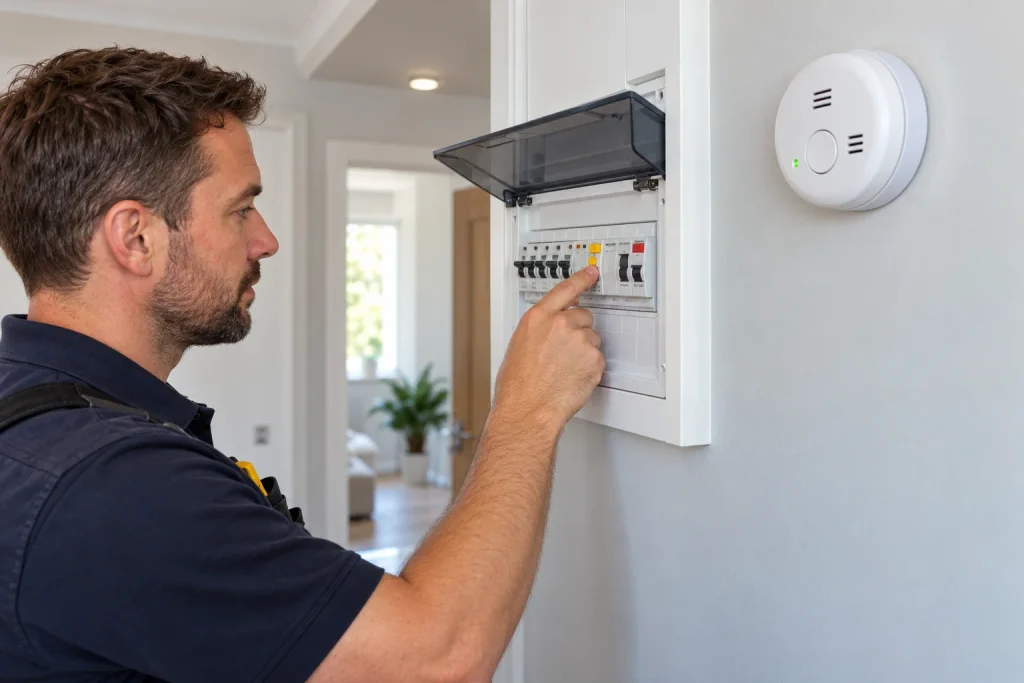
- RCD (Safety Trip Switch) Testing: Press the test button on your distribution board’s Residual Current Device (RCD). The switch must trip instantaneously. If it fails to disengage, consult a licensed electrical contractor immediately.
- Smoke and Carbon Monoxide (CO) Detectors: If your home utilizes a fireplace, wood stove, or fuel-burning boiler, operational CO detectors are essential life-safety devices. Test sirens and install fresh batteries proactively.
- Security and Outdoor Lighting: Inspect exterior light fittings and passive infrared (PIR) sensors. Clear illumination over entryways, paths, and steps prevents slip-and-fall injuries caused by rain or localized ice.
6. Surrounding Grounds and Grounds Maintenance
Winter gale-force winds and snow loading can turn outdoor fixtures and trees into hazardous projectiles or structural liabilities.
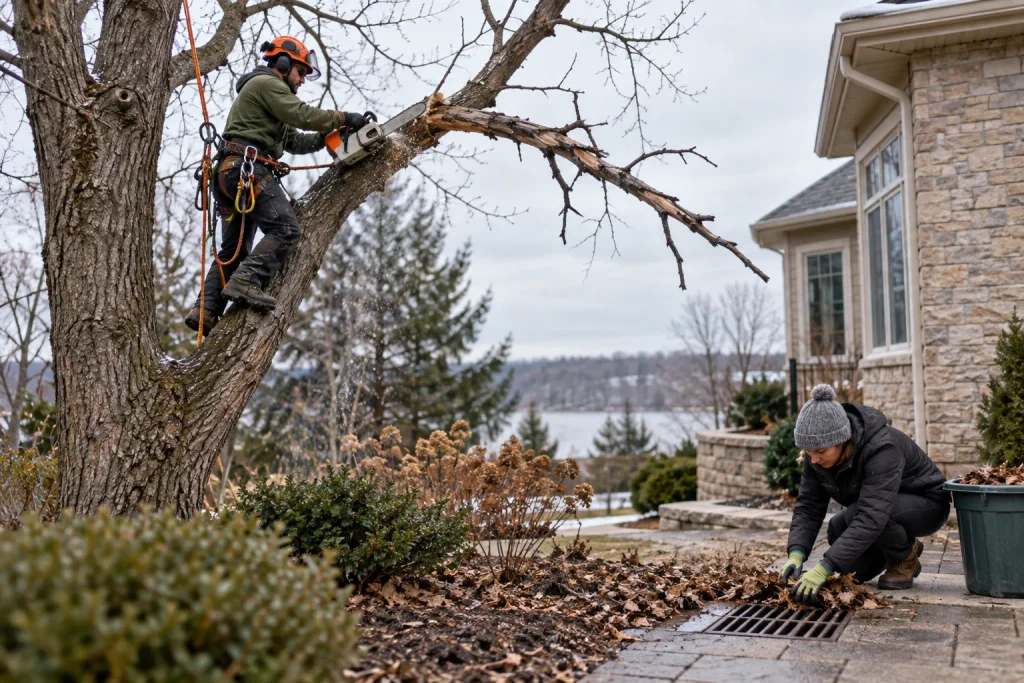
- Arboricultural Pruning: Inspect mature trees adjacent to rooflines, overhead service cables, or parking zones. Prune deadwood, overextended boughs, or diseased limbs that could snap under wind or snow loads.
- Site Drainage and Gullies: Inspect yard gullies, linear slot drains, and storm sumps. Remove leaves, silt, and aggregates to prevent localized flooding near basements or threshold levels.
- Securing Exterior Furniture: Anchor or store outdoor furniture, awnings, and lightweight shade canopies that could be compromised or displaced by high wind gusts.
The Value of Proactive Building Care
A thorough winterization inspection requires little more than a focused weekend, yet pays dividends throughout the season. It guarantees lowered energy expenditures, a dry, mold-free indoor environment, and complete peace of mind against adverse weather conditions.
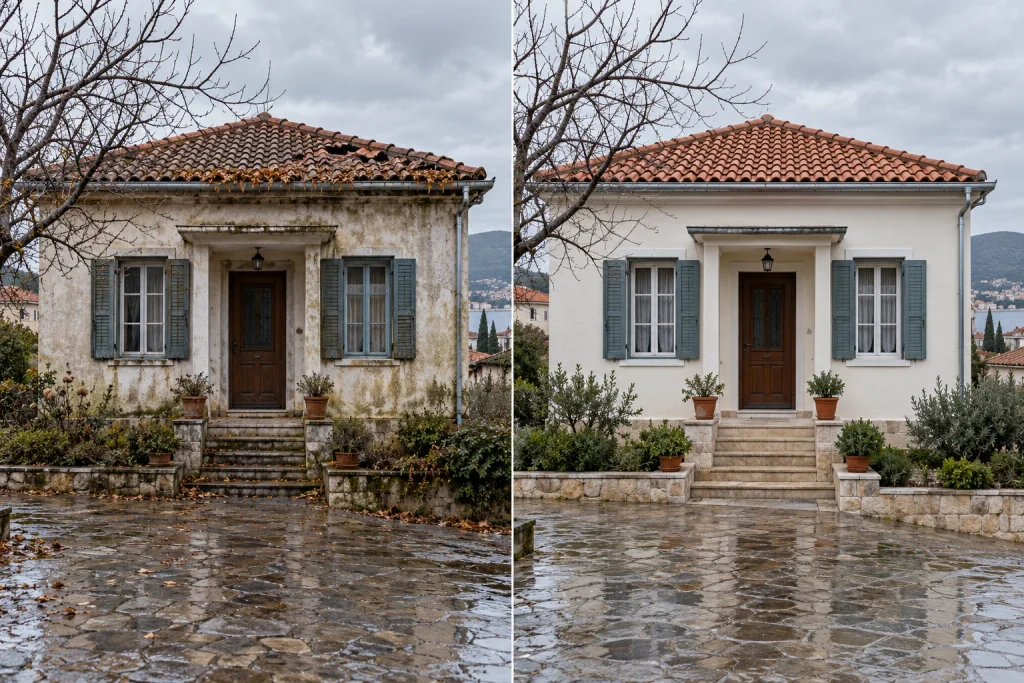
If your inspection reveals recurring dampness, structural cracks, water penetration, or thermal bridging, contact qualified building engineers. Targeted interventions—such as a certified external thermal insulation composite system (ETICS) or modernized roof waterproofing—represent durable investments that safeguard your property’s value for decades.