
A new philosophy of living begins outside the home
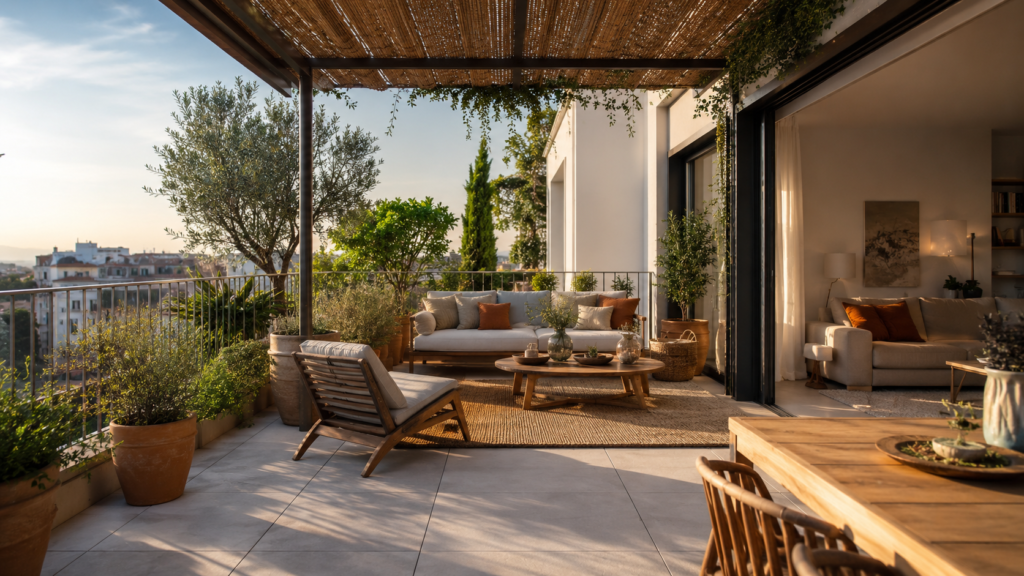
More and more, attention is turning outward: to the balcony that can become a place of relaxation, to the yard that transforms into a space for hosting, to the roof garden that offers a breath of fresh air in the city, and even to the small balcony that, with the right design, can function as a small stage for everyday life, set against the sky.
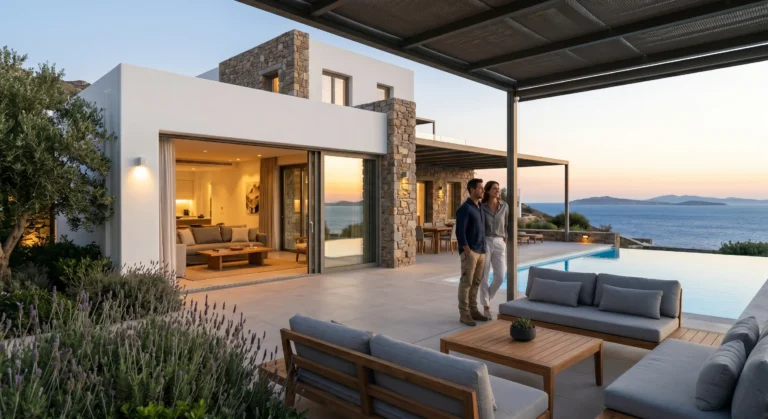
In 2026, outdoor living goes beyond the idea of a passing trend and becomes part of a more contemporary architectural mindset. The outdoor area is no longer treated as “leftover” square footage, but as an organic part of the home — a natural extension of the interior, designed to host moments of relaxation, gathering, dining, working, and everyday enjoyment. The yard and balcony are transformed into living scenes, where light, shade, materials, and views come together to create a distinctive living experience.
Especially in a country like Greece, where summer lasts long and the sun is an essential part of the daily life, proper use of outdoor spaces is a life investment.
From storage balcony to outdoor living room
For many years, the balcony was often treated as a secondary space: a place for drying racks, mismatched plant pots, stored items, or a table that was rarely used. That way of thinking is now changing.
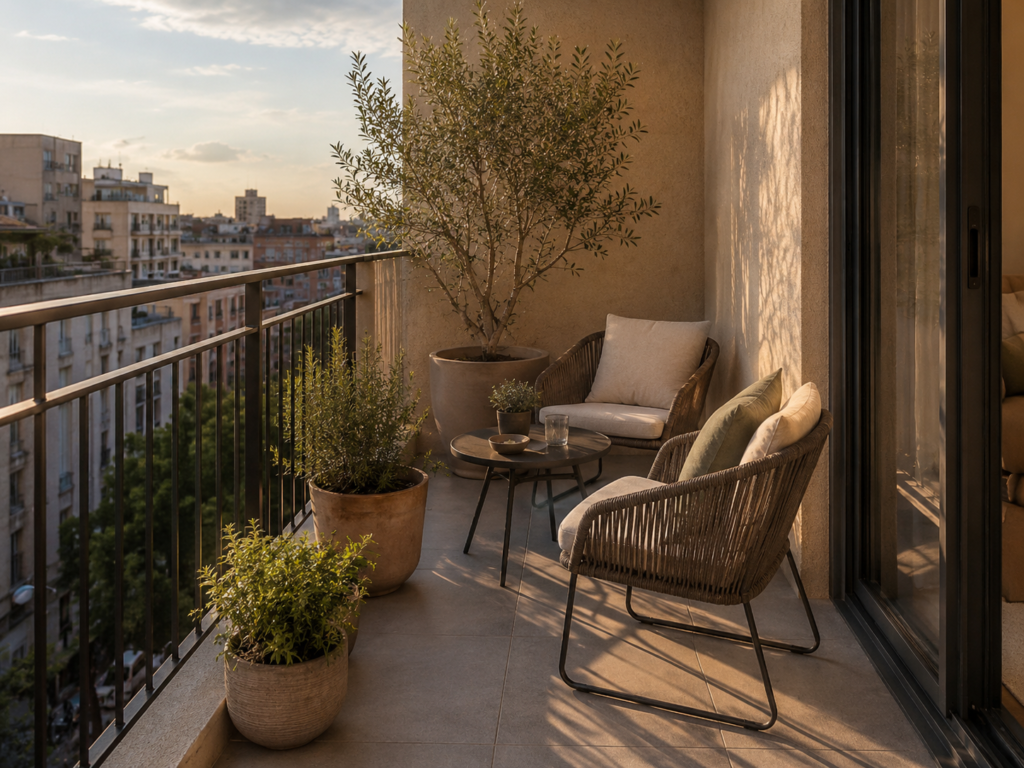
The modern home sees the balcony as a true living space — a second sitting area, only this one is under the open sky. With the right construction, planning, and choice of materials, even a relatively small outdoor space can gain character, functionality, and comfort.
What matters is not necessarily the size. It is a thoughtful design. A well-positioned pergola, durable flooring, right lighting, a few carefully selected plants, and practical seating can completely transform both the appearance and the use of a balcony.
Blurring the Line Between Inside and Outside
One of the strongest trends for 2026 is the sense of continuity between the interior and exterior of the home. The living room no longer has to stop at the balcony door. Instead, it can extend outward, creating one unified living environment.
This, can be achieved through large opening or sliding glass doors, a consistent colour palette, similar materials, and a strong visual connection. For example, a living room that opens onto a well-designed balcony with wood or stone elements immediately feels larger, brighter, and more welcoming.
Contemporary architecture places great emphasis on this transition. It is not enough for an outdoor space simply to exist. It needs to be easily accessible, functional, and aesthetically connected to the rest of the home.
Shading: the key to a space that is actually used
- In Greece, no outdoor space can truly function without carefully planned shading. Pergolas, shading systems, awnings, natural planting, and even bioclimatic structures all play a decisive role.
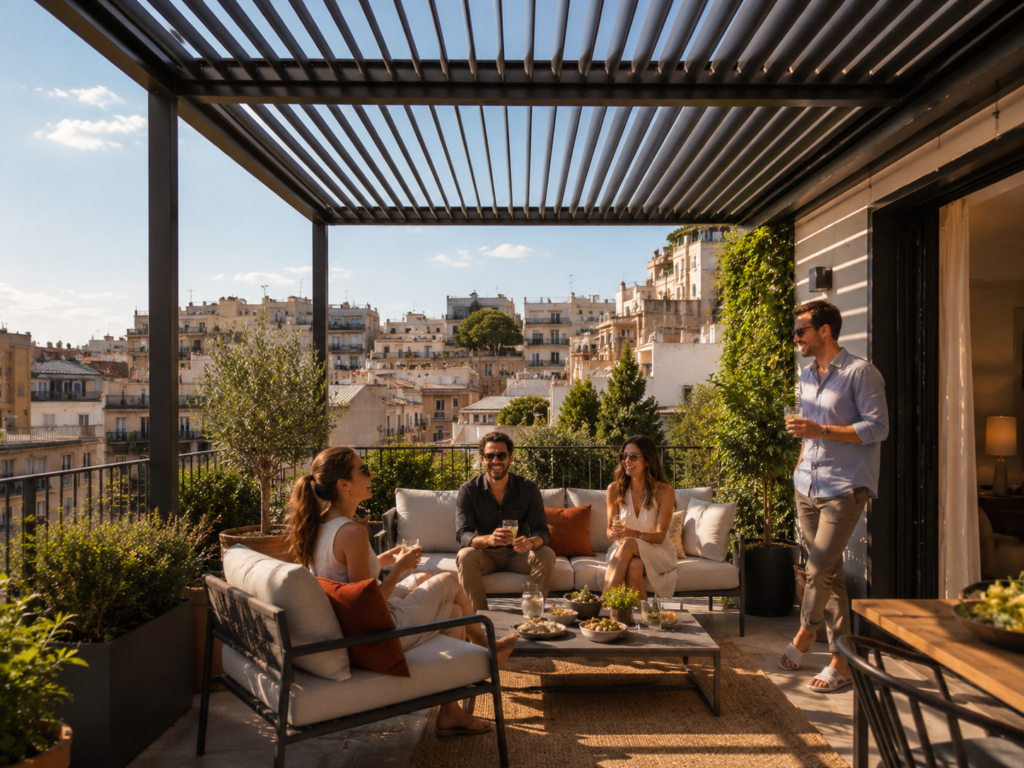
- In outdoor living, shading is not simply a matter of comfort; it is a design element that defines how the space is experienced. It filters sunlight, controls heat, protects surfaces from wear, and gives the outdoor area a sense of shelter without disconnecting it from the open air. With the right pergola, awning, or shading system, a balcony or yard becomes more than visually appealing — it becomes a place that can be used, enjoyed, and lived in throughout the day.
- In 2026, there is growing interest in pergolas with clean lines, metal or timber structures, adjustable shading systems, and solutions that can adapt according to the time of day, the position of the sun, and the needs of the residents.
Materials that stand the test of time — and the Greek summer
An outdoor space needs materials that are not only beautiful, but also durable. Sun, humidity, wind, dust, and everyday use put every construction element to the test.
For flooring, popular choices include anti-slip tiles, natural stone, decking, cement-based finishes, and modern surfaces that combine aesthetics with practicality. The final choice should be based on how the space will be used, its exposure to the sun, and the overall style of the residence.
The same applies to wall claddings, parapets, stairs, pergolas, and fixed architectural elements. A well-designed outdoor space should age gracefully and maintain its functionality for years to come.
Planting and natural elements: the return of calmness
Outdoor living is not only about furniture and construction. It is also about the feeling a space creates. Planting plays a defining role, adding freshness, privacy, colour, and a sense of natural balance.
In 2026, the trend is moving toward more natural, relaxed, and “living” outdoor spaces. A strictly designed garden is not always necessary. A balanced composition of plants suited to the Mediterranean climate, pots in different sizes, aromatic herbs, small trees, or vertical planting can be enough to bring the space to life.
Planting can also serve a practical purpose. It can create shade, limit visibility from neighbouring buildings, and improve the feeling of thermal comfort. In many cases, it is the detail that makes a space feel complete.
Lighting That Shapes the Mood
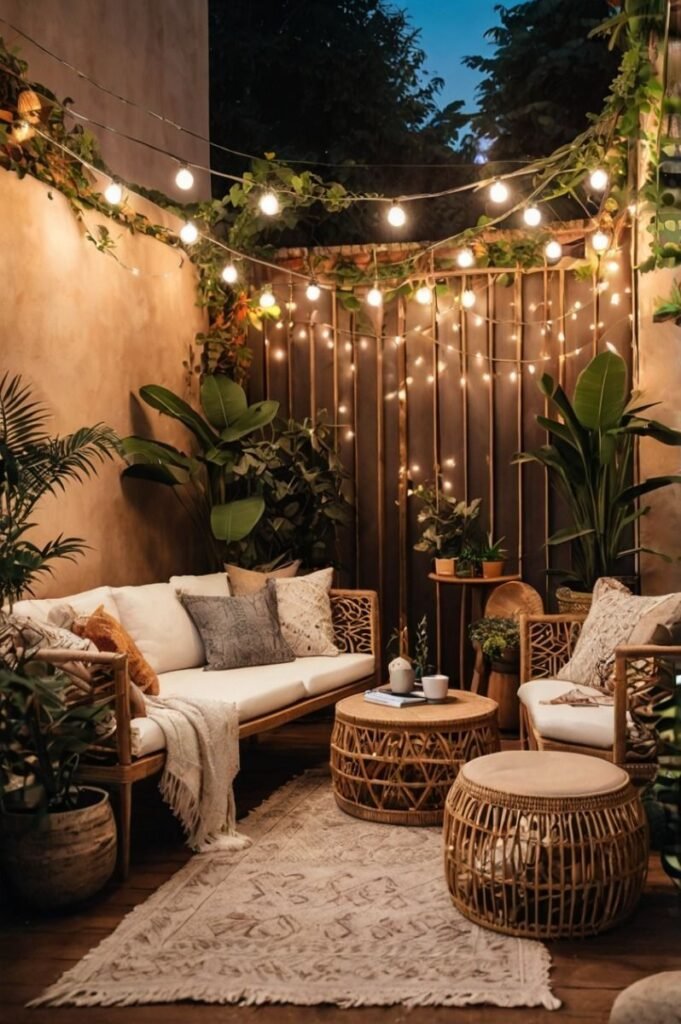
An outdoor space should not only come alive during the day. In summer, some of the most beautiful moments begin after sunset. This is why lighting is a key element of the design.
Good lighting does not simply mean placing one strong light on the wall. It means layers of light: soft lighting around seating areas, hidden lighting within planting, practical lighting along pathways, and a warm atmosphere around the dining table.
This way, the yard or balcony gains character. Most importantly, it becomes a space
that is used more often.
The outdoor kitchen and dining area
Another trend gaining ground is the creation of outdoor dining spaces. This does not necessarily mean a complete, high-cost outdoor kitchen. Even a well-organised area with a countertop, BBQ, sink, or storage elements can completely change the summer experience.
The ability to move dining outdoors immediately changes the rhythm of the home. A simple everyday meal can take on the feeling of a summer escape, while a gathering with friends becomes more relaxed, more open, and more effortless.
A Sense of Privacy, Without Losing the View
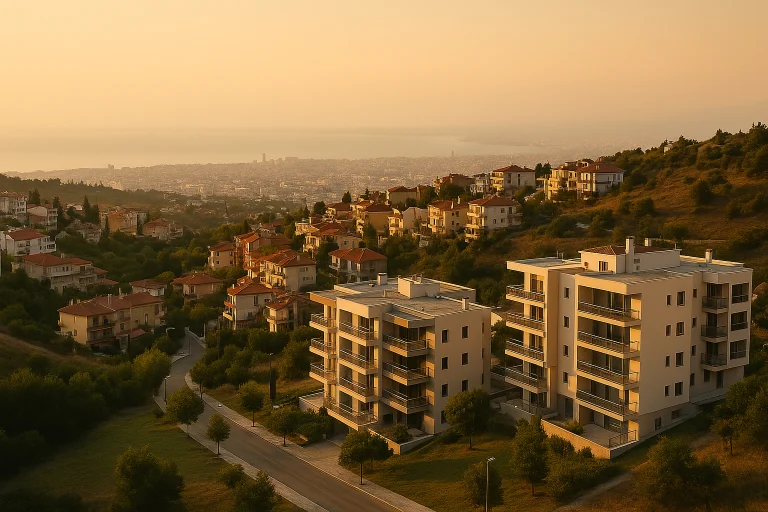
In urban areas, privacy is often a key requirement. Many balconies and yards are close to neighbouring homes or apartment buildings. This does not mean they cannot be used to their full potential.
With smart solutions such as partitions, planting, timber or metal structures, vertical elements, and the careful placement of seating areas, the space can be protected without feeling closed off. Success lies in balance: feeling comfortable and private, while still preserving light, air, and the sense of being outdoors.
A space that increases property value
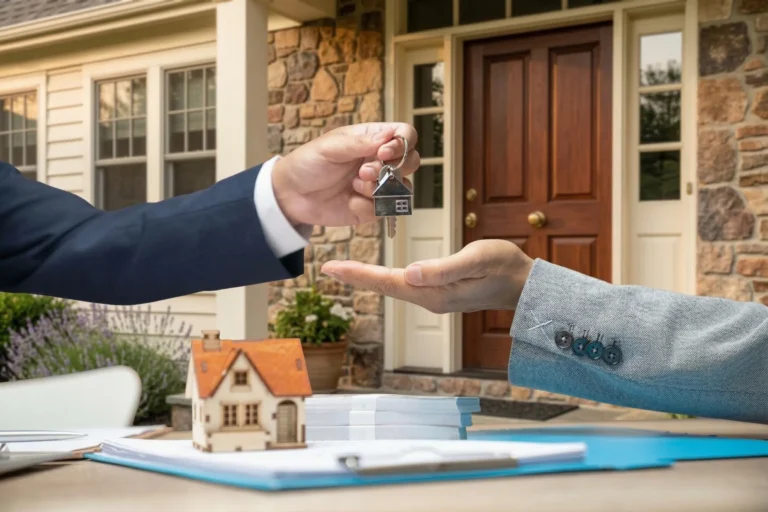
Investing in a well-designed outdoor area does more than improve everyday life. It can also increase the value of a property. A home with a functional balcony, a well-kept yard, or a thoughtfully designed garden immediately stands out.
For a potential buyer or tenant, the outdoor space is now a significant advantage. It is no longer seen as an “extra”, but as an essential part of the home. Especially after the growing need for greater comfort at home, spaces that offer relaxation and a connection with the outdoors have become even more valuable.
The Summer Living Room ’26: Smart, Natural, Effortless
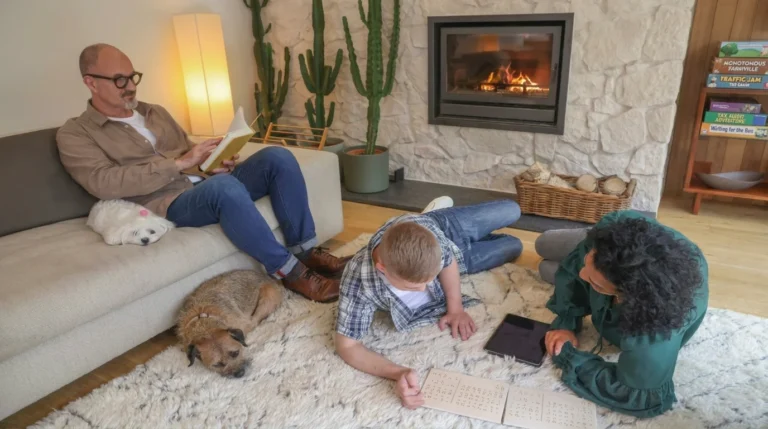
Outdoor living responds to a real need: to live better in and around our homes. In 2026, the yard and balcony are not simply decorative areas. They are living spaces.
With proper planning, durable materials, shading, lighting, planting, and a functional layout, every outdoor area can become a summer living room — a space that hosts moments, brings ease to everyday life, and makes the home feel complete.
Through the balcony, the yard, and the garden, the home gains a new sense of openness. These spaces invite light, movement, and spontaneity into everyday life, allowing summer to become part of the home’s own rhythm.
At Gotzamanis Constructions, we design and deliver homes that make the most of every square metre, both inside and outside the home.
From planning and construction to material selection and outdoor space design, we create solutions that combine aesthetics,
functionality, and long-lasting quality.