
In the construction industry, there is an absolute rule: time is money. Every day a project remains stagnant, costs rise, return on investment (ROI) is delayed, and trust among stakeholders is tested. Whether it’s building a new shopping center, a residential complex, or a major infrastructure project, delays are one of the biggest nightmares for project managers and investors.
The reality is that construction projects are highly complex ecosystems. Hundreds of people, machinery, and materials must be coordinated with absolute precision. However, even though the unexpected is part of our job, experience has shown that most delays are entirely predictable and, therefore, preventable.
In this article, we will analyze the most common causes of delays in construction projects and share proven strategies and best practices to ensure your next project is delivered on time and on budget.
The True Cost of a Delay
Before exploring solutions, it is crucial to understand why prevention is so critical. Delays do not simply push back the handover date on the calendar. They have a “domino” effect that impacts the entire project:
- Increased Construction Costs: Site overheads (equipment rental, insurance, management fees) continue to run.
- Material Inflation: During prolonged delays, initial supplier quotes may expire, leaving the project exposed to price hikes.
- Lost Revenue: For commercial or real estate projects, every month of delay means a month of lost rent or sales.
- Legal Complications: Liquidated damages can severely impact a contractor’s liquidity and lead to protracted legal disputes.
“The success of a construction project is not judged on the day the foundations are laid, but in the months of strategic planning that preceded it.”
The Most Common Causes of Delays and How to Tackle Them
1. Poor Pre-construction Planning
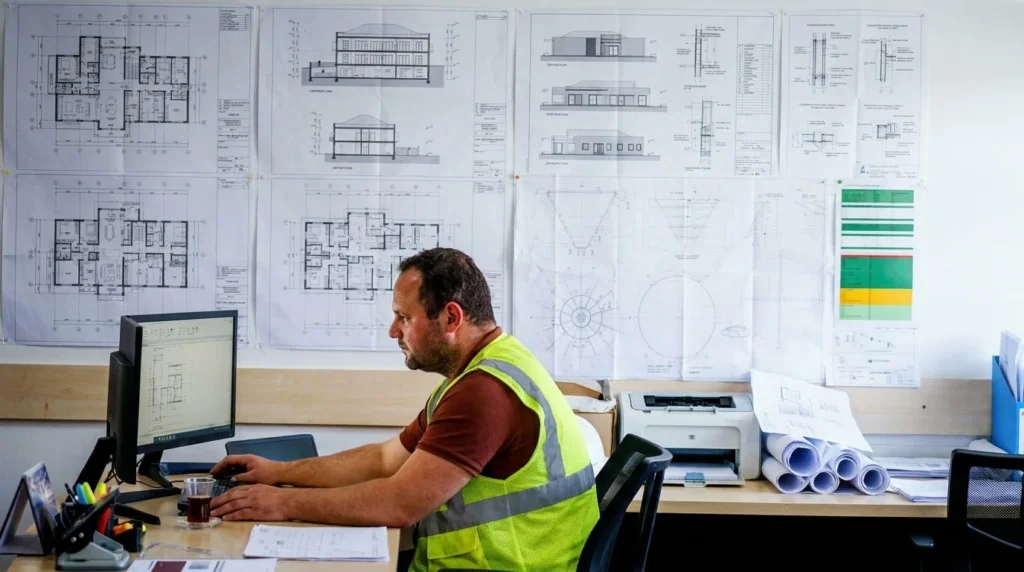
The rush to break ground is perhaps the biggest mistake. When architectural drawings, structural engineering, or MEP (Mechanical, Electrical, and Plumbing) installations are not fully harmonized, problems will arise during construction, requiring expensive and time-consuming fixes.
How to avoid it:
- Invest in the Pre-construction phase: The pre-construction phase must be exhaustive. Apply the 80/20 rule: dedicate 80% of the effort to planning to ensure smooth execution in 20% of the time.
- Clash Detection: Use 3D modeling software to identify, for example, if an air duct runs through a structural beam before the first concrete is even poured.
2. Scope Creep
The client suddenly decides to change the layout of the top floor or choose different, hard-to-find materials. Change Orders are inevitable, but when they happen uncontrollably, they shatter any schedule.
How to avoid it:
- Clear Contract: Define with absolute clarity what is included (and what is not included) in the original project scope.
- Strict Change Protocol: Establish a process where every change is immediately evaluated for its impact on time and cost, requiring official sign-off from the client before implementation.
- Design Freeze: Set a strict deadline after which no major design changes are accepted without significant financial and time penalties.
3. Supply Chain Disruptions
In recent years, the global construction industry has experienced unprecedented shortages of building materials. A delay in the arrival of specialized equipment, steel, or elevators can completely halt site progress.
How to avoid it:
- Early Ordering (Long-lead Items): Identify materials that require long delivery times (e.g., custom curtain walls, generators) and order them months before they are needed.
- Supplier Diversification: Do not rely on a single supplier for critical materials. Maintaining alternative options gives you flexibility.
- Local Market: Where feasible, opt for domestically produced materials to minimize the risks of international shipping and customs.
4. Issues with Subcontractors and Labor Shortages
The best Gantt chart is useless if the right crews aren’t there on the required day. The shortage of skilled tradespeople is a global phenomenon, while inconsistent subcontractors can cause chain reactions (e.g., painters cannot start if the drywallers haven’t finished).
How to avoid it:
- Strong Partnerships: Build long-term relationships with reliable subcontractors, based on respect and timely payments. Good tradespeople prioritize contractors who take care of them.
- Continuous Schedule Communication: Notify subcontractors weeks in advance of the exact date they need to be on-site.
- Performance Clauses: Incorporate clauses into contracts that reward on-time completion (incentives) or impose penalties for unjustified delays.
5. Unforeseen Subsurface Conditions and Weather Events
When excavation begins, archaeological finds, groundwater, or unstable subsoil that wasn’t anticipated may be revealed. Similarly, extreme weather conditions (heatwaves, frosts, storms) make safe outdoor work impossible.
How to avoid it:
- Thorough Geotechnical Studies: Never skimp on soil investigations. A detailed study will reveal what lies beneath the surface before the excavators move in.
- Weather Buffers: Incorporate “dead” days into the schedule based on the region’s historical meteorological data for that specific time of year.
- Work Flexibility: If it’s raining and concrete cannot be poured, have a backup plan of indoor work (or prefabrication in a covered area) ready to maintain productivity.
6. Poor Communication and Inadequate Supervision
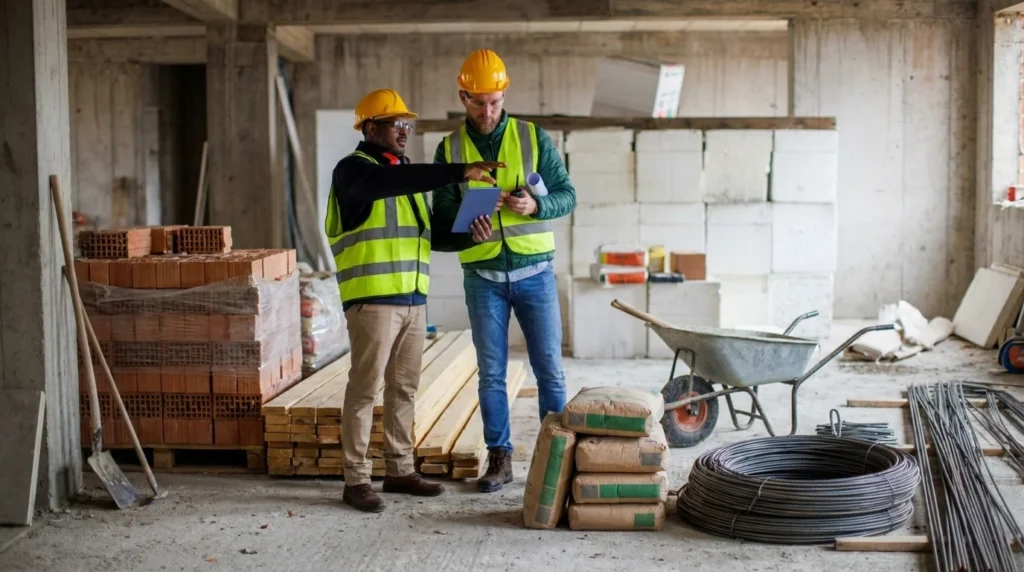
Construction projects collapse when people work in “silos.” When the architect, engineer, contractor, and owner do not communicate, mistakes multiply. An unanswered RFI (Request for Information) can halt work for days.
How to avoid it:
- Regular Site Meetings: Establish weekly coordination meetings with the heads of all crews.
- Clear Hierarchy: It must be absolutely clear who has the final authority to approve decisions on the spot.
- Central Communication Channel: Eliminate scattered emails and messages. Use a unified system where all issues, solutions, and approvals are recorded.
The Role of Technology in Preventing Delays
In the modern era, no serious construction company can rely solely on pen and paper. Technology is the most powerful ally against delays:
- BIM (Building Information Modeling): As mentioned, BIM is not just a 3D drawing, but a “smart” model. It allows for the virtual planning of construction (4D scheduling), helping engineers visualize the sequence of tasks and prevent potential bottlenecks before they occur in the physical world.
- Construction Management Software: Cloud-based platforms allow all parties to access the latest, updated plans from their tablets, submit RFIs instantly, and track budget progress in real-time.
- Drones and 360° Cameras: Using drones for topographical surveys and daily progress recording helps project managers spot delays visually and adjust the plan immediately, without having to walk every inch of the site.
Conclusion: The Value of Experience and Organization
Constructing a project, regardless of size, is a marathon full of hurdles. Delays rarely result from a single, catastrophic event. More often, they are the result of dozens of small, accumulated mistakes, omissions, and poor communication that could have been avoided.
To ensure your project is delivered on time, the secret is transitioning from reactive management (trying to put out fires when they start) to proactive management (anticipating where a problem might arise and planning a way out).
By choosing to partner with a construction company that possesses the expertise, modern technological infrastructure, and transparent communication, you minimize risks. Proper organization, detailed pre-construction planning, and dynamic management during the project are the keys that turn an ambitious architectural design into a successful, completed reality, exactly on the agreed-upon day.