
In the world of architecture and interior design, trends are rarely static. They swing like a pendulum, reacting to social needs and technological evolution. Today, in 2026, we are at a critical turning point: the clash – or rather the fusion – of two seemingly opposite worlds. On the one hand, Minimalism, which advocates purity and order, and on the other hand, Warmth, which seeks intimacy, texture, and a connection with nature.
1. The Evolution of Minimalism: From “Cold” to “Functional”
For decades, minimalism was synonymous with white surfaces, glossy floors, and spaces that looked more like art galleries than homes. This approach, although visually striking, was often criticized for its lack of personality and “coldness.”
In the modern era, minimalism has matured. It is no longer about the absence of objects, but the presence of the essential. “New Minimalism” focuses on functionality. Spaces are designed to reduce visual noise, offering tranquility in a world full of digital stimuli. The emphasis is placed on proportions, natural light, and the quality of construction materials.
2. The Need for Warmth: “Home-as-a-Sanctuary”
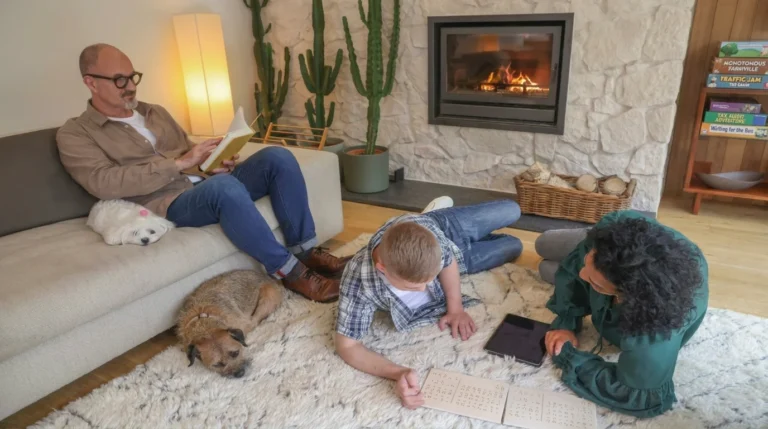
After a period of intense uncertainty and the shift towards remote work, the home ceased to be just a living space. It became a sanctuary. This shift brought the need for warmth to the forefront. This trend is not about “cluttering” the space with furniture, but about selecting elements that stimulate the senses.
Warmth in architecture is achieved through:
- Organic Materials: Wood in natural shades, stone with rough textures, and marbles with distinct “veins”.
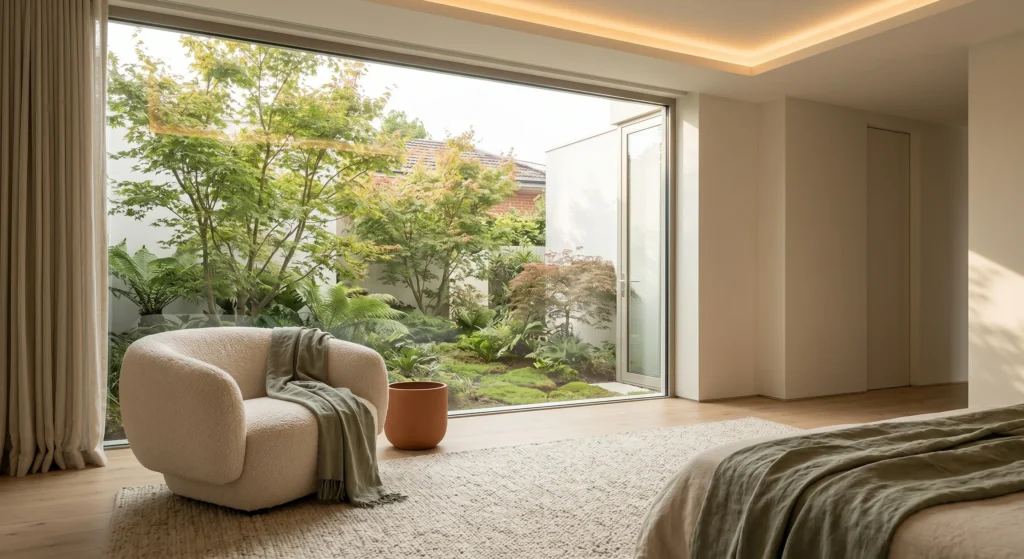
- Earthy Colors: The palette shifts from cold gray to beige, sand, terracotta, and sage green.
- Tactile Textures: Fabrics such as linen, wool, and bouclé add layers of comfort.
“The question for the modern homeowner is not ‘which of the two’, but ‘how do we find the golden ratio that suits our lifestyle’.”
3. Warm Minimalism: The Golden Ratio of 2026
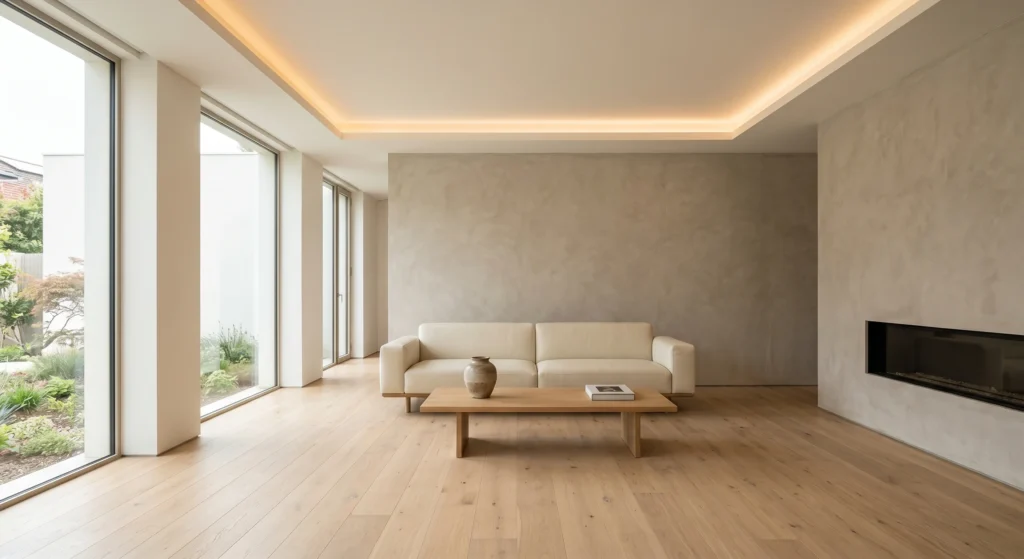
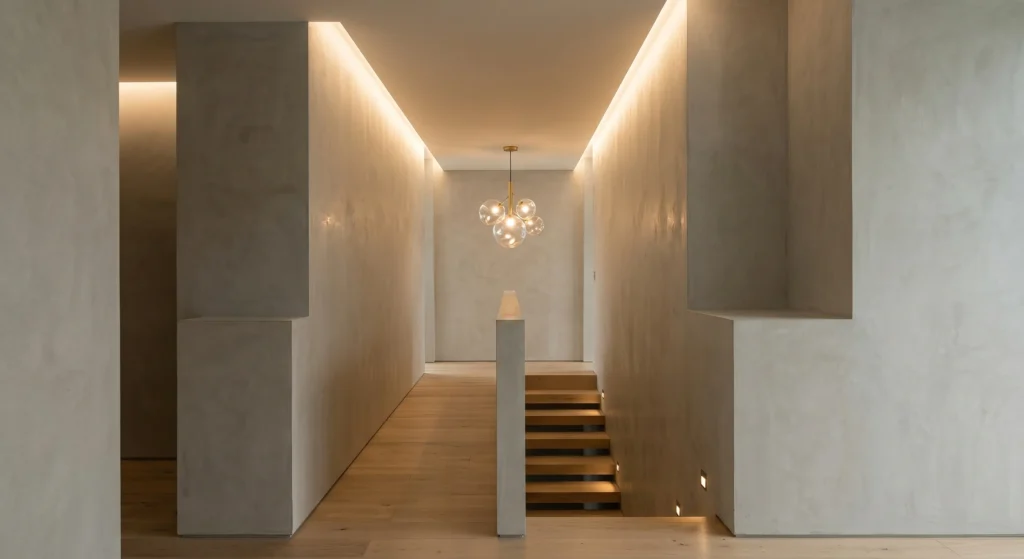
The most powerful trend this year is undoubtedly Warm Minimalism. It is a combination of minimalist structure with a warm atmosphere. Imagine a room with clean lines and sparse furnishings, where the floor is made of wide oak wood, the walls have a soft textured mortar finish, and the lighting is warm and indirect.
This trend borrows elements from the Scandinavian “Hygge” and the Japanese philosophy of “Wabi-Sabi”, which celebrates the beauty in imperfection and in natural materials that age gracefully.
4. Materials and Construction Solutions
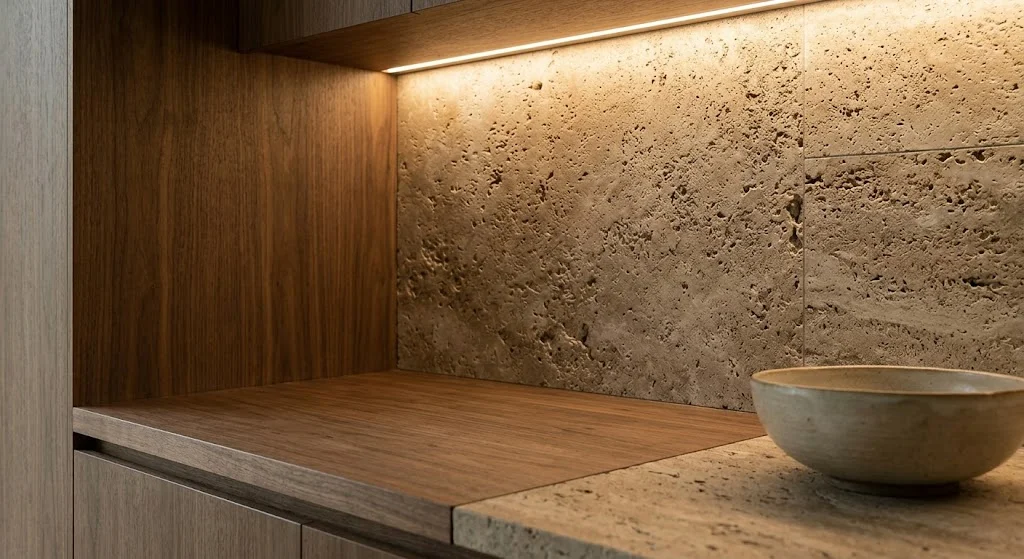
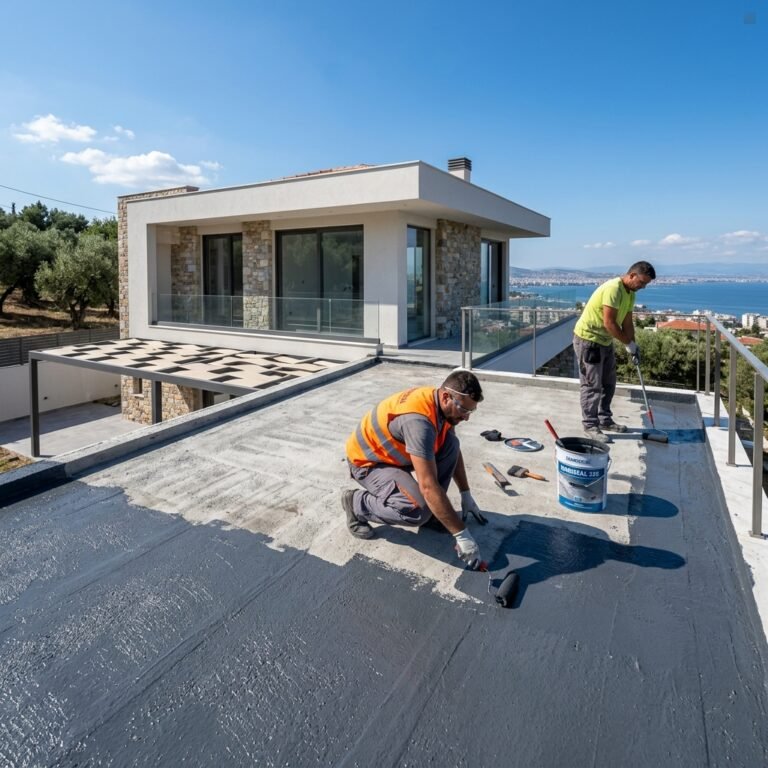
As a construction company, the challenge lies in implementing these trends in a way that guarantees durability over time. The choice of materials is key:
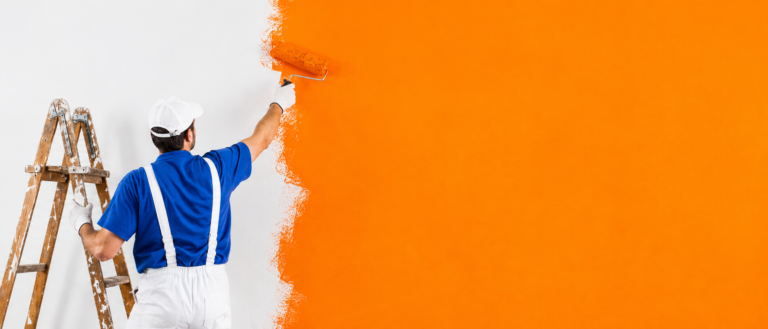
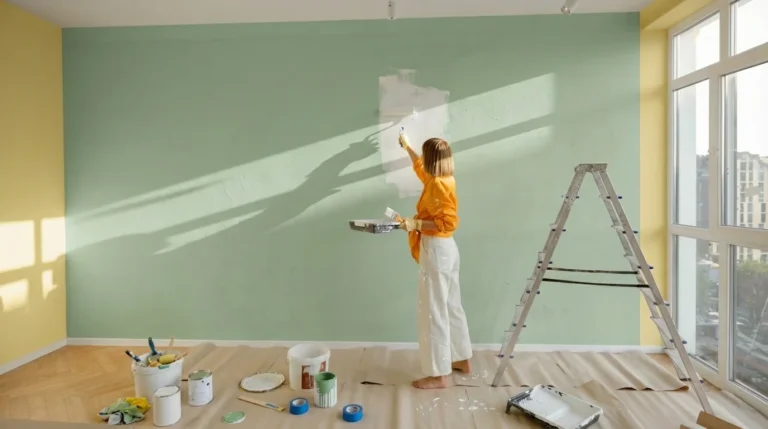
- Wall Claddings: Instead of simple plastic paint, we are seeing a shift towards textured finishes. Microcement in earthy tones or large-format ceramic tiles with a natural stone look create a backdrop that is simultaneously minimal and warm.
- Floors: Wood remains the king of warmth. However, for those who prefer the austerity of concrete, new polished concrete techniques with integrated underfloor heating offer “warmth” not only visually but also practically.
5. Lighting as an Architectural Tool
Lighting is what determines whether a space will look cold or welcoming. In minimalism, lighting is often “invisible” – hidden LED strips in ceiling recesses. To add warmth, we introduce “focal points” with lighting fixtures made of natural materials, such as brass or handcrafted glass, which also function as works of art.
6. Sustainability: The Common Denominator
Both minimalism and the shift towards warmth converge on one point: sustainability. Minimalism promotes the idea of “buy less, choose better,” while the use of natural materials reduces the environmental footprint of the building. The use of recycled materials and energy upgrades through proper insulation are now an integral part of every new construction.
Conclusion: Your Choice
At Gkotzamanis Constructions, we believe that architecture must serve people. Whether you lean towards the absolute order of minimalism or desire the warm embrace of an “organic” home, our team is here to turn your vision into reality.
The 2026 trend does not force us to pick sides. It invites us to create spaces that are both “clean” for the mind and “warm” for the soul.