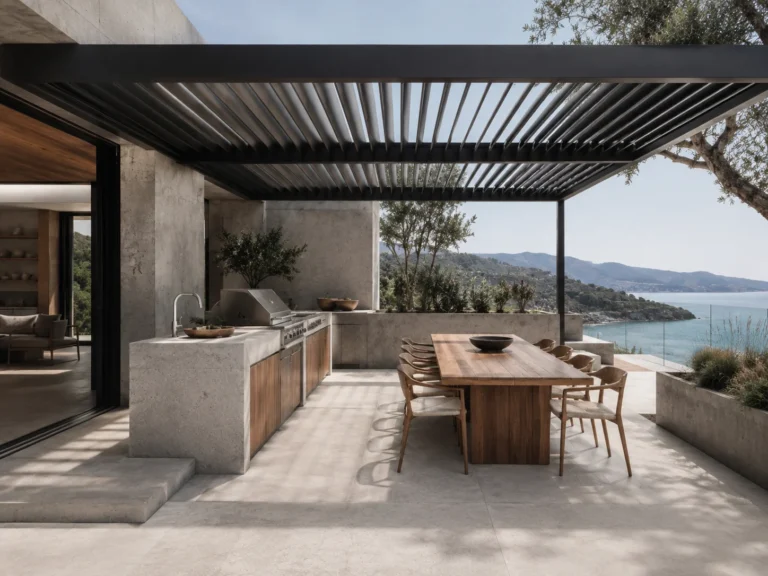

Home waterproofing is perhaps the most underestimated — yet crucial — task in any construction or renovation project. Although its benefits may not be visible at first, proper waterproofing protects your home from moisture damage, material deterioration, and costly future repairs. This guide covers what you need to know to protect your property correctly from the very beginning.
In this article, we will examine what waterproofing actually is, why it is so important, which materials and techniques are used today, and which areas of the house require particular attention. Our goal is to give you a complete overview, so you can make the right decisions — whether it concerns a newly built home or an existing one.
What Is Waterproofing and Why Is It an Investment?
Waterproofing is the combination of techniques and materials that prevent water — whether rainwater or groundwater — from penetrating the structural elements of a building. Concrete, although it appears solid, is a porous material: without proper protection, it absorbs water like a sponge.
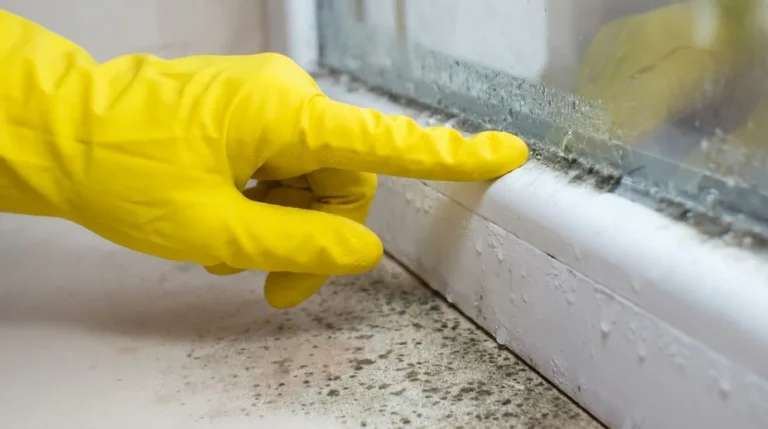
The consequences extend far beyond the aesthetic aspect. Long-term moisture damages the reinforcement of concrete, reduces the effectiveness of thermal insulation, creates conditions for mold growth that can harm health, and significantly lowers the value of the property. Through a complete and professional waterproofing application, you ensure the maximum longevity of the structural frame and maintain a completely safe and healthy environment for those living in the house.
The Critical Areas That Require Attention
Not every part of the house needs the same treatment. However, there are certain areas that are particularly vulnerable to moisture and require increased attention during the construction or renovation phase.
Roof Terrace and Flat Roof
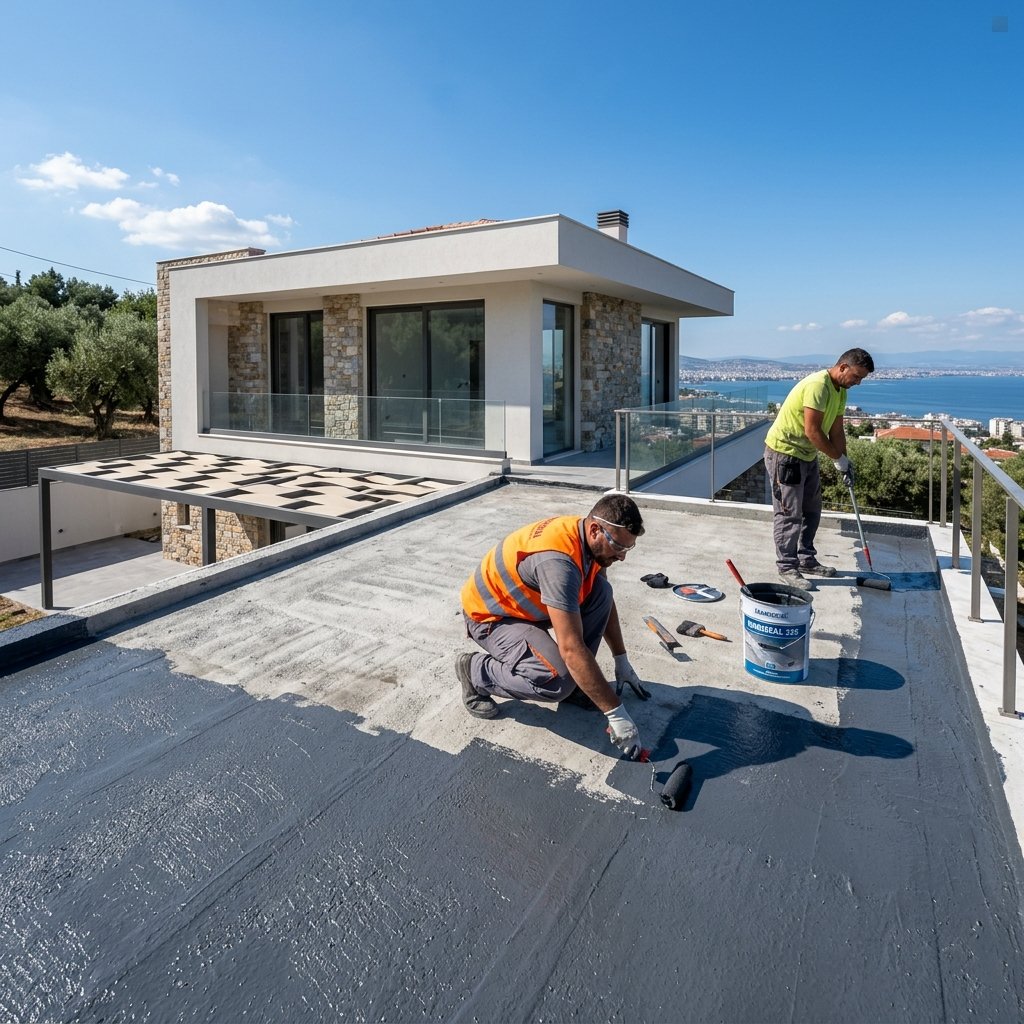
The roof terrace is the part of the house most exposed to rain, snow, solar radiation, and temperature fluctuations. Cracks in the concrete slab or deteriorated waterproofing layers can lead to leaks, which often appear as moisture stains on the ceilings of the floors below. Proper roof waterproofing involves the use of bituminous or polyurethane membranes, adequate drainage slopes, and careful sealing of joints around critical points, such as parapets, upstands, and roof penetrations.
Basement and Foundation
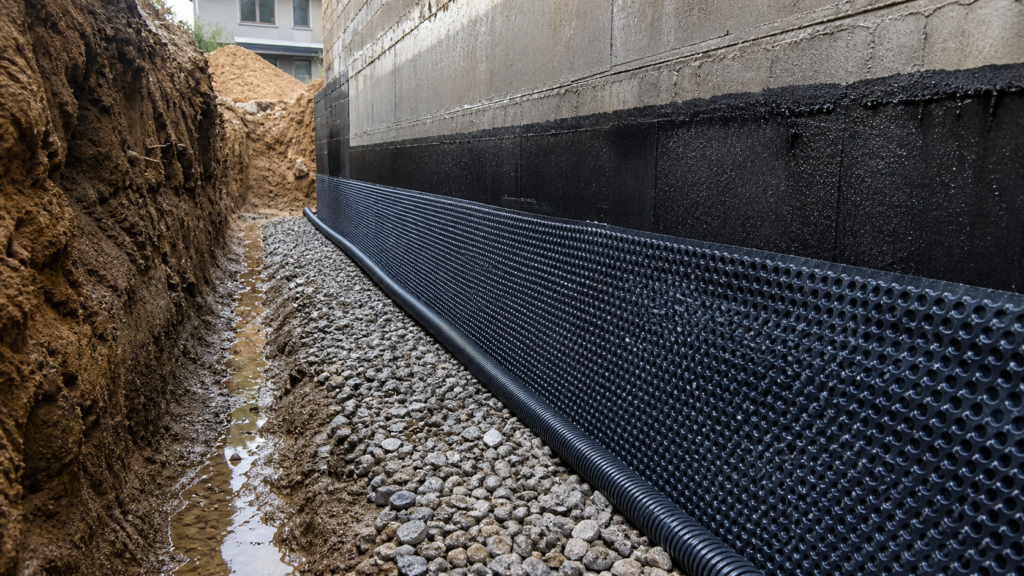
The basement is in constant contact with groundwater and moisture. Without perimeter waterproofing, water penetrates through the foundation walls and turns the basement into a moisture trap. The most effective systems include bonded bituminous membranes, dimpled drainage membranes, and drainage pipes at the base of the foundation.
Bathrooms, Kitchen, and Wet Areas
In every area with a water supply, such as the bathroom, kitchen, and similar spaces, waterproofing beneath the tiles is essential. Special elastic brush-applied waterproofing materials, such as cement-based or polyurethane systems, are applied to the floor, the shower walls, and around the plumbing. Omitting this step is one of the most common causes of leaks in apartment buildings.
Balconies and Exterior Walls
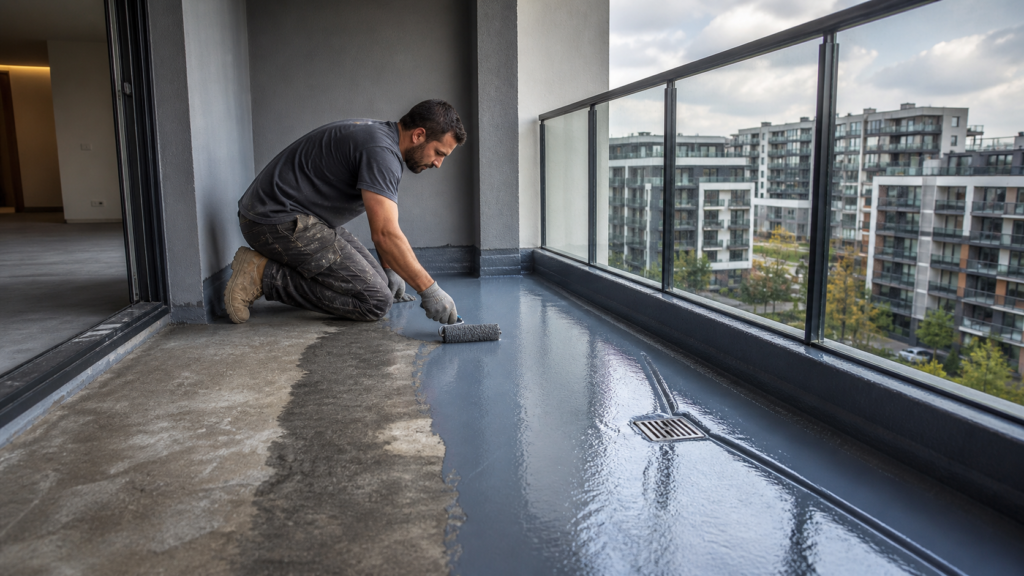
Balconies, especially open ones, face similar problems to roof terraces — but on a smaller scale. Applying an elastic waterproofing material beneath the tiles and ensuring the correct slope toward the drain outlets eliminate leaks to the floors below. On exterior walls, special waterproofing paints, such as silicone-based or acrylic products, create an invisible barrier that allows the wall to “breathe” while preventing water from entering.
Waterproofing Materials and Techniques
The market offers many waterproofing material options. The choice depends on the application area, the degree of water exposure, and the budget. Below are the most popular categories:
- Bituminous membranes (APP / SBS): The classic solution for roof terraces and basements. They are applied by torch or through self-adhesion. SBS membranes are more elastic and withstand thermal expansion more effectively.
- Polyurethane waterproofing materials: Liquid materials applied with a roller or spray gun. They form a continuous elastic layer without joints — ideal for areas with complex geometry.
- Elastic cementitious waterproofing materials: Two-component systems consisting of powder and liquid. Ideal for bathrooms and kitchens, beneath tiles. Easy to apply, with excellent adhesion to concrete.
- HDPE membranes / dimpled membranes: Used in foundations for drainage and mechanical protection of the main membrane.
- Acrylic / silicone waterproofing materials: Used for exterior surfaces and walls. They create a water-repellent surface that allows water vapor to escape.
- Crystalline waterproofing materials: A newer technology that penetrates the pores of concrete and seals them permanently. Particularly effective in tanks and basements.
Each technique has advantages and limitations. The right combination of materials — and adherence to the application instructions — is what makes the difference between waterproofing that lasts for decades and waterproofing that fails within a few years.
Common Waterproofing Mistakes
Many moisture-related problems are not caused by poor materials, but by mistakes during application process. The most common mistakes include:
- Application on a damp or dirty surface: Adhesion fails if the surface is not clean and dry.
- Insufficient layer thickness: If the waterproofing material is applied too thinly, it loses its functionality. Always check the manufacturer’s specifications.
- Omitting the second layer: Most systems require two or three layers, with drying time between applications.
- Ignoring joints and corners: The points where two surfaces meet, such as floor-to-wall connections, are the most vulnerable. They require special reinforcing tapes.
- Time pressure: Rushing on site often leads to application over concrete that has not fully cured or without the proper primer.
Avoiding these mistakes does not require highly specialized knowledge — only adherence to proper practices and assignment of the work to an experienced crew. Poor waterproofing can cost many times more than proper waterproofing, once future repairs are taken into account.
When to Address Waterproofing Problems
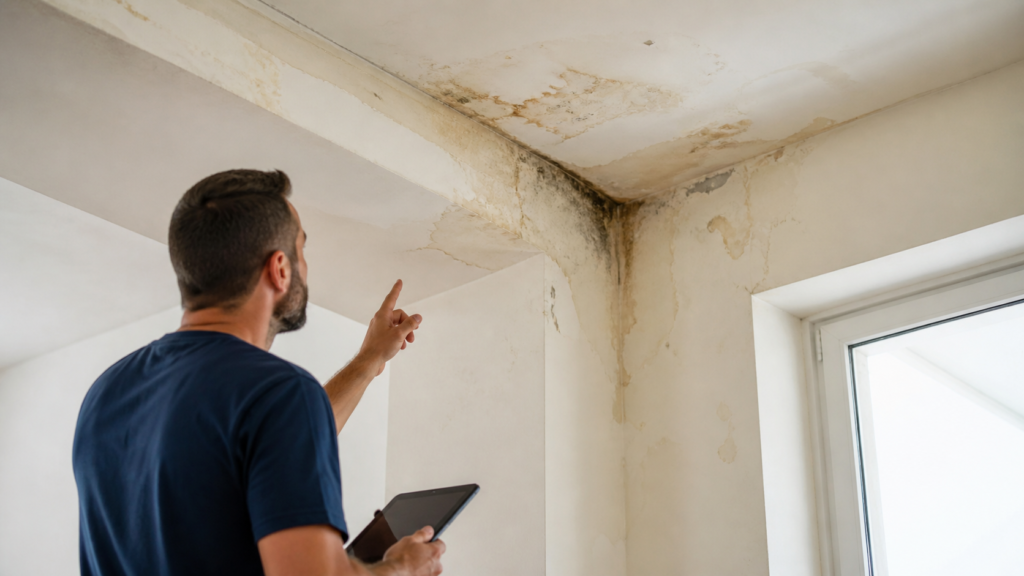
You do not have to wait until moisture stains appear on the ceiling to address a waterproofing problem. In many cases, a building gives early warning signs that the waterproofing system may need repair, reinforcement, or complete renewal. These signs may include:
- Moisture stains or discoloration on walls and ceilings, especially after rainfall.
- A persistent musty smell or the appearance of black mold spots in corners.
- Peeling paint, swollen plaster, or detached tiles, particularly in bathrooms and kitchens.
- Visible water ingress or dripping in the basement during or after heavy rain.
- Cracks on the roof terrace, standing water, or a visibly worn waterproofing membrane.
In newly built properties, waterproofing should be carried out during the construction phase, as this allows the building to be protected correctly from the very beginning. This is one of the major advantages of a new home. In older buildings, waterproofing can still be applied at a later stage, but a proper inspection and technical assessment are necessary before any work begins.
Waterproofing Cost: What to Expect
The cost mainly depends on the surface area, the type of material, the condition of the substrate, and the difficulty of access. Indicatively:
- Roof terrace — bituminous membrane: €15–30/m², including materials and labor.
- Roof terrace — polyurethane system: €20–40/m², depending on thickness.
- Bathroom — cementitious system: €8–15/m² — one of the most affordable interventions.
- Basement — complete system: €25–50/m², due to excavation and drainage requirements.
These prices are indicative and may vary depending on the location, the condition of the property, and the specific requirements of each project. The main takeaway is simple: preventing moisture problems is always more cost-effective than repairing the damage they cause. Waterproofing a roof terrace, for example, costs only a small part of what you might later spend on replacing damaged ceilings, plasterboard, and electrical installations.
Conclusion
Home waterproofing is not just another “hidden” construction cost — it is the foundation on which the longevity and overall health of the entire building depend. Whether you are building from scratch or renovating, proper waterproofing of the roof terrace, basement, bathroom, and balcony can save you thousands of euros in future repairs. Choose reliable materials, follow the correct application practices, and — most importantly — trust experienced professionals.
If you need guidance on such a project, an experienced construction company such as Gkotzamanis Constructions can help you get it right from the very beginning.