
May is the month when the house begins to change its rhythm. Windows stay open for longer, natural light reveals details that often go unnoticed during winter, and the preparation for summer gradually begins. For many homeowners, this is the ideal time for maintenance and renewal projects. House painting is often at the top of the list. Proper painting is a complete home-care process. It improves the appearance of a property, protects surfaces, and helps preserve the value of the home.
Especially before the summer months, proper planning plays an important role. Heat, humidity, strong sunlight, and the frequent use of outdoor areas affect the home every day.
Why May Is a Good Time to Paint Your House
Professionals often recommend the period before summer for painting projects. Temperatures are usually more stable than in winter. Rooms can be ventilated more easily, and surfaces dry more evenly. This supports better application quality and increases the durability of the final result.
May also gives homeowners enough time to complete the work before the intense summer heat arrives. In very high temperatures, paint may dry too quickly on the surface. When this happens, the paint does not have enough time to bond properly with the surface underneath.
This can leave the paint with uneven areas, roller marks, or poor adhesion. Therefore, the ideal time to paint indoors or outdoors is just before peak summer.
The Importance of Proper Surface Preparation
Surface preparation largely determines the final result. Even the highest-quality paints cannot perform properly on walls with dust, moisture, cracks, peeling paint, or old damage.
Before the work begins, a professional checks the condition of the surfaces. They identify small cracks, nail holes, blisters, and areas where old paint is peeling. Then, they clean, fill, and sand the surfaces where necessary. This creates a stable and smooth base for the paint.
Particularly, areas affected by moisture require special attention. Simply covering a stain with paint does not solve the problem. If the cause of the moisture is not treated, the issue may return soon. Blistering, mold, or paint peeling can then appear again.
Primer: The Essential Base for a Long-Lasting Result
Applying primer is one of the most important stages of proper house painting. Primer is not just an additional material. It creates the base that the final paint coat needs in order to perform correctly.
With the right primer, paint adheres better to the surface. The finish becomes more uniform, and the final result lasts longer. Primer is especially important on new plaster, filled areas, or highly absorbent walls. It is also essential when changing from a strong color to a lighter shade.
Primer helps the paint cover more effectively. It also reduces paint consumption and limits the risk of patchy areas or differences in texture. For exterior walls, professionals pay even more attention to proper priming. After all, sunlight, humidity, dust, and temperature changes put daily stress on exterior surfaces.
Choosing the Right Paint for Each Space
Choosing paint is not only an aesthetic decision. Every space has different needs and requires the right type of paint.
Interior areas used daily, such as living rooms and bedrooms, benefit greatly from high-quality emulsion paints that provide an even, well-covered finish. Children’s rooms, kitchens, and spaces that easily attract dirt call for washable, highly durable paints.
Humid environments like bathrooms and WCs need the added defense of special anti-mold paints. Exterior surfaces, meanwhile, demand formulas specifically designed to withstand sunlight, rain, moisture, and air pollution.
By choosing the right product, you ensure a better visual result and a longer-lasting finish.

Exterior Painting Before Summer
Exterior house painting is a critical investment. A building’s façade is relentlessly exposed to the elements, with sun, rain, humidity, dust, and temperature fluctuations gradually degrading wall surfaces over time.
Tackling exterior painting before summer provides both a visual refresh and essential structural protection. A properly applied coat shields the plaster, minimizes moisture penetration, and elevates the property’s overall curb appeal.
To ensure longevity, experts utilize UV-resistant paints in sun-drenched regions to prevent fading. Similarly, the airborne salt in coastal environments places extra stress on exteriors, necessitating specialized, high-durability materials designed for these demanding conditions.
The Importance of Professional Application
Although painting may seem like a simple task, in practice it requires experience, proper technique, and knowledge of materials. A professional applies the paint in a way that ensures clean lines, even coverage, and greater durability.
In addition, they assess the condition of the surfaces before starting. They recommend the right materials and choose the appropriate application method for each space.
This is especially important in older homes, on moisture-damaged surfaces, on exterior façades, and in areas with specific technical requirements. Professional painting does not only provide a better appearance. It also offers durability, safety, and better management of time and cost.
Common Mistakes in House Painting
One of the most common mistakes is applying paint without proper preparation. When cleaning, sanding, or filling is skipped, the quality of the result is significantly reduced.
Another common mistake is choosing the wrong type of paint for the space. A simple interior paint will not perform properly on an exterior surface. Likewise, a standard paint will not meet the needs of areas with high humidity. Many people also skip primer in an effort to save time or money. In reality, this choice can increase paint consumption and reduce the lifespan of the finish.
Finally, some people paint exterior surfaces at unsuitable times of day. When the sun is too strong, it negatively affects both application and drying.
How to Prepare Your Home Before Painting
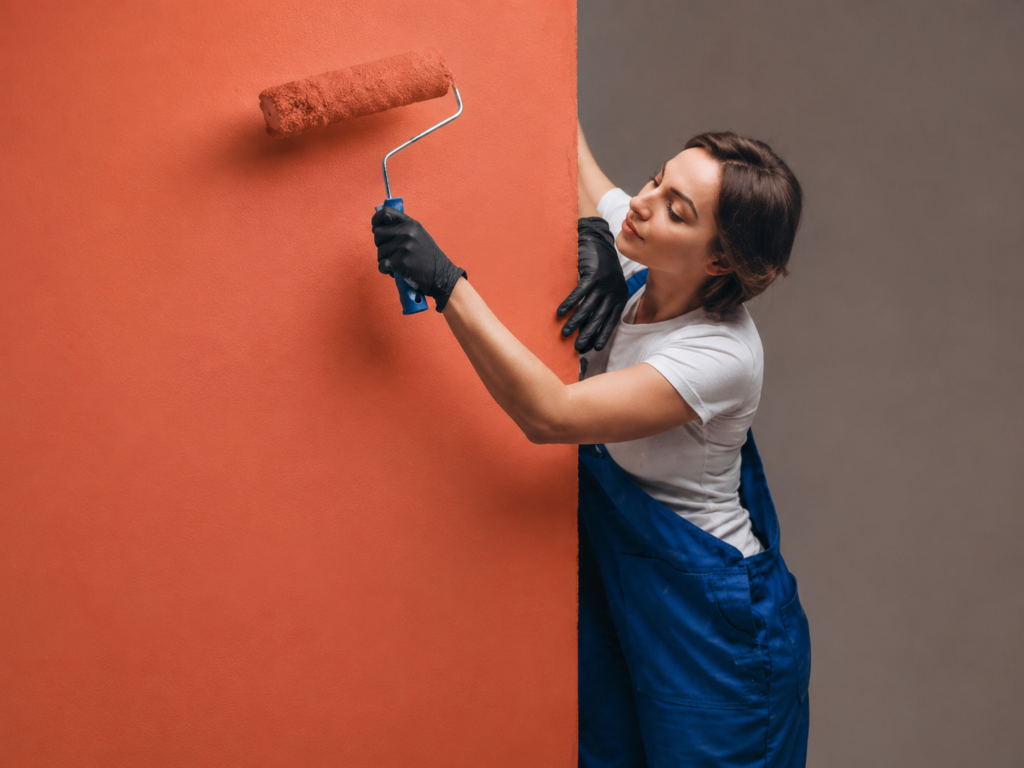
Before the work begins, organize the space properly. Move or cover the furniture, protect the floors, and remove decorative items.
Undoubtedly, proper protection reduces the risk of stains and makes the process cleaner and faster.
For outdoor areas, check balconies, railings, window frames, and any points that may need additional work. This way, painting becomes part of a more complete home maintenance plan.
A House Ready for Summer
Overall, house painting before summer offers meaningful renewal and protection. May provides ideal conditions for planning, proper ventilation, and better application of materials. This allows the work to be completed before high temperatures make the process more demanding.
With proper preparation, suitable materials, and professional application, the result is aesthetically pleasing, durable, and functional.
A properly painted home does not simply look more beautiful. It is better protected, more pleasant to live in, and ready to welcome the new season in the best possible way.