
Moisture is perhaps the most insidious and “silent” enemy of a building. It seeps in quietly, develops gradually, and by the time it makes its appearance, the damage has already begun. It is not just an aesthetic issue that ruins the look of your walls; it is a condition that can drastically degrade the structural integrity and value of your property, while simultaneously posing serious health risks to the occupants, causing allergies and respiratory problems.
As construction industry professionals, we encounter the consequences of inadequate damp protection on a daily basis. In this article, we will break down the types of moisture, the warning signs you should look out for, and the steps—both daily habits and construction solutions—that will shield your home once and for all.
Understanding the Enemy: The 3 Basic Types of Moisture
To tackle the problem, we must first understand its source. Dampness in buildings is mainly divided into three categories:
- Condensation: This is the most common form, especially during the winter. It is caused when warm indoor air, which is full of water vapor (from cooking, bathing, breathing), comes into contact with cold surfaces, such as windows or uninsulated walls (known as “thermal bridges”). There, the water vapor liquefies, creating water droplets and, eventually, the familiar black mold.
- Penetrating Damp: This occurs when rainwater penetrates the external envelope of the building and reaches the interior spaces. This usually happens due to cracks in the walls, damaged roof tiles, deteriorated roof waterproofing, or issues with the gutters.
- Rising Damp: This is moisture absorbed from the ground that travels up through the pores of building materials (bricks, concrete), defying gravity through the phenomenon of capillary action. It typically appears on the ground floors and basements, at the lower parts of the walls (up to 1-1.5 meters high).
The Warning Signs
Your home “speaks” to you. It is vital to learn how to recognize the early signs of dampness before the problem escalates:
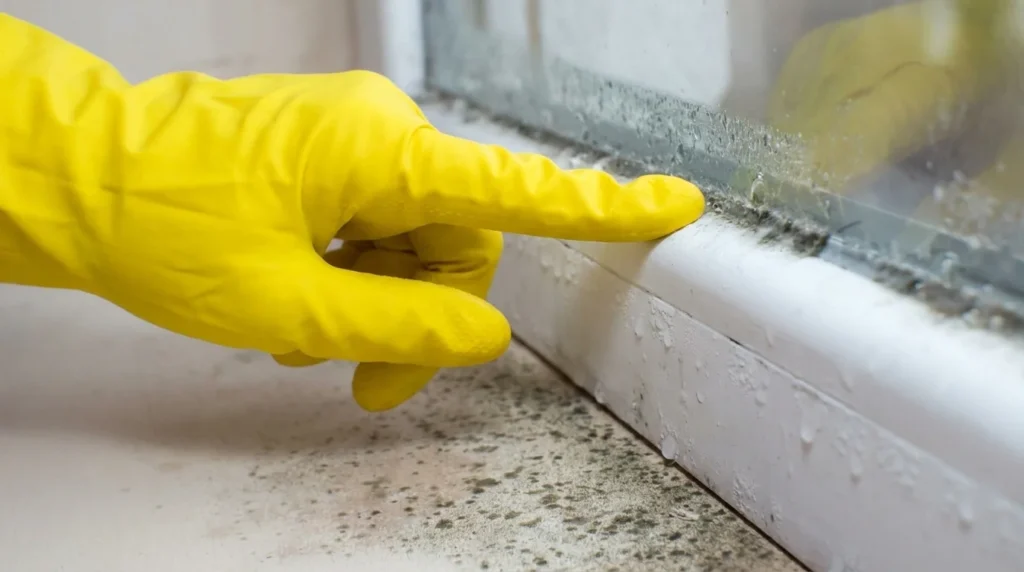
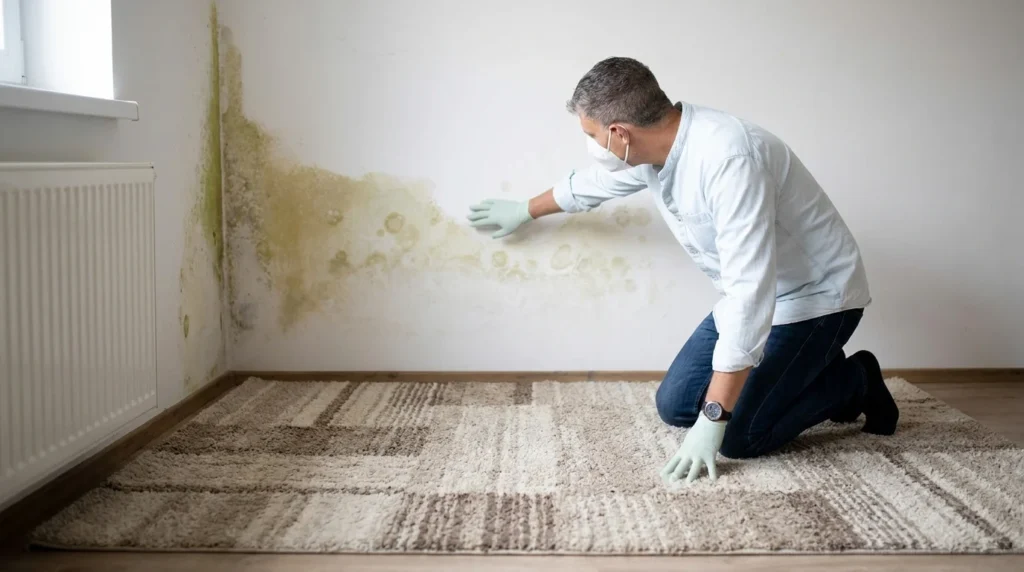
- Mold Spots: Black, green, or brown patches in corners, on ceilings, around windows, and behind furniture.
- Peeling and Bubbling Paint: If the paint or plaster starts to bubble, crack, and fall off, there is definitely trapped moisture behind it.
- Characteristic Smell: The familiar “musty” or damp earth smell is often the first sign, even if you cannot visually spot anything wrong.
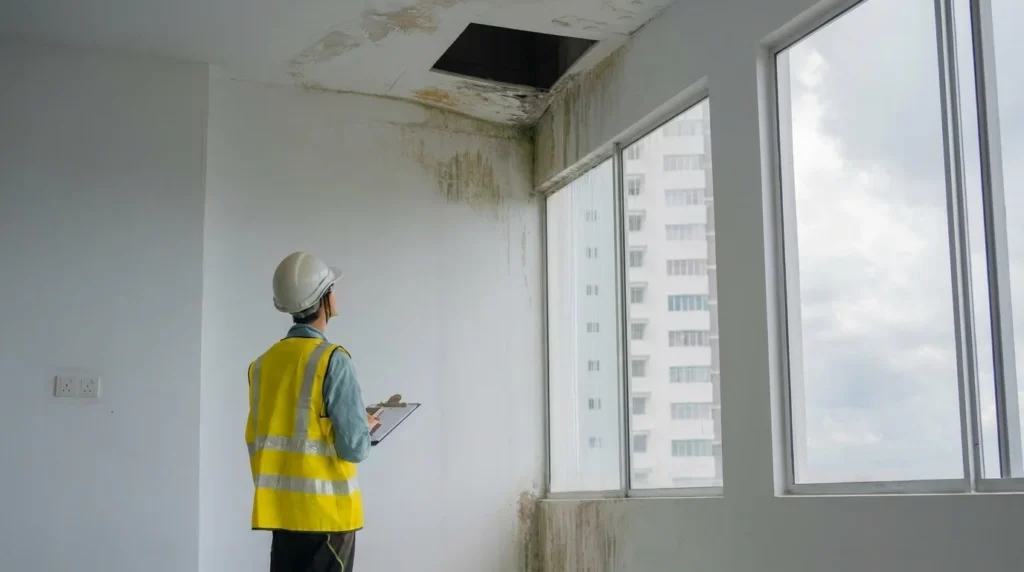
- Water Marks and Stains: Yellowish or brown stains on the ceiling (usually from leaks or roof problems).
- Fogged Windows: Excessive condensation on windows every morning is a classic symptom of poor ventilation and inadequate insulation.
1st Level of Defense: Daily Habits and Prevention
Before we move on to structural solutions, there are simple, daily practices that can drastically reduce the production of water vapor inside the house:
- Proper Ventilation: This is absolutely essential. Open the windows for 10-15 minutes every day, ideally creating a cross-breeze, even on cold winter days. Fresh, cold air heats up much faster than damp, stale air.
- Use Extractor Fans: When cooking, the extractor hood should always be on. Similarly, after a hot shower, let the bathroom extractor fan run or open the bathroom window to let the steam escape, keeping the door to the rest of the house closed.
- Furniture and Walls: Leave a gap of 5-10 centimeters between heavy furniture (wardrobes, sofas) and exterior walls. This allows air to circulate and prevents mold from forming behind them.
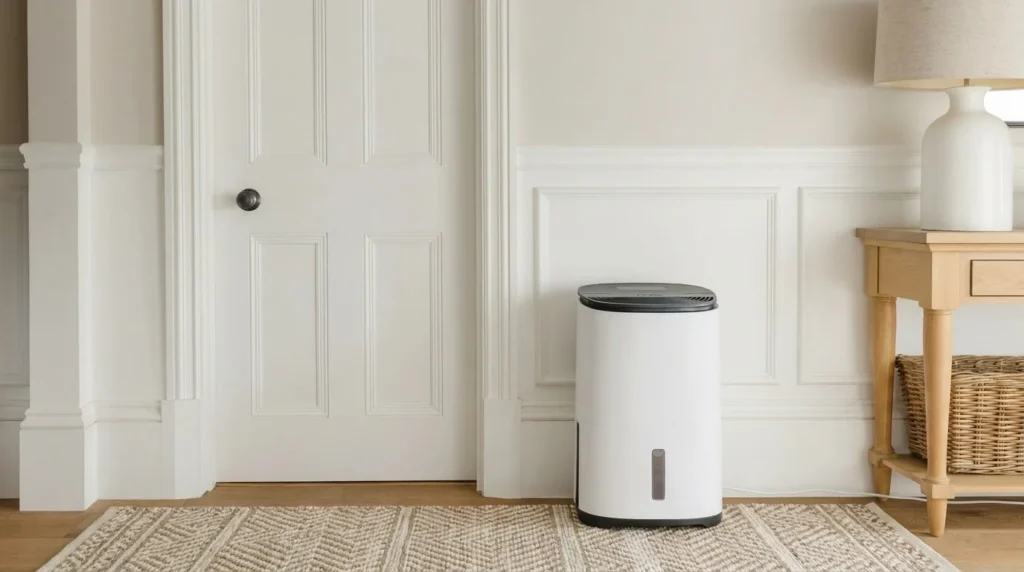
- Care with Drying Clothes: Drying clothes indoors (especially on radiators) releases massive amounts of water into the air. If you absolutely must dry clothes inside, do it in a room with an open window and a closed door, or invest in a dehumidifier.
2nd Level of Defense: Definitive Construction Solutions
While daily habits help, they cannot solve structural problems or lack of insulation. This is where modern construction technology steps in. If you want to truly and permanently protect your property, the following interventions are the way to go:
1. External Thermal Insulation System (ETICS)
Condensation is primarily caused by cold exterior walls. The solution is the installation of an external thermal insulation system. By wrapping the building externally with insulating materials (such as expanded polystyrene or stone wool), the house gets a protective “coat.” Thermal bridges are eliminated, the interior walls stay warm, and the condensation phenomenon disappears for good. Additionally, you gain massive energy savings on heating and cooling.
2. Proper Roof Waterproofing
The roof is the most exposed part of the building to weather conditions. Cracked or old insulation allows standing water to seep into the concrete slab, damaging its reinforcement and causing leaks in your ceiling. The application of modern waterproofing systems (such as brushable polyurethane materials, new-generation bituminous membranes, or PVC/TPO membranes) ensures the roof becomes completely watertight.
3. Treating Rising Damp
For ground-floor homes or basements with rising damp issues, simply painting the walls is a waste of time and money. The structural solution involves injecting special waterproofing resins into the base of the masonry to create a damp-proof course (DPC) that blocks water from rising. Alternatively or additionally, the application of special dehumidifying and waterproofing plasters that allow the wall to “breathe” without retaining salts is required.
4. Basement Insulation and Drainage Systems
In basements, groundwater exerts hydrostatic pressure on the walls. Proper exterior basement waterproofing (using bituminous membranes and drainage panels) combined with a perimeter drainage system (French drains) is the only recommended method to keep the space dry.
5. Energy-Efficient Windows and Sealing
Old windows not only lose heat but often allow rainwater to seep in. Replacing them with modern energy-efficient aluminum or PVC frames, featuring double or triple glazing and perimeter sealing mechanisms, ensures absolute watertightness. A word of caution, though: completely airtight windows require even more frequent and proper ventilation of the space!
6. Maintenance of Exterior Surfaces and Gutters
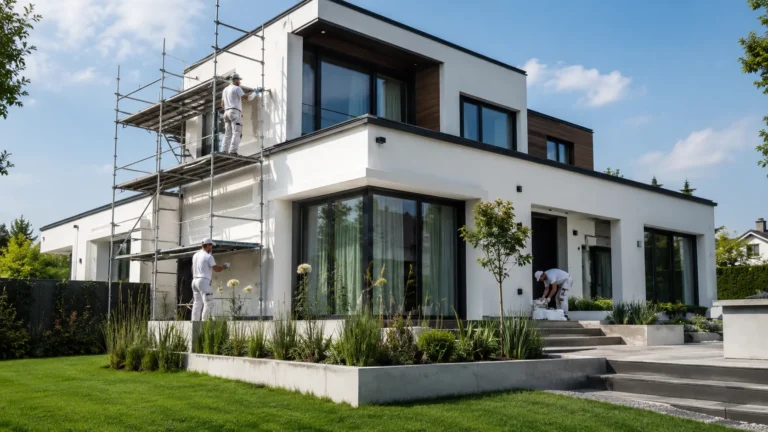
Regular inspection is crucial. Clearing gutters of leaves and debris prevents water from overflowing onto the walls. At the same time, sealing cracks in the exterior masonry and painting the building with high-quality elastomeric, waterproof, and acrylic paints creates a strong shield against the rain.
When to Call the Experts?
It is very easy to fall into the “Do It Yourself” (DIY) temptation by simply painting a wall with anti-mold paint. However, this often acts as a mere “Band-Aid” on a deeper structural issue. If the dampness persists and if you notice bubbling plaster, cracks, or suspect a plumbing leak, the intervention of a specialist is necessary.
Misdiagnosing the source of the moisture (e.g., treating rising damp as condensation) leads to unnecessary expenses and worsening of the damage. Specialized engineers and technicians have the necessary tools (such as thermal imaging cameras and moisture meters) to pinpoint the exact source of the problem, no matter how hidden it may be.
Investing in Value and Health
Your home is your sanctuary. It is not worth living in an environment that endangers your health or devalues your property. Damp protection is not a luxury; it is a basic necessity and one of the most rewarding investments you can make in your real estate.
Whether you are planning a renovation or simply want to prevent damage from the upcoming winter, the solution lies in proper planning and specialized construction intervention. Do not let moisture undermine the foundations—literally and metaphorically—of your life.