
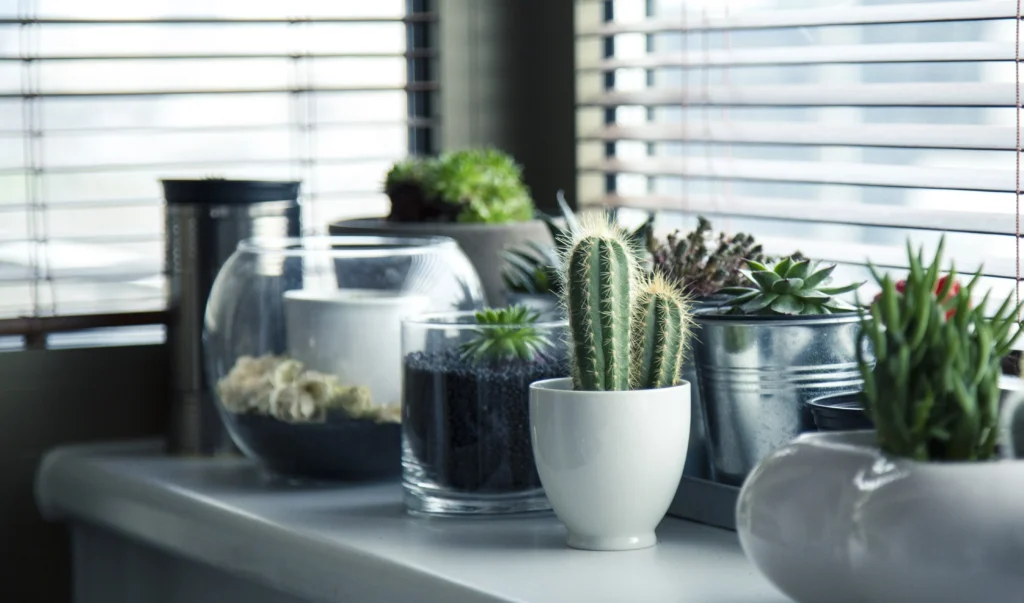
Bringing Nature Indoors: How to Integrate Greenery into Your Home’s Interior
In the modern era, where most of our time is spent in urban environments and strictly structured enclosed spaces, the need to connect with nature is more pressing than ever. Our home is no longer just a place to live; it is our personal sanctuary, the space where we relax, work, and rejuvenate. This is exactly where integrating greenery into interior design plays a crucial role.
As construction industry professionals, we see every day how the addition of natural elements can radically transform both the aesthetics and the quality of life within a residence. The trend of Biophilic Design is not just a passing fad, but a fundamental architectural approach.
Let’s explore how you can harmoniously integrate greenery into your home’s interior spaces, whether you are planning a full-scale renovation or looking for smart, decorative touches.
Architectural Interventions and Built-in Solutions
When the presence of plants is considered from the architectural design stage or during a radical renovation, the results are truly spectacular. Some construction solutions include:
- Indoor Patios: Creating a small, glass-enclosed indoor garden allows natural light to diffuse into all rooms. It offers a vibrant view of nature from every corner of the house and ensures excellent natural ventilation.
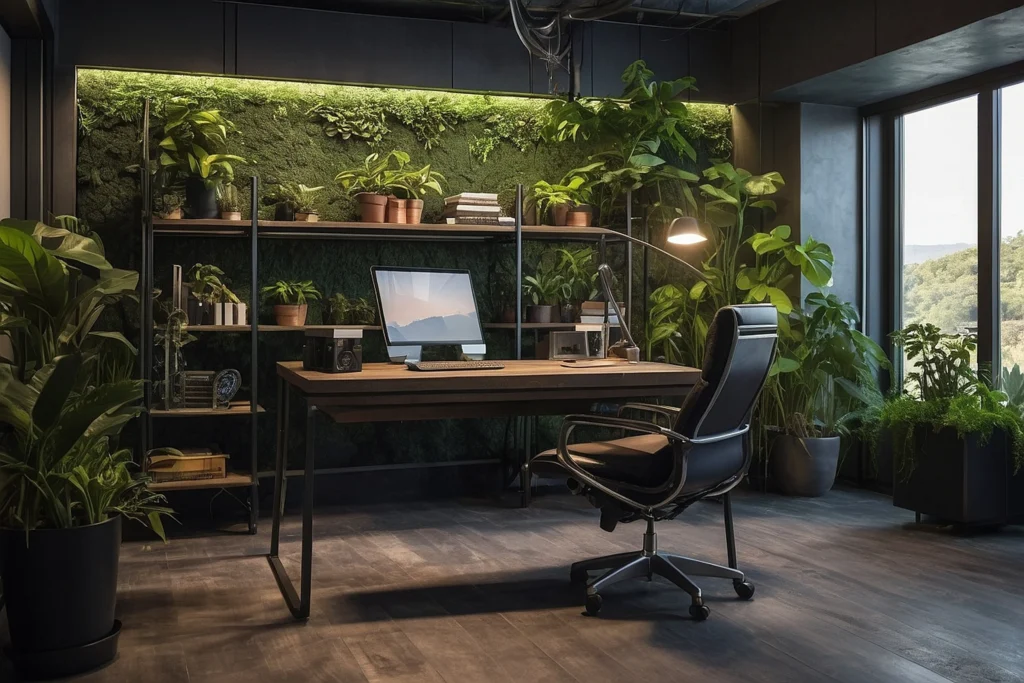
- Living Walls: One of the most impressive trends in modern architecture. A living wall in the living room, staircase, or entryway creates a stunning focal point. With the appropriate built-in irrigation and drainage systems that we install, their maintenance becomes fully automated.
- Built-in Planters: When designing floors, stairs, or low partition walls, custom-built recesses can be created to house plants, structurally unifying the building materials with the vegetation.
Strategic Placement by Room
Not all plants suit every room, nor do they have the same needs. Proper selection ensures their survival and highlights the space’s corners:
- Living Room: Here you can be bold with large floor plants that add volume. The Swiss Cheese Plant (Monstera Deliciosa), Fiddle Leaf Fig (Ficus Lyrata), and Bird of Paradise (Strelitzia) are excellent choices. Place them next to large openings or patio doors to act as a natural transition to the outdoors.
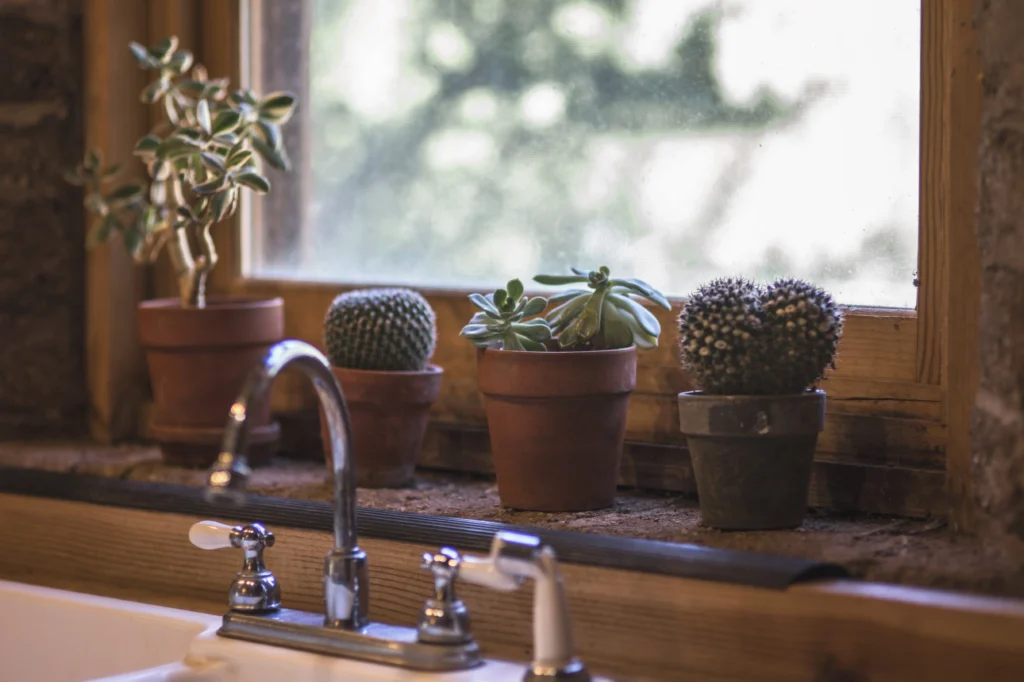
- Kitchen: The ideal space for practical greenery. Create a small herb garden (basil, rosemary, mint) on the windowsill or on hanging shelves above the kitchen island.
- Bathroom: Due to the high humidity and often low light levels, the bathroom is a paradise for tropical plants. Ferns, aloe vera, and bamboo thrive in these conditions, turning your bathroom into a relaxing private spa.
- Bedroom: Choose plants that purify the atmosphere. The Snake Plant (Sansevieria) and Peace Lily (Spathiphyllum) are ideal, as they release oxygen during the night, improving your sleep quality.
Creative Display Methods Without Major Construction
If structural changes are not in your immediate plans, decoration offers countless alternatives to fill your home with life:
Decorating Tip: Play with scales and levels. Combine floor plants with others placed on furniture, or even hanging from the ceiling to add depth to the space.
- Trailing Plants: Species like Pothos or Ivy can be placed on high shelves or in hanging planters, creating “waterfalls” that soften the strict, straight lines of walls.
- Room Dividers: Use open-style shelving units as dividers between the living room and dining room, and fill them with potted plants. This provides natural privacy without blocking the light.
Materials, Textures, and Lighting
To fully highlight the green elements, they must be framed by the right materials. We often recommend combining plants with raw, natural materials like exposed concrete, natural stone, untreated wood, and metal. The contrast between the organic warmth of a plant and the industrial roughness of concrete creates a highly contemporary design.
Lighting is equally important. Invest in large windows and energy-efficient glazing that allow light to flood the space. In the evenings, thoughtfully designed, concealed architectural lighting (like LED strips) under plant recesses or behind large pots will create impressive shadows on the walls.
The Benefits of a “Green” Investment
Adding plants goes beyond visual upgrading. Scientific studies confirm that their presence indoors:
- Improves air quality: They filter pollutants (like formaldehyde) and balance humidity.
- Reduces stress: Visual contact with nature lowers cortisol levels and offers tranquility.
- Boosts concentration: Making plants an essential addition to modern home offices.
Turning the Vision into Reality
Integrating nature indoors is an investment in your daily well-being. At our company, we believe that the ideal home is one that “breathes” and is in perfect harmony with its residents. If you are planning your next renovation or the construction of your new home and want to incorporate elements of biophilic design from the foundations up, our team of engineers and designers is here to guide you every step of the way.