
The Strategic Path to Energy Independence
In an era where climate change is no longer a future scenario but a daily reality, and energy prices are characterized by unprecedented volatility, the need for sustainable solutions is more urgent than ever. For a modern construction company, a building is no longer just a living shell, but an active organism that produces the energy it consumes.
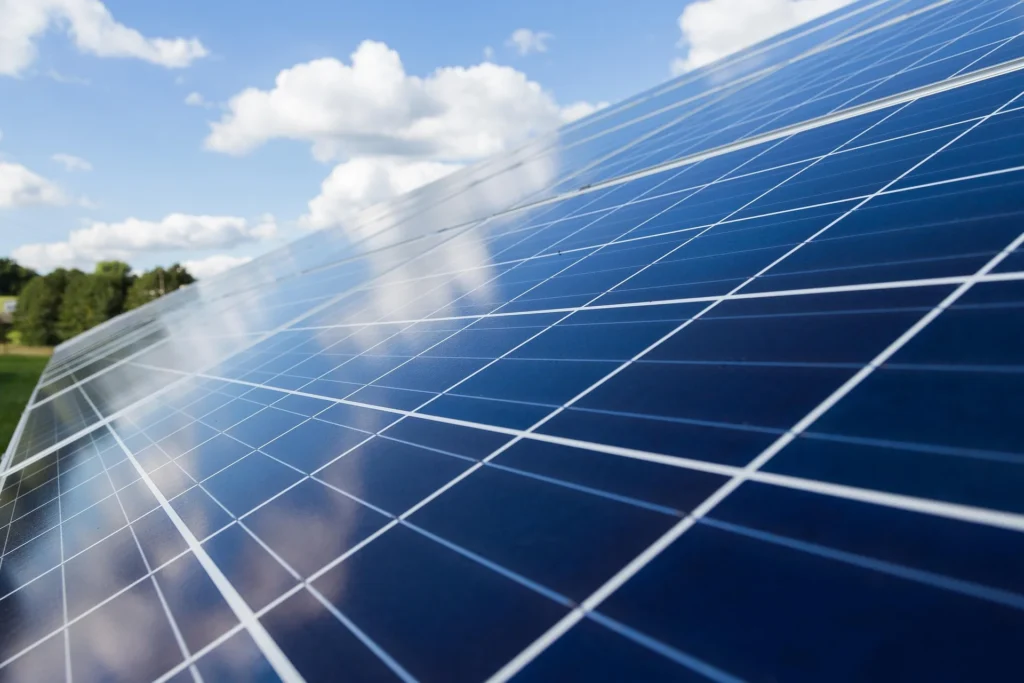
Rooftop photovoltaic (PV) systems are at the forefront of this revolution, offering the highly sought-after benefit of energy independence.
What Does “Energy Independence” Truly Mean?
Energy independence is not an abstract concept. In practice, it means the ability of a household or business to cover the majority of its electricity needs using the sun—a source that is free, inexhaustible, and readily available right above our heads.
By installing photovoltaics, the consumer is transformed into a “prosumer” (producer + consumer). They stop being a passive recipient of electricity bills and international fossil fuel price hikes and become an autonomous producer.
The Benefits of Installation: Why Now?
The decision to install rooftop solar panels is based on three central pillars: economy, autonomy, and environmental consciousness.
1. Drastic Cost Reduction
The payback period for such an investment is now faster than ever. Through Net Metering or Net Billing programs, the energy produced during the day that is not immediately consumed is fed back into the grid and credited to your account.
2. Protection Against Market Fluctuations
When you produce your own electricity, geopolitical crises and natural gas price increases have minimal impact on you. You “lock in” your energy costs for the next 25-30 years (the typical lifespan of the panels).
3. Added Property Value
A building with an installed PV system receives an energy upgrade (Energy Class A or A+). This automatically increases its market value and makes it more attractive for sale or rent.
Technological Evolution and the Role of Storage (Batteries)
True independence is achieved when the system is combined with energy storage units.
Batteries allow for the use of solar energy even at night or during cloudy periods. Instead of excess energy returning to the grid, it is stored locally. This is particularly critical for:
- Backup Operation: In the event of a grid power outage, your home remains lit and your appliances continue to function.
- Maximum Self-Consumption: You can achieve energy autonomy rates reaching 80-90%.
The Role of the Construction Company: From Study to Implementation
Installing solar panels on a roof is not just a simple placement of hardware. It requires a holistic approach that only an experienced construction company can guarantee.
- Structural Integrity and Insulation
Before any installation, we examine the structural strength of the roof and its waterproofing. It is a mistake to install a system intended to last 30 years on a roof that will need repairs in five. We ensure the infrastructure is ready to handle the load.
- Siting and Shading
The efficiency of a system depends on tilt, orientation (ideally South-facing), and the absence of obstacles (trees, chimneys, neighboring buildings). We use specialized simulation software to calculate the exact annual production before installation even begins.
- Aesthetic Integration
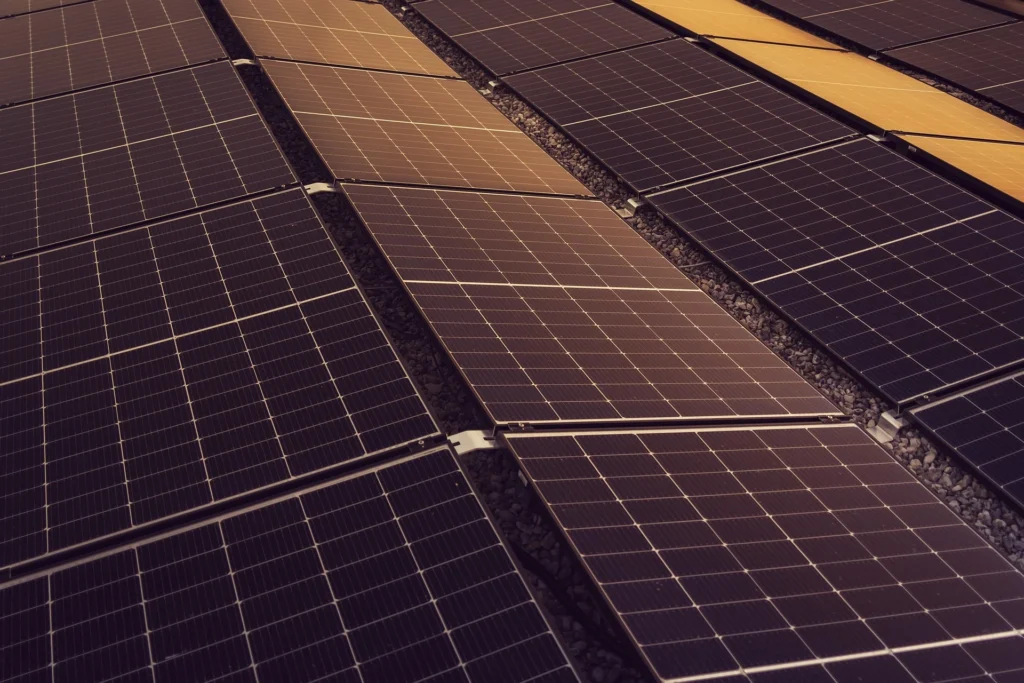
At Gkotzamanis Constructions, we believe that sustainability must go hand-in-hand with aesthetics. Modern panels (such as All-Black modules) integrate harmoniously into the building’s architecture, adding a touch of modernization without altering its character.
The Future: Smart Homes and E-Mobility
Energy independence is inextricably linked to the Smart Home. Imagine a system where the washing machine or water heater activates automatically when sunlight is at its peak.
Furthermore, the rise of e-mobility is changing the game. Your roof becomes the “gas station” of the future. Charging your electric vehicle with solar energy practically means zero transportation costs.
Important Note: Investing in photovoltaics is an investment in the “green” future of our children. Every kilowatt-hour produced by the sun is a kilowatt-hour that does not burden the atmosphere with carbon dioxide.
Conclusion
The transition to solar energy is no longer a choice for the “tech-savvy” few, but a strategic decision for every property owner who wants to control their future.
Energy independence is the key to economically viable and environmentally responsible living. Are you ready to let the sun work for you?