

5 Essential Technical Checks You Must Do on Your Property
Winter, with its low temperatures, intense humidity, rainfall, and frost, is the most demanding season for any building. No matter how well-constructed a property is, its structural elements are severely tested by extreme weather conditions. As the weather clears up and we welcome spring, it is the ideal time to evaluate the condition of our home or commercial space.
In the construction industry, there is a golden rule: Prevention is always more economical and safer than repair. A thorough spring inspection doesn’t just ensure the aesthetic perfection of the building; it protects your investment, prolongs the lifespan of materials, and prepares you for the upcoming summer.
Below, our team’s engineers and technicians have gathered the 5 most critical technical checks you need to carry out on your property this spring.
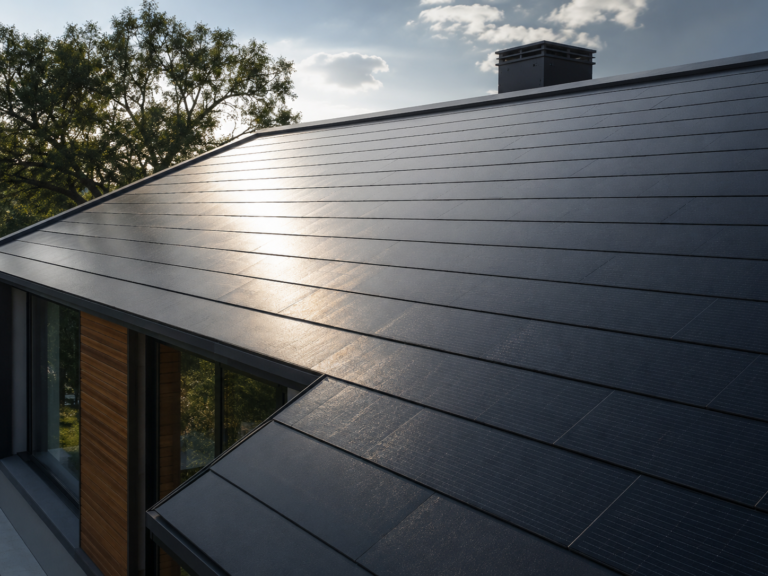
1. Roof, Terrace, and Waterproofing Inspection
The “umbrella” of your building is the first part to suffer the effects of winter. Water accumulation, ice, and strong winds may have caused damage that, if ignored, will lead to serious dampness issues.
- What to check:
- On pitched/tiled roofs: Look for broken, cracked, or displaced roof tiles. Check the joints (e.g., at the ridges) and the areas where the roof meets chimneys or solar water heaters for any cracks in the insulation.
- On flat roofs (Terraces): Inspect the surface for stagnant water, which indicates a problem with the slopes (drainage pitch). Check the condition of the waterproofing (bituminous membranes or brushable materials). Are there any blisters, tears, or detachments at the skirting boards?
- Why it’s crucial: Moisture penetration into the concrete slab is the number one enemy of a building. Water can cause oxidation (rust) in the concrete reinforcement, leading to the swelling of the rebars, “spalling” of the plaster, and, in the long term, structural problems. Timely maintenance of the insulation in the spring saves you from costly repairs.
2. Inspection of Facades, Plasters, and Paintwork
Exterior walls protect the building from the elements of nature. Winter often leaves its mark in the form of cracks or peeling paint, reducing both the protection and the energy efficiency of the property.
What to check:
- Look for hairline cracks on the exterior walls.
- Locate spots where the paint has blistered or is peeling off. This usually means moisture has been trapped behind the paint.
- Check the balconies, specifically the fascias and undersides, as plaster detachments due to moisture are often observed there.
- If the building features an External Thermal Insulation Composite System (ETICS), ensure there are no dents or cracks in the exterior render.
- Why it’s crucial: Exterior painting isn’t just about aesthetics. Quality acrylic or elastomeric paint acts as a shield against water. Sealing cracks (puttying) and freshening up exterior paints in the spring fortify the house and prevent water intrusion into the masonry, while maintaining your property’s value at a high level.
3. Cleaning and Inspection of Gutters and Drainage Systems
Autumn leaves combined with winter rain mud create the perfect mix to clog gutters and drainage systems.
- What to check:
- Thoroughly clean horizontal and vertical gutters (downspouts) of leaves, twigs, and dirt.
- Run water with a hose to ensure the flow is unobstructed and that there are no leaks at the pipe joints.
- Check the drain grates on the ground floor and the drainage points on the balconies.
- Why it’s crucial: A clogged gutter means rainwater will overflow and run down the building’s facades, causing stains, mold, and the gradual destruction of the paint. In the worst-case scenario, stagnant water can seep into the foundations or basements, causing extensive damage.
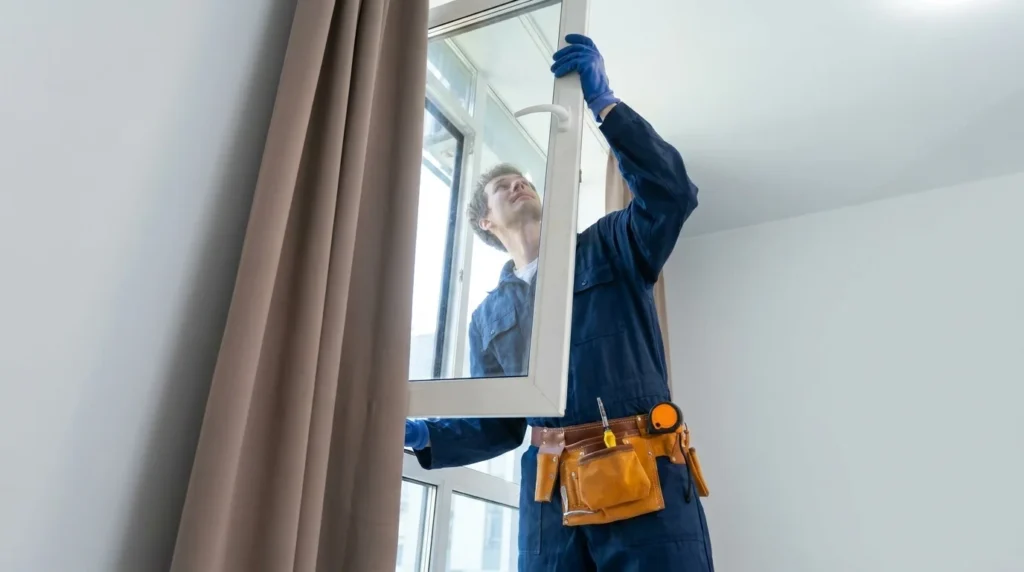
4. Inspection of Window/Door Frames and Exterior Wooden/Metal Elements
As we prepare for the warmer months, checking the frames is essential to ensure the house stays cool and that we won’t experience cooling losses during the summer.
What to check:
- Frames (Aluminum/PVC/Wood): Check the weatherstripping (the rubber seals around doors and windows). If they have dried out or torn, they need immediate replacement. Ensure that hinges, locks, and tilt-and-turn mechanisms operate smoothly. Add lubricant where necessary.
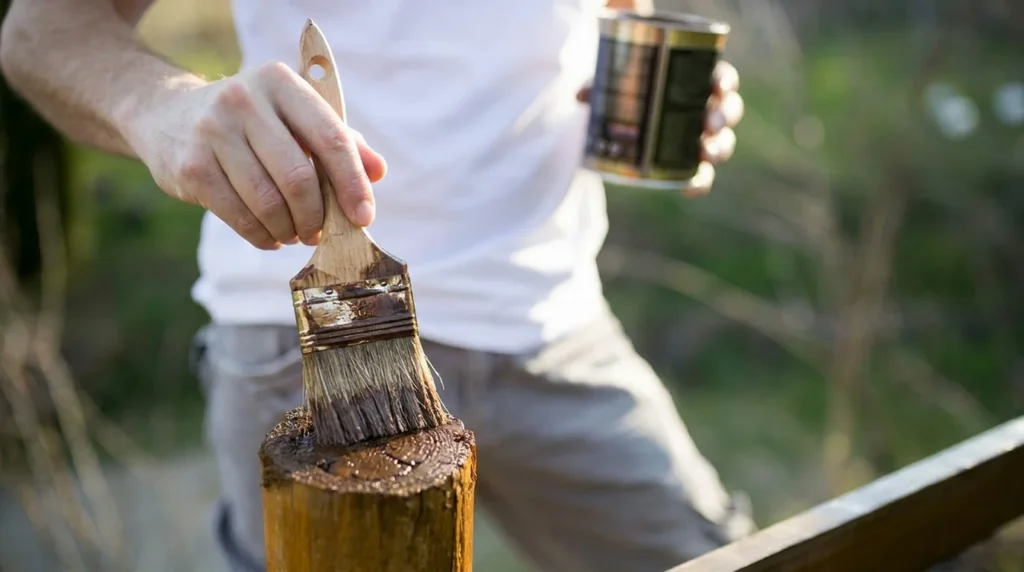
- Wooden pergolas and structures: Wood “suffers” from moisture. Check for rotting spots, peeling varnish, and apply a new coat of wood preservative or oil.
- Metal railings: Look for signs of rust. Spring is the ideal time for sanding, applying an anti-rust primer, and painting.
- Why it’s crucial: Poorly fitted or unsealed frames are responsible for the largest percentage of a home’s energy losses. By repairing the insulating seals in the spring, you ensure that your air conditioning will perform at its maximum in the summer, drastically reducing your electricity bills.
5. Maintenance of Shading Systems, Air Conditioning, and Mechanical and Electrical Installations
Your comfort in the summer depends directly on the proper operation of the mechanical installations and shading systems. Spring is the season of preparation.
What to check:
- Awnings and Shading Systems: Fully extend your awnings. Clean the fabric from winter dust and stains (so they don’t dry out and get permanently baked into the fabric by the summer sun). Check the arms, motors (if electric), and stitch up any unraveled seams.
- Air Conditioning (A/C): Don’t wait for the first heatwave to call a technician. Clean the filters, request a chemical deep clean from a professional, and check the Freon levels in the outdoor units.
- Exterior Electrical & Plumbing: Check outdoor sockets (make sure the waterproof covers are intact), garden lighting, and outdoor faucets for any leaks caused by frost (burst pipes).
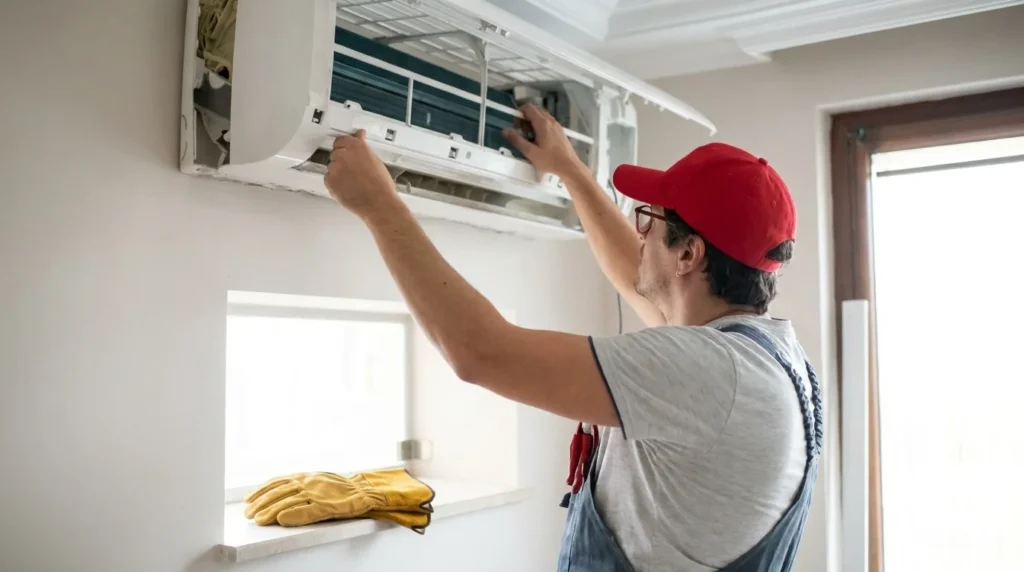
- Why it’s crucial: A well-maintained air conditioning system consumes less energy and protects your health from fungi and bacteria. Similarly, shading systems play a huge role in the passive cooling of the property, keeping the sun’s rays completely out of the house.
Conclusion: Invest in Prevention
The process of spring maintenance might sound demanding, but it is the safest route to a healthy, functional, and beautiful property. Many of these checks can be done by you (visual inspection); however, for an accurate diagnosis and the professional restoration of any damages, an expert’s experience is irreplaceable.