

Returning from summer vacation is always a bittersweet experience. On one hand, there is the nostalgia for those carefree days on the beach, and on the other, the warmth and familiarity of returning to our personal space. However, a house that has remained closed and unoccupied for days or even weeks requires our attention. As experts in the construction and renovation sector, we know well that buildings are “living” organisms. They breathe, expand, contract, and react to environmental conditions, even when we are away.
The sudden change in temperature, the lack of ventilation, and the inactivity in the plumbing and electrical networks can create minor or major issues which, if not spotted in time, might evolve into costly damages. A proper inspection upon your return is not just a cleaning routine, but an essential health check of your property. In this article, we have prepared a comprehensive guide with everything you need to check when entering your home after your holidays, ensuring a smooth and safe transition back to your daily routine.
The First Impression: Ventilation and Electrical Check
The first sensation you usually get when entering a closed house is a stuffy atmosphere. The lack of fresh air, combined with high summer temperatures, traps moisture, odors, and volatile organic compounds emitted by furniture and building materials. Your immediate action should be to open all windows and doors to create a strong cross-breeze. This doesn’t just replenish oxygen; it also helps remove the accumulated thermal mass from the building’s interior, allowing the walls to “breathe”.

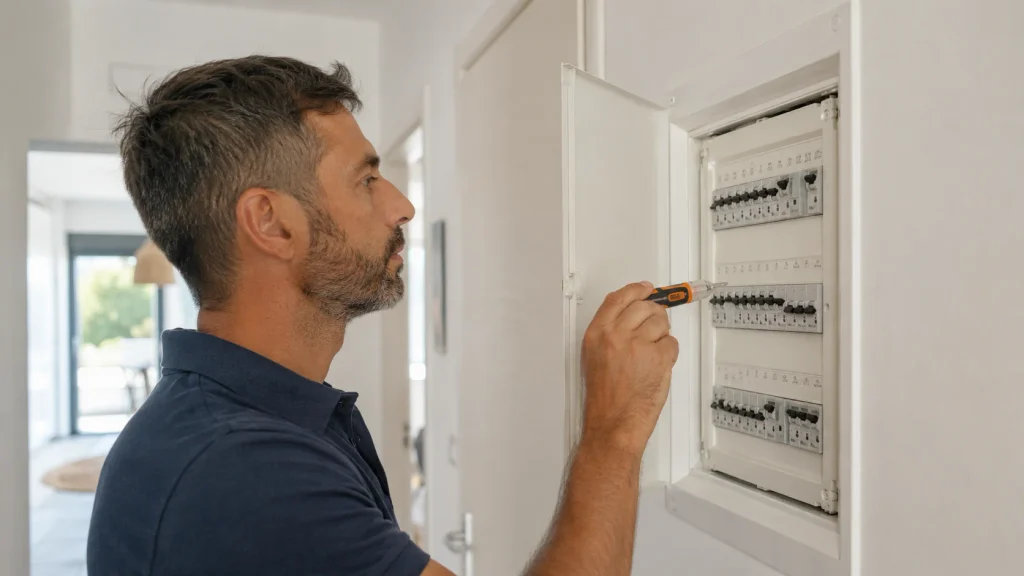
Along with ventilation, your attention should turn to the electrical panel and appliances. Even if you had turned off the main switch, it is important to restore power gradually. If you left the power on (e.g., for the refrigerator or the alarm system to run), you need to check if there were any power outages or voltage fluctuations in the area during your absence.
- Check the indicators on the electrical panel for any “tripped” breakers that indicate a short circuit or a power surge from a summer storm.
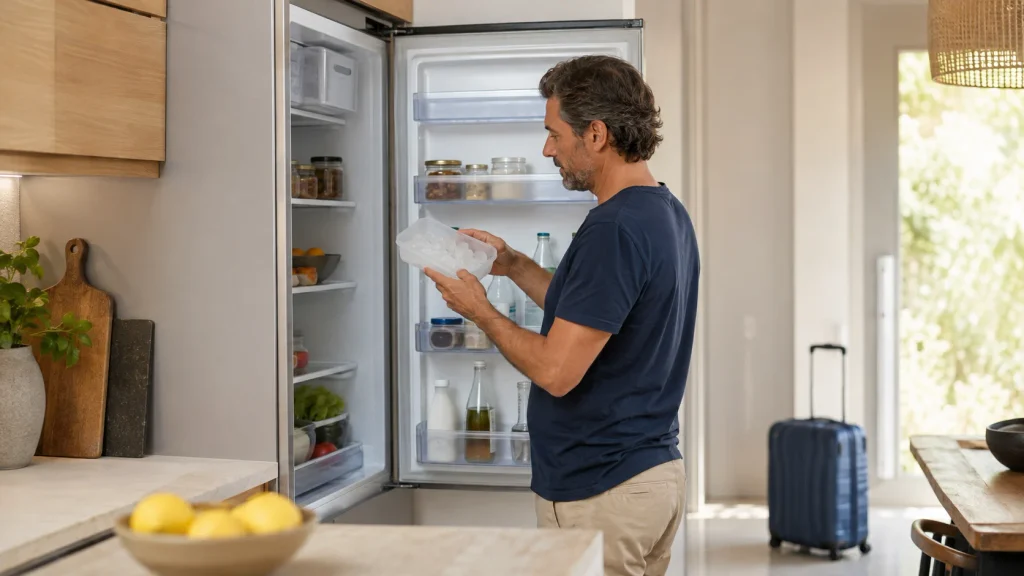
- Open the fridge and freezer: If you notice that food has thawed and refrozen, it means there was a prolonged power outage, which poses health risks and threatens the proper function of the appliance’s motor.
- Test the light switches and outlets in the main rooms, confirming that the network is operating evenly and without flickering.
The safety of electrical installations is the foundation for the smooth operation of any modern home. If you notice any malfunction, a burning smell, or unusual noises from the panel, calling a licensed electrician is mandatory.
Plumbing Installations: Prevention Saves the Day
Water is a source of life, but in the construction industry, we know it is the number one enemy of building materials if it finds its way to the wrong place. Water leaks are the biggest fear of every homeowner while away on vacation. If you closed the main water supply valve before leaving—a practice we highly recommend—restoring it must be done carefully and methodically. Open the valve slowly to avoid a water hammer effect (a sudden pressure spike) that could damage the pipes.
Once the supply is open, let water run generously from all the faucets in the house, both hot and cold. Stagnant water in the pipes for a long period can breed bacteria, such as Legionella, especially during the hot months. Let the water run for at least 5 minutes to completely flush the network.
Careful observation is the key: A small moisture spot today could mean a complete and costly wall or floor renovation tomorrow.
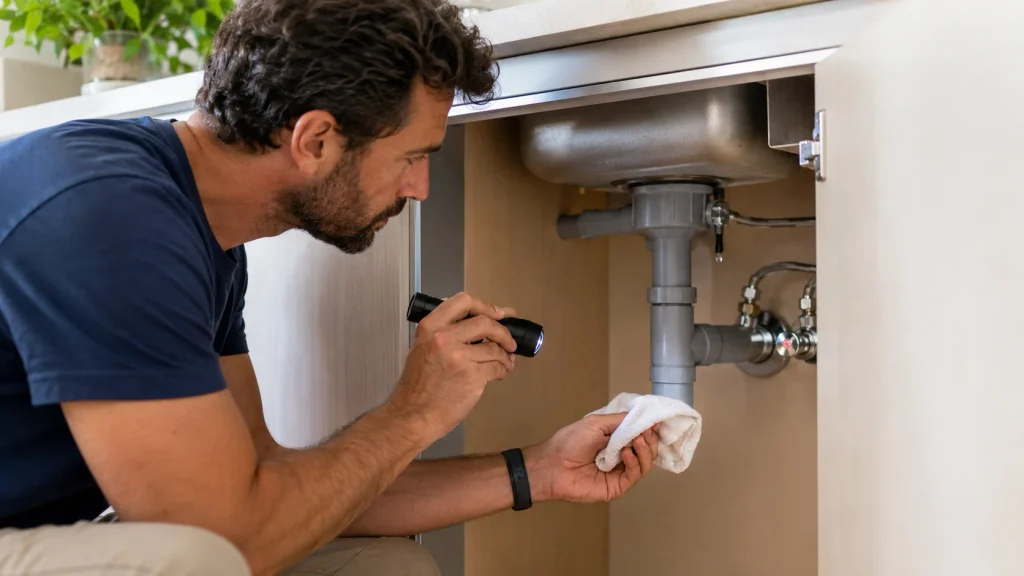
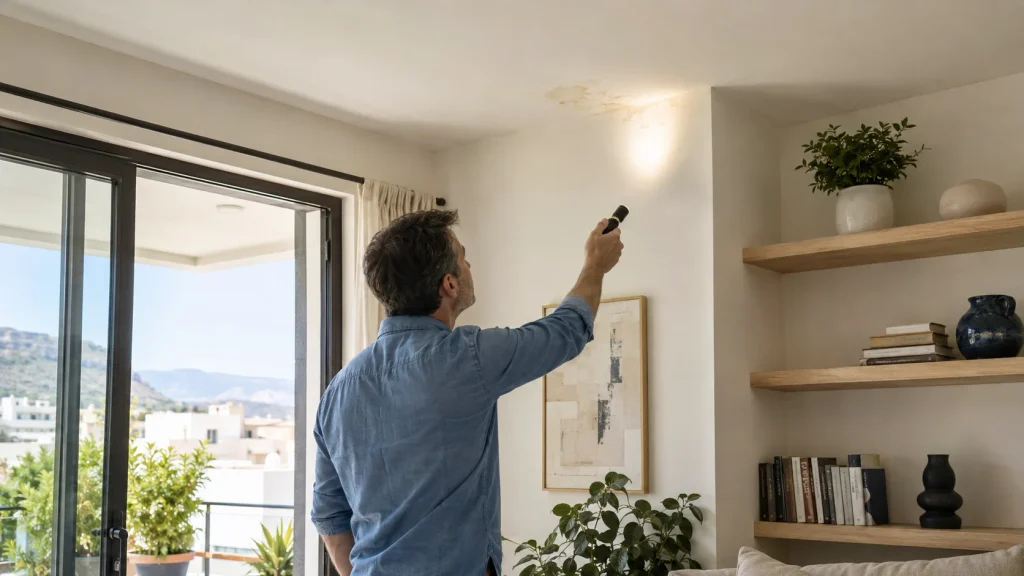
Take the time to carefully inspect high-risk areas. Look under the kitchen sink and bathroom vanity for any drips, rust, or accumulated moisture around the traps. Flush all the toilets and make sure the water stops running once the tank is full. Finally, look up. Check the ceilings and the top of the walls for yellow stains, blistering paint, or signs of mold. These symptoms might indicate a leak from the apartment above or, if you live on the top floor, a problem with the roof insulation following a sudden summer downpour.
Windows, Doors, Outdoor Spaces, and Moisture
The inspection doesn’t stop indoors. The building’s envelope—the exterior walls, roof, balconies, and frames—is your home’s first line of defense against the elements. The extreme heat of summer tests the endurance of materials. Intense solar radiation can cause thermal expansion in window and door frames, potentially degrading the weatherstripping.
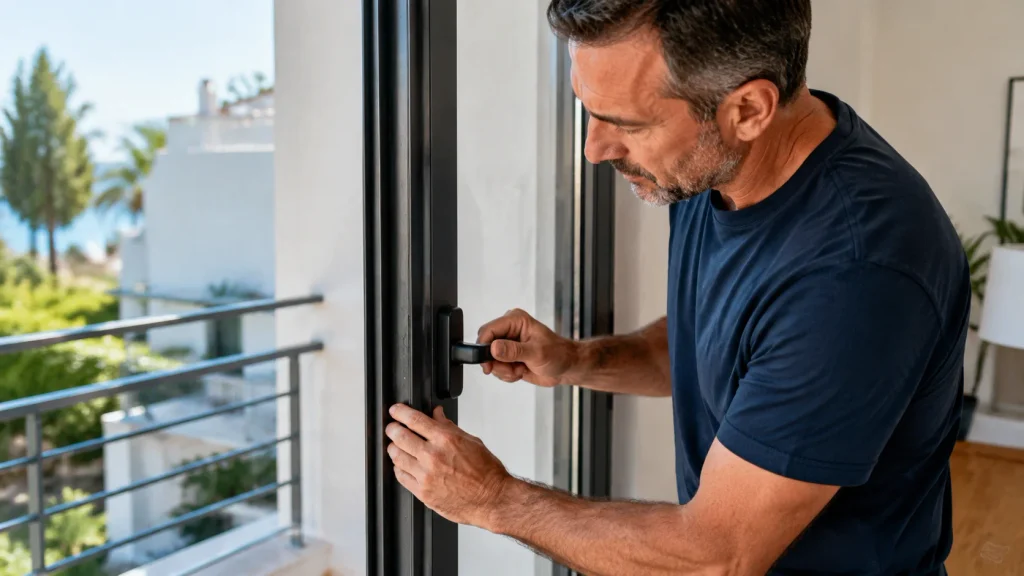
- Open and close all balcony doors and windows. Check if they scrape against their tracks, if the rubber seals have dried out, or if the tilt-and-turn mechanisms operate smoothly. Their proper fit is crucial for the home’s energy efficiency.
- Inspect the drains and gutters on balconies and verandas. Often, during the summer, dry leaves, dust, and dirt accumulate in the downspouts. If not cleaned in time, the first autumn rains will cause overflowing and potential water ingress into the house.
- Observe the exterior plaster and paint. Look for small (hairline) cracks that may have formed from expansion and contraction. Although most are superficial, moisture entering them during the winter can cause more severe cracking and plaster detachment.
If you have a garden, checking the automatic irrigation system is also essential. A malfunctioning timer or a broken pipe can not only ruin your plants but also channel massive amounts of water into the home’s foundations, causing rising damp in the walls of the ground floor or basement.

Energy Upgrades and Maintenance: The Next Day
Returning from holidays essentially marks the beginning of preparing your home for the autumn and winter seasons. Air conditioning systems worked overtime before you left or perhaps even during your vacation (if you left them on a maintenance setting). Now is the time to thoroughly clean the AC filters from dust and mites that multiplied in the enclosed space, ensuring healthy air and saving on electricity.
Furthermore, this is the ideal time to schedule the maintenance of your heating systems. Do not wait for the first cold spell to check the gas boiler, the oil burner, or the heat pump. Check the pressure of the heating network and schedule the annual cleaning by a certified technician.
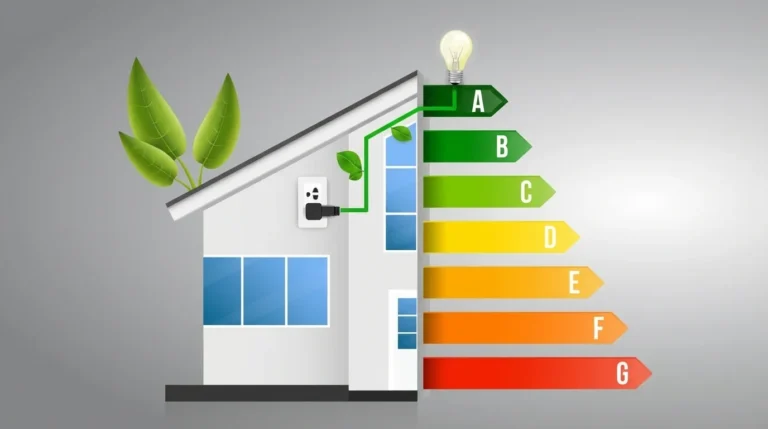
As a construction company, we often emphasize to our clients that the period immediately following summer is the optimal “window” to assess your property’s overall needs. If you found that the house was “boiling” upon your return, despite the shutters being closed, perhaps the roof insulation or the exterior thermal facade of the walls is insufficient. If old frames allowed heat (and insects) to enter, maybe it’s time to replace them with new, energy-efficient aluminum or PVC systems.
A house is a serious investment and requires continuous care. Wear and tear are inevitable over time, but proper maintenance and targeted interventions can extend its lifespan, increase its value, and dramatically improve your quality of life within it. Do not ignore the small signs of wear you spotted upon your return. Timely repairs will save you from unnecessary expenses and stress in the future.