

Home Buying Guide: Essential Documents for Purchasing a New Property
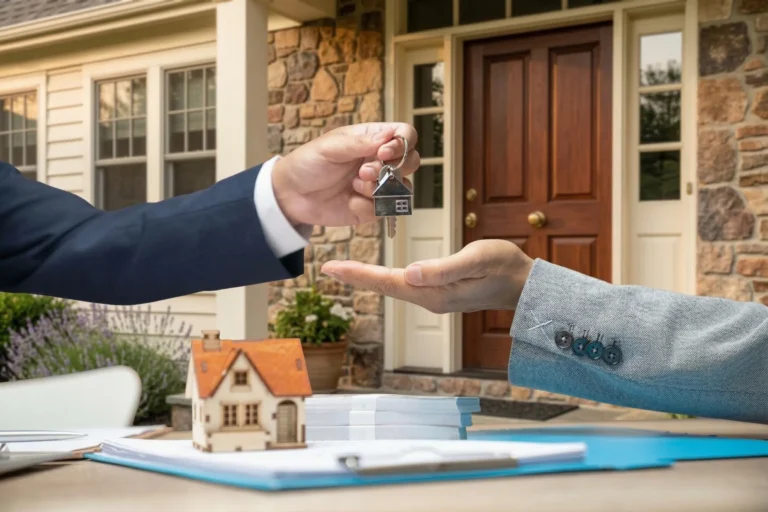
Buying a brand-new home is one of the most significant milestones in a person’s life. It is the moment when years of hard work transform into a home that will shelter your dreams and your family. However, behind the excitement of choosing finishes and layouts lies a complex process of gathering the necessary paperwork.
At our construction company, we believe that transparency and proper preparation are the keys to a stress-free transaction. To help you navigate this process safely, we have compiled a comprehensive list of all the essential documents you will need, both from your side and from the developer.
1. Buyer’s Personal Documents
Before proceeding to the final contract, you must have your basic identification and tax documents ready:
- ID Card or Passport: A valid form of identification to verify your personal details.
- Tax Identification Number (AFM): Essential for any financial transaction in Greece.
- Recent Tax Clearance Certificate: Primarily used to prove the source of funds (Proof of Funds) and mandatory if you are applying for a mortgage.
- Family Status Certificate: Necessary in specific cases, such as claiming a tax exemption for a primary residence (first-time buyer).
2. Property Documents (Provided by the Developer)
This is where you need to pay the most attention. The legal and technical audit of the property documents is the most crucial stage before signing.
A. Building Permit
This is the property’s “birth certificate.” It must be certified by the competent Planning Office and correspond exactly to the square footage and use of the space you are purchasing.
B. Title Deeds and Exchange Contracts (Antiparochi)
If the plot originally belonged to a private individual and was given to the developer in exchange for apartments, you will need the contractor’s preliminary agreement and the “Horizontal Property Ownership” act. These documents define exactly which apartment belongs to whom and the ownership percentages on the plot.
C. Energy Performance Certificate (EPC)
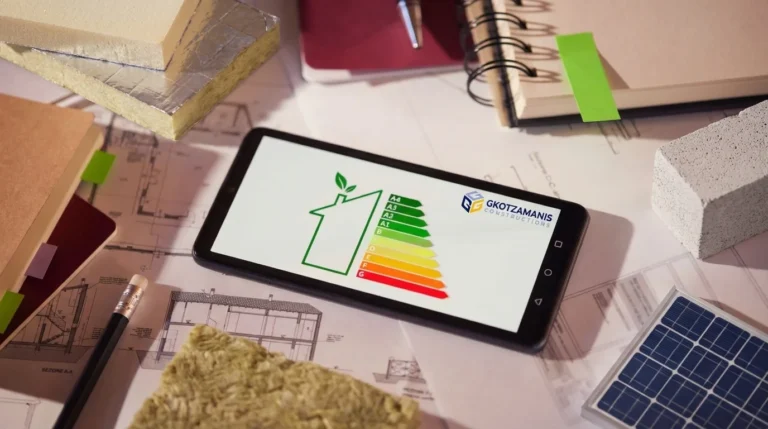
Every new building must be accompanied by an EPC. Nowadays, an energy class of A or A+ is not just a piece of paper; it is a guarantee for lower utility bills in the future.
D. Engineer’s Certificate
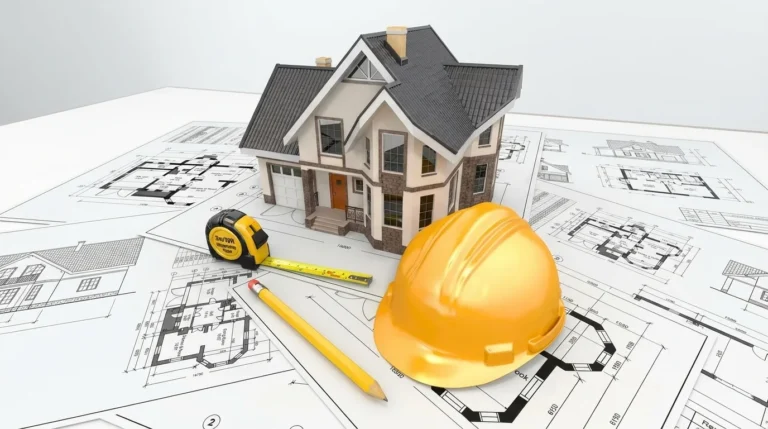
According to current legislation, a licensed engineer must certify that there are no building code violations or that any existing ones have been fully legalized. For a new property, this ensures that the construction strictly followed the approved architectural plans.
E. Electronic Building ID
This is now mandatory for every real estate transfer. It is a digital file that includes all plans, floor plans, permits, and certificates of the property.
3. Tax and Social Security Obligations
Transferring a property requires clearing any outstanding debts to the state.
- Transfer Tax or VAT: For new buildings with permits issued after 2006, a 24% VAT normally applied. However, there is a VAT suspension in effect (currently through the end of 2024/2025), meaning the buyer typically pays a 3% Transfer Tax instead.
- Tax and Social Security Clearance: The seller (the construction company) must provide these documents to prove they have no debts that could block the transfer.
- ENFIA Certificate: Proves that the property has been correctly declared and that all property taxes have been paid over the last few years.
4. The Mortgage Process
If you plan to finance your purchase through a bank, the list of requirements grows. The bank will typically request:
- The project budget (if the property is under construction).
- Technical specifications of materials.
- Copies of the architectural plans (floor plans, sections).
- A legal and technical audit performed by the bank’s own lawyers and engineers.
5. Tips for a Smooth Process
- Hire a Lawyer: Although legal representation is no longer mandatory for contracts in Greece, a lawyer is the only person who can ensure the titles are “clean” of encumbrances (mortgages, liens, or claims).
- Work with a Notary: The notary is the “conductor” of the process. They will draft the preliminary and final contracts, verifying the validity of all the aforementioned documents.
- Check the Building Regulations: Ask for the “Kanonismos” (Building Rules). This document outlines your rights and obligations, such as the use of common areas, parking, or rooftop access.
Conclusion
Gathering all the paperwork might seem like a mountain to climb, but with the right guidance from an experienced construction company, everything becomes simpler. We take care of providing you with a complete and transparent file so that you can focus on what truly matters: decorating and creating memories in your new home.
If you have any questions about the process or would like to view our available properties, our team is always at your disposal!