
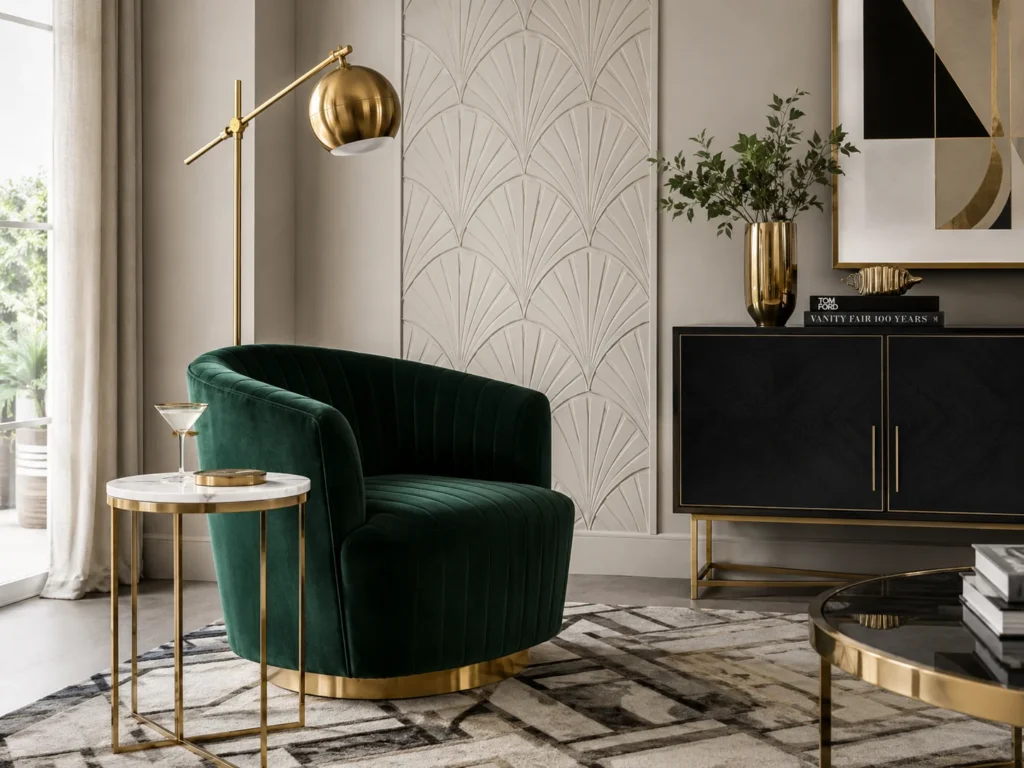
Architecture and interior design often move in cycles, borrowing elements from the past to redefine the present. If there is one movement that has never lost its ability to captivate, it is Art Deco. Born in the 1920s, between the interwar period and the economic boom, Art Deco became synonymous with optimism, progress, geometric discipline, and, above all, an absolute sense of luxury.
Today, a century later, we are witnessing a dynamic comeback of this style in modern construction and renovations. However, its contemporary version is not a mere copy of the past. It is a sophisticated “conversation” between the timeless glamour of the 1920s and the functional simplicity of 2026.
In this article, we will explore how modern construction companies integrate Art Deco details into contemporary buildings, creating spaces with a unique identity and unparalleled aesthetic value.
1. What is Contemporary Art Deco (The New Deco)?
The original Art Deco relied on sharp contrasts, rich materials (such as marble, exotic wood, and bronze), and intricate geometric patterns. It was a statement of wealth and technological supremacy.
In modern construction, this style is filtered through the lens of modernism and sustainability. Instead of overly cluttered spaces, architects and engineers opt for the strategic placement of Art Deco elements against a clean, minimalist backdrop. This approach emphasizes the quality of the materials and the craftsmanship of the construction, making the result elegant rather than loud.
2. Geometry and Curves: The Structural Identity
One of the most recognizable features of Art Deco is its use of geometry. While modern minimalism prefers strict, straight lines, Art Deco introduces curves, arches, and zig-zags.
How it is integrated into construction:
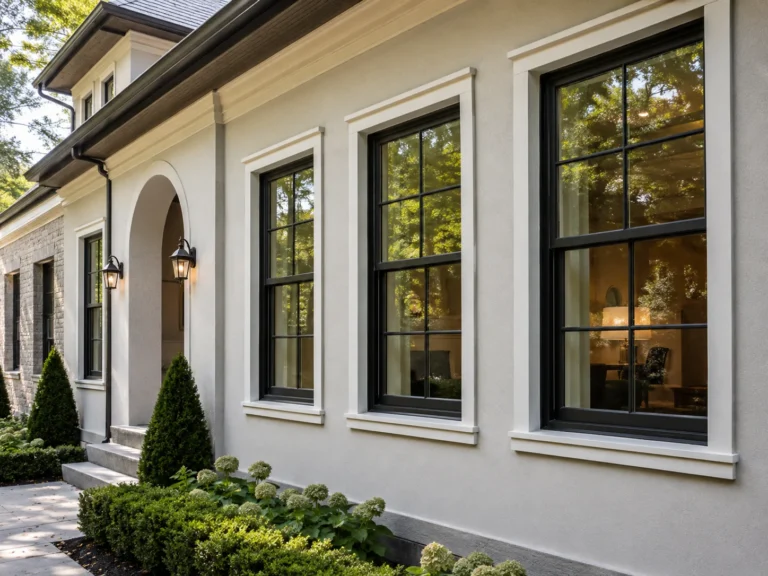
- Arched Passageways and Windows: Instead of classic rectangular interior doors, modern renovations adopt arched openings that soften the space and add a touch of theatricality.
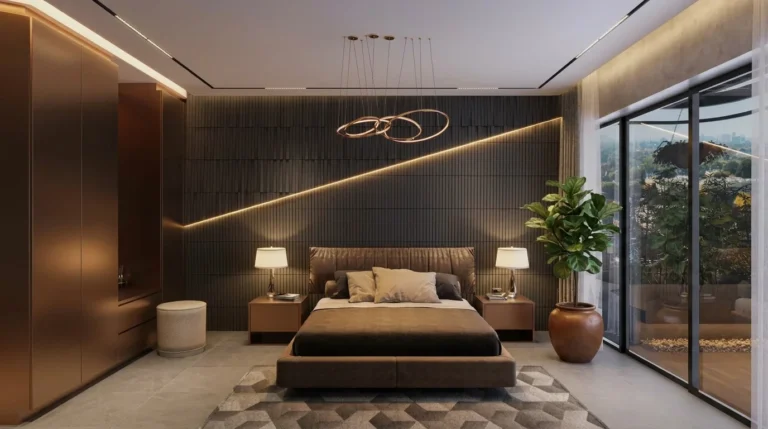
- Curved Walls and Drop Ceilings: The use of drywall allows for the creation of curved surfaces and stepped ceilings that conceal LED accent lighting, seamlessly blending tradition with modern technology.
- Geometric Panels: Wall claddings featuring 3D geometric panels made of wood or plaster create a striking focal point in living rooms or reception areas.
3. The Revival of Materials: Metal, Marble, and Glass
Art Deco would not exist without materials that exude luxury. In today’s construction projects, materials are selected with both aesthetics and long-term durability in mind.
Brass and Bronze
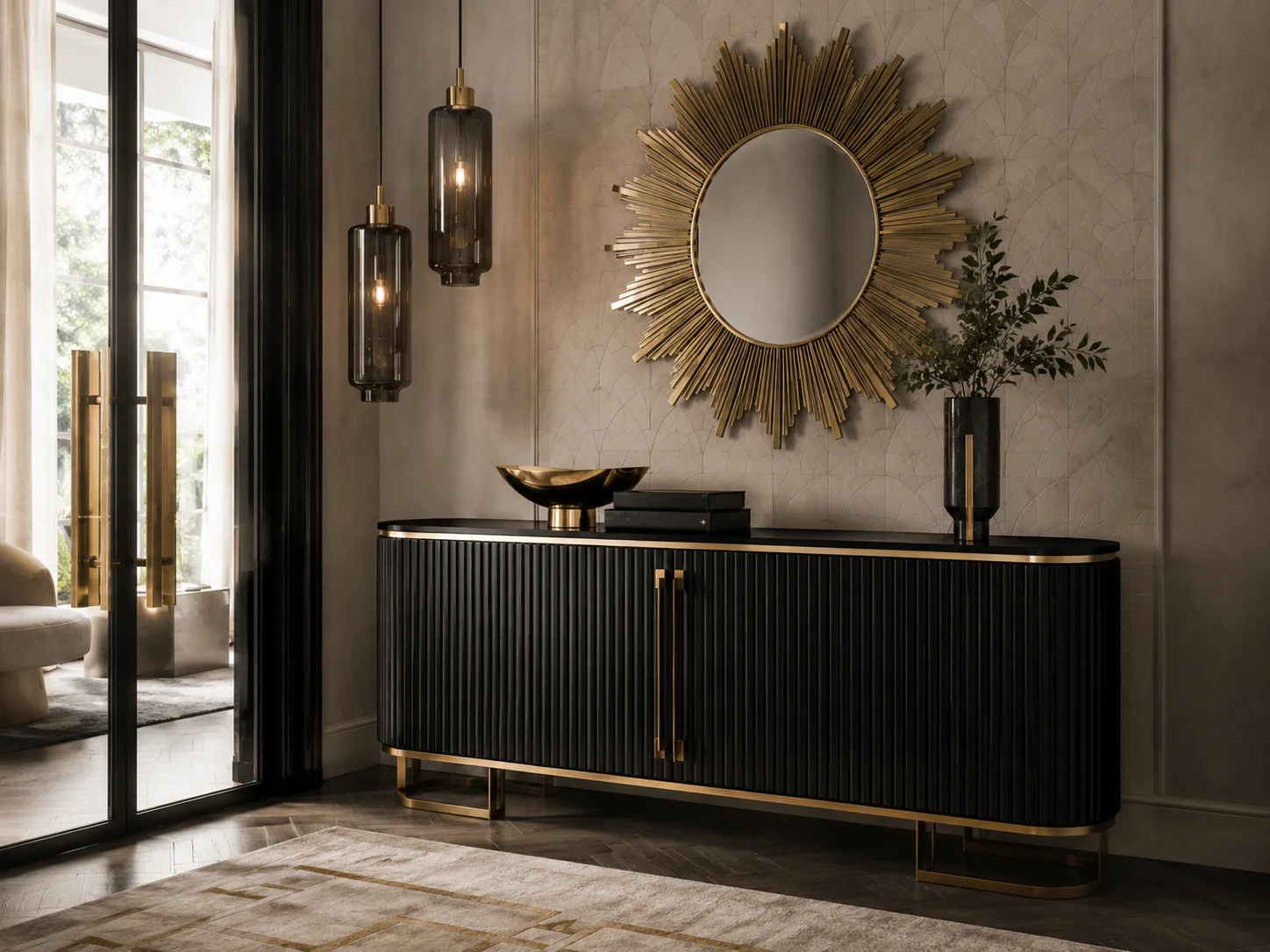
Forget cold, industrial chrome. Brass in a matte or brushed finish is the reigning king of metallic detailing. It is widely used in:
- Staircase railings with geometric designs.
- Frames for interior glass doors.
- Fixtures and faucets in bathrooms and kitchens.
Boldly Veined Marble
While white Carrara marble remains popular, the Art Deco trend calls for high-contrast, deeply colored marbles—such as Tinos green, Nero Marquina black, or marbles with rich gold and brown veins. Builders place them in book-matched formations (where the veins join like an open book) on fireplaces, kitchen islands, or bathroom walls.
4. The Details That Make the Difference
In a construction project, the difference between an ordinary space and one with high architectural value lies in the details. Art Deco provides the perfect toolkit to elevate a building’s premium feel.
Fluted and Ribbed Details
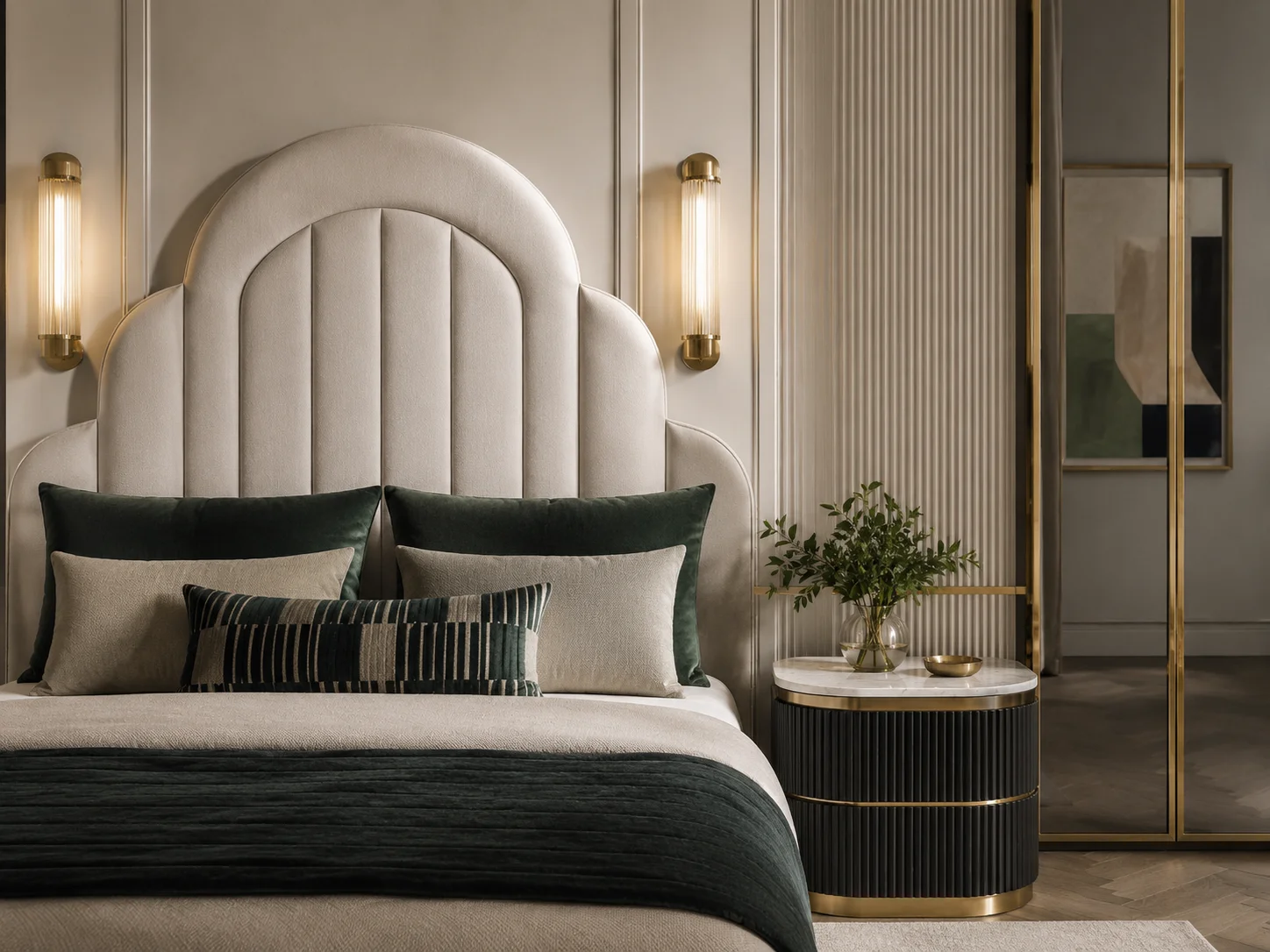
Vertical ribbing is perhaps the strongest trend right now. We see it in wooden wall paneling, kitchen island bases, and fluted glass. Fluted glass is frequently used in interior partitions (e.g., between a master bedroom and an en-suite bathroom) or cabinet doors, as it allows light to pass through while offering privacy and an exquisite texture.
Floors with Personality
Classic parallel plank flooring is giving way to patterns reminiscent of old grand estates. Chevron and Herringbone layouts in natural oak or walnut are top choices for modern residences. For tile or marble floors, builders create custom geometric “carpets” with metal inlays or contrasting colors.
Tip from the Construction Team: Using metal inlay profiles between tiles or wood planks is a cost-effective yet highly impactful way to bring an Art Deco flair to a floor or wall.
5. Lighting: The “Jewelry” of the Space
In Art Deco architecture, light isn’t just used for visibility—it is used to dramatize the space. Light fixtures are treated as sculptures or fine jewelry.
Modern lighting designs incorporate:
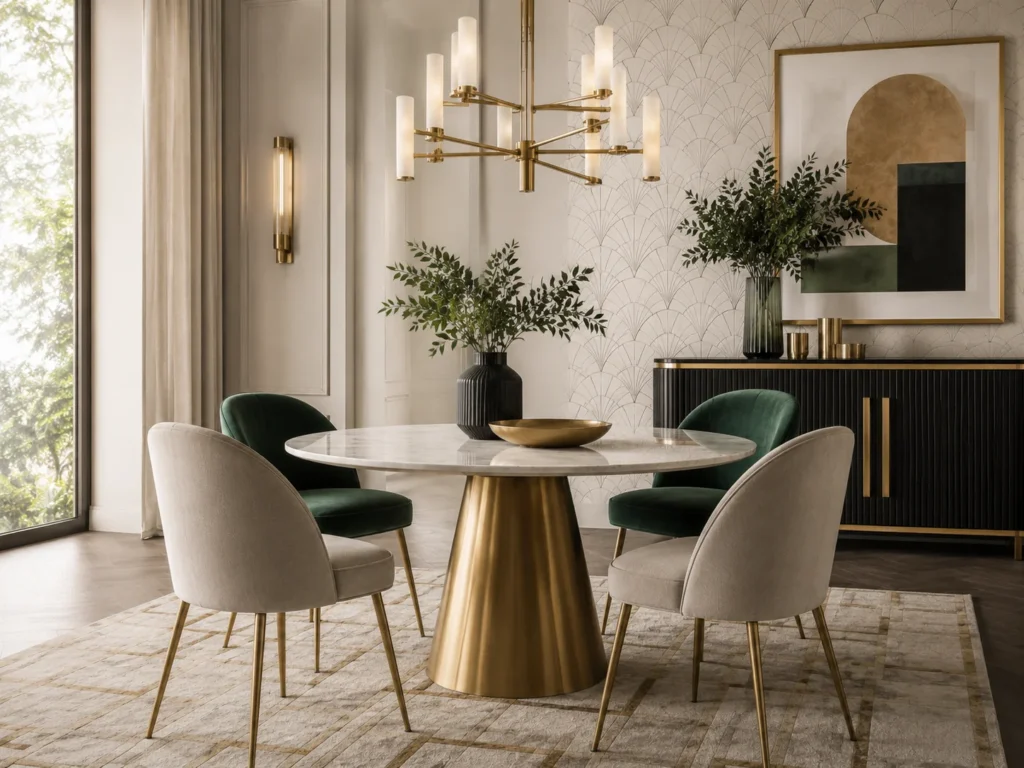
- Geometric Sconces: Wall fixtures made of brass and glass (opal or clear) that cast light upward and downward, accentuating the texture of the walls.
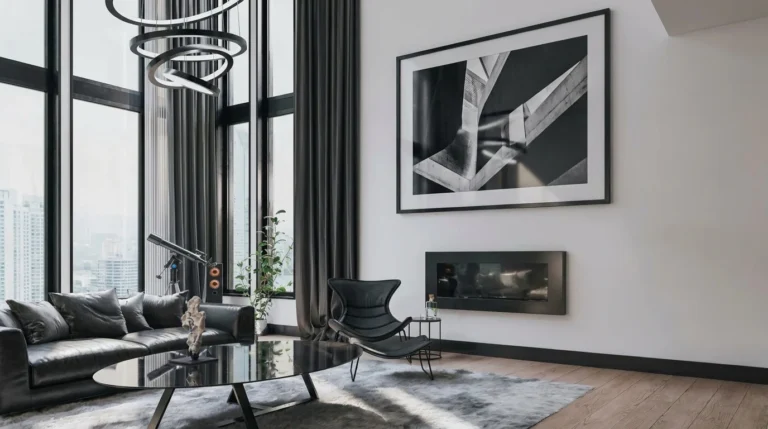
- Linear Chandeliers: Modern takes on classic chandeliers, featuring clean lines, spherical bulbs, and metallic elements that dominate over dining tables or double-height living rooms.
- Architectural Cove Lighting: Strips hidden within stepped plaster cornices on the ceiling, creating an illusion that the ceiling is floating.
6. Why is Art Deco Ideal for Modern Renovations and Builds?
Choosing Modern Art Deco is not just a passing fad. There are specific reasons why property owners and investors prefer it:
- Timeless Value: Unlike more extreme design fads, Art Deco is rooted in classical principles of symmetry and quality. A home with these details will not look “dated” in ten years.
- Sense of Warmth: Extreme minimalism (total white, cold materials) can sometimes make a home look sterile or clinical. Art Deco, with its warm metals and rich textures, offers coziness and character.
- Property Premium: Custom features (such as an arched built-in bookcase, a book-matched fireplace, or a bespoke staircase) drastically increase the market value of the property, setting it apart from mass-produced, standardized constructions.
Conclusion: Building the Future with the Glamour of the Past
The return of Art Deco proves that modern construction craves emotion, character, and craftsmanship. In our company, we believe that a home or commercial space should reflect the personality of the people who live or work in it.
By integrating the geometric lines, noble materials, and refined luxury of Art Deco into our modern, energy-efficient, and functional builds, we create spaces that are not just contemporary, but classics from day one.