
How BIPV and Smart Storage Are Revolutionizing Our Homes
The era when a house was merely a passive energy consumer is gone forever. In modern construction, a building is no longer designed just to shelter our needs, but to function as a living, autonomous organism. An organism that produces, stores, and smartly manages its own energy.
As energy costs rise and the need for sustainability becomes urgent, new building technologies bring two revolutionary concepts to the forefront: BIPV (Building-Integrated Photovoltaics) and Smart Energy Storage Systems powered by Artificial Intelligence (AI).
If you are planning to build your new home, these are no longer just “luxury add-ons.” They are the core of modern architecture that will determine the value and functionality of your property for decades to come.
What is BIPV? The Invisible Power of Solar Energy
When we hear “solar energy,” most of us picture the bulky, traditional blue or black panels mounted on roofs with metal brackets. While functional, this image often clashes with a building’s architectural aesthetics.
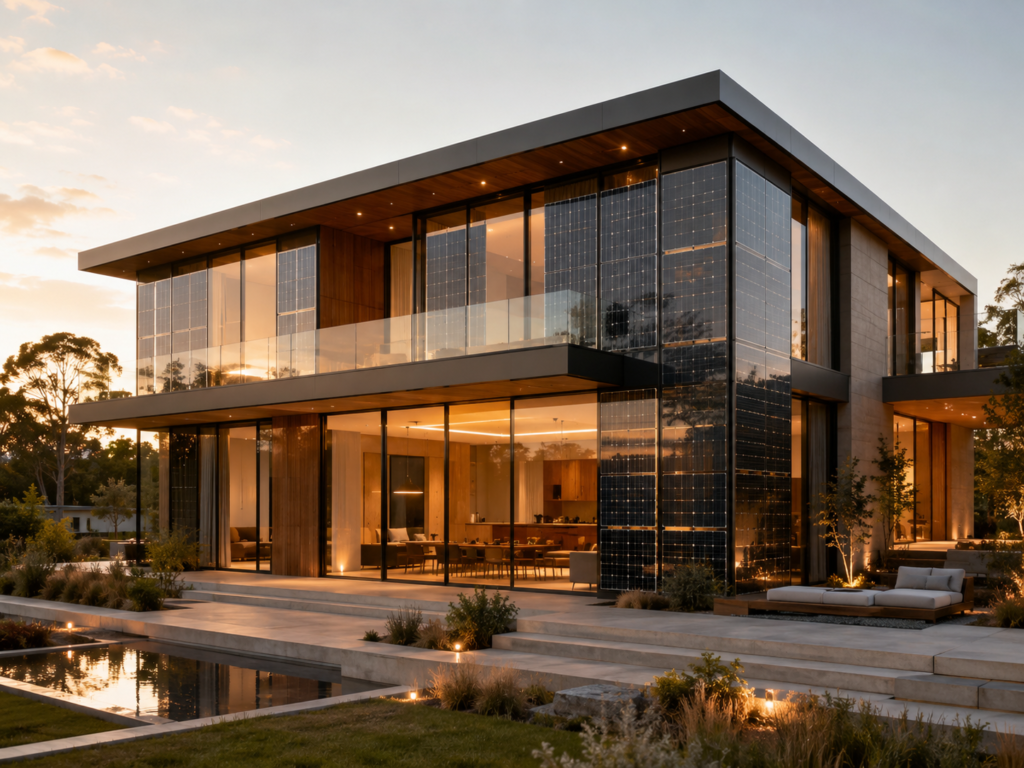
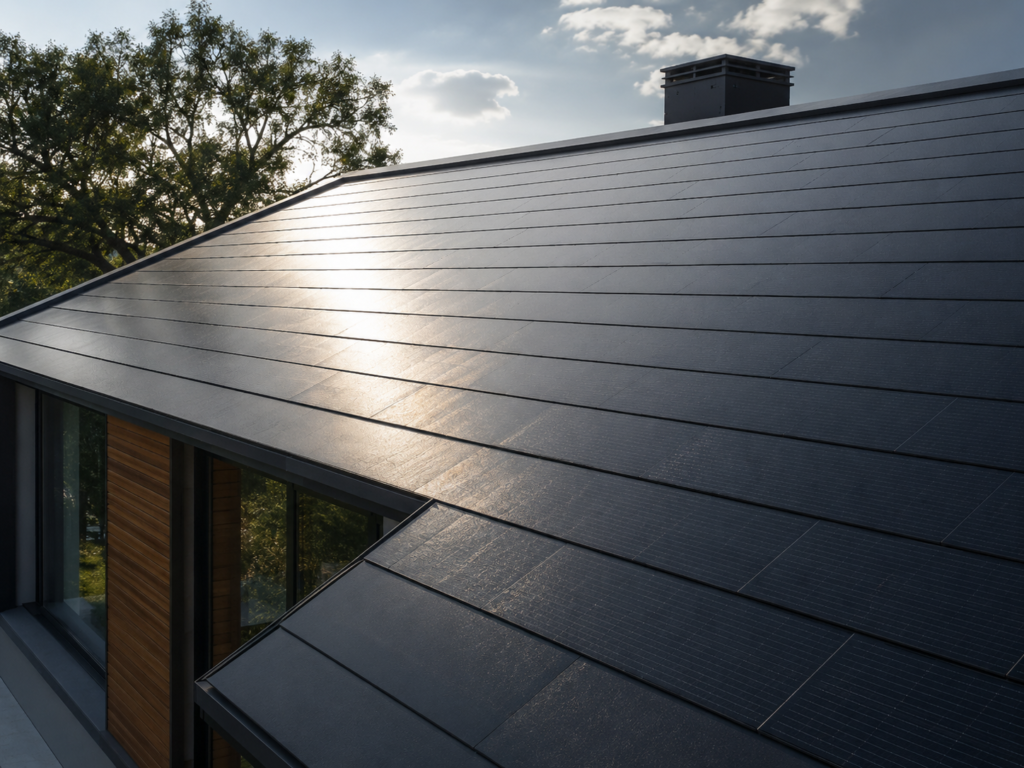
BIPV (Building-Integrated Photovoltaics) completely changes the rules of the game. Instead of adding panels on top of building materials, the building materials themselves become photovoltaics.
How does this work in practice?
- Solar Roof Tiles: These have the look and feel of classic roofing tiles (terracotta, slate, or modern concrete) but conceal power-generating cells inside. The roof remains beautiful while becoming highly productive.
- Energy Facades: Cladding materials that collect solar radiation can be integrated into the vertical surfaces of the house, which is ideal for buildings with limited roof space.
- Solar Glass: One of the most impressive modern innovations. These are semi-transparent or fully transparent windows that allow natural light to enter the space while absorbing ultraviolet and infrared radiation to generate electricity.
Integrating these technologies means your home transforms into a clean energy generator without making any compromises on its architectural design.
The “Brain” of the Home: Smart Storage and Artificial Intelligence
Generating energy is only half the equation. The other half, and perhaps the most critical, is managing it wisely.
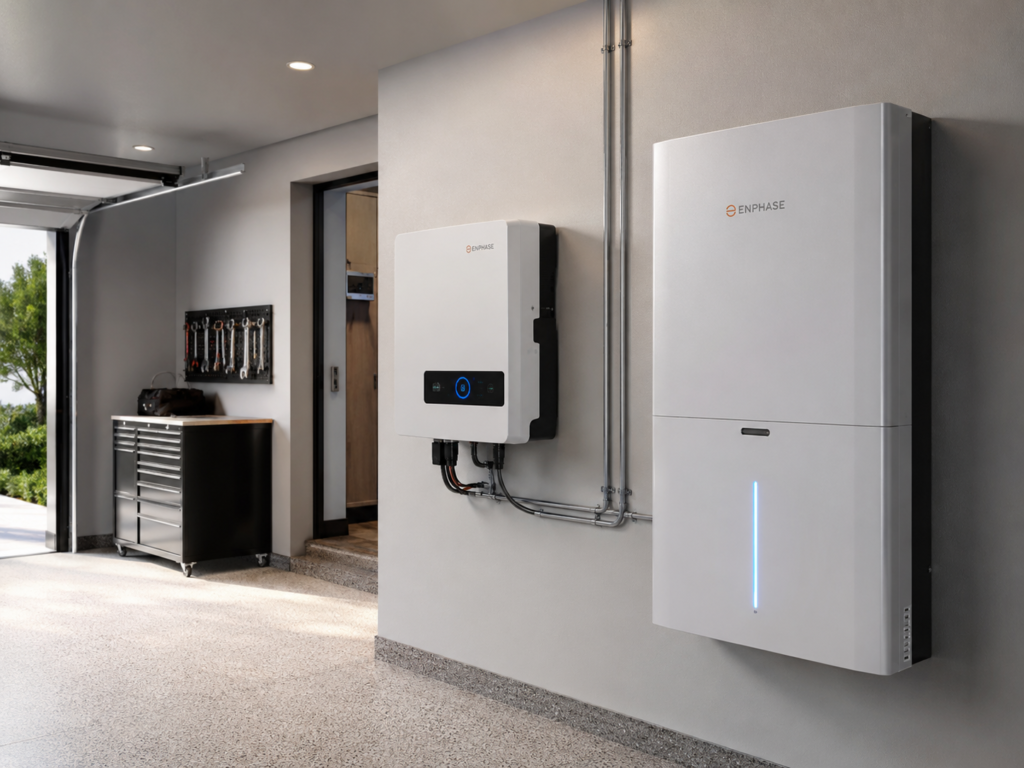
Solar power is abundant during the day. But the sun does not shine at night. At the same time, household energy demand often rises just as production begins to fall.This is where modern energy storage systems become essential. When enhanced by Artificial Intelligence, they can store surplus power when it is available. Then, they deliver it intelligently when it is needed most. A modern, technologically advanced home uses a central battery system. This is usually lithium-ion or, in newer applications, next-generation solid-state technology. The battery works together with a smart inverter.
But this system does not simply store electricity blindly. It learns, predicts, and manages energy in real time. It can respond to weather conditions, household habits, electricity prices, and grid demand. As a result, the home becomes more efficient, more independent, and better prepared for the future.
By analyzing real-time data, AI algorithms act as yourpersonal energy manager
- Weather Forecasting: The system can predict if tomorrow will be cloudy. If solar production is expected to drop, it keeps the battery fully charged today. This way, surplus energy is stored instead of being sold to the grid. As a result, the household has power available when it needs it most.
- Dynamic Pricing: In areas where electricity prices change throughout the day, AI can make smarter buying decisions. It can charge the batteries at night, when electricity is cheaper. Then, it uses that stored energy during peak hours, when electricity is more expensive.
- Load Distribution: The system identifies which appliances use the most energy, such as heat pumps or EV chargers. It then manages power distribution more efficiently. This helps prevent overloads and keeps the system running smoothly.
The result? Your home makes split-second decisions to eliminate your electricity bill, without you having to press a single button.
What Are the Real Benefits for the Homeowner?
Choosing these technologies during the construction phase is a strategic investment. The benefits are not limited to the building’s eco-friendly profile; they have a direct, measurable impact on your wallet and your daily life.
- Drastic Reduction in Operating Costs: Through self-production systems (like Net-Billing), the electricity you generate financially offsets what you consume. Paired with smart storage, energy bills are often reduced by 80-90%. Essentially, you are prepaying for the next 25 years of energy during construction.
- Absolute Aesthetic Superiority: BIPV eliminates the need for unsightly roof installations. The home’s design remains clean, modern, and luxurious.
- Skyrocketing Property Value: Energy efficiency is now a primary criterion in the real estate market. Energy efficiency is now a key factor in the real estate market. Homes with an A+ energy rating or Nearly Zero-Energy Building status stand out immediately. When combined with BIPV and smart energy management, they gain a strong resale advantage over conventional homes.
- Energy Security: Power outages and grid instability can disrupt daily life. With a battery storage system, your home can continue operating smoothly even when the grid is down. This gives you greater autonomy, reliability, and peace of mind.
Why Proper Integration Starts at the Blueprint
The biggest mistake many owners make is treating energy autonomy as an “afterthought.” They try to retrofit panels and batteries into a house built to old standards.
The true magic of BIPV and smart storage shines when they are planned before the first foundation is even poured. A modern construction company approaches the project holistically:
- They study the plot’s orientation and shading to place solar glass and tiles in locations that yield maximum efficiency.
- They design dedicated, climate-controlled plant rooms into the blueprints to house the battery and inverter equipment.
- They utilize BIM (Building Information Modeling) technologies to map out the wiring routes in 3D, avoiding errors and extra costs during the construction phase.
The Home of Tomorrow is Built Today
BIPV and AI energy storage technologies are no longer science fiction or experimental concepts. They are the new building standards. Investing in these technologies when constructing your new home doesn’t just guarantee a lower carbon footprint. It ensures a living space that is truly smart, financially independent, and architecturally flawless.
Choosing the right construction partner—one with the expertise to implement these innovations from the initial design all the way to the turnkey handover—is the most crucial step in turning this vision into reality.