
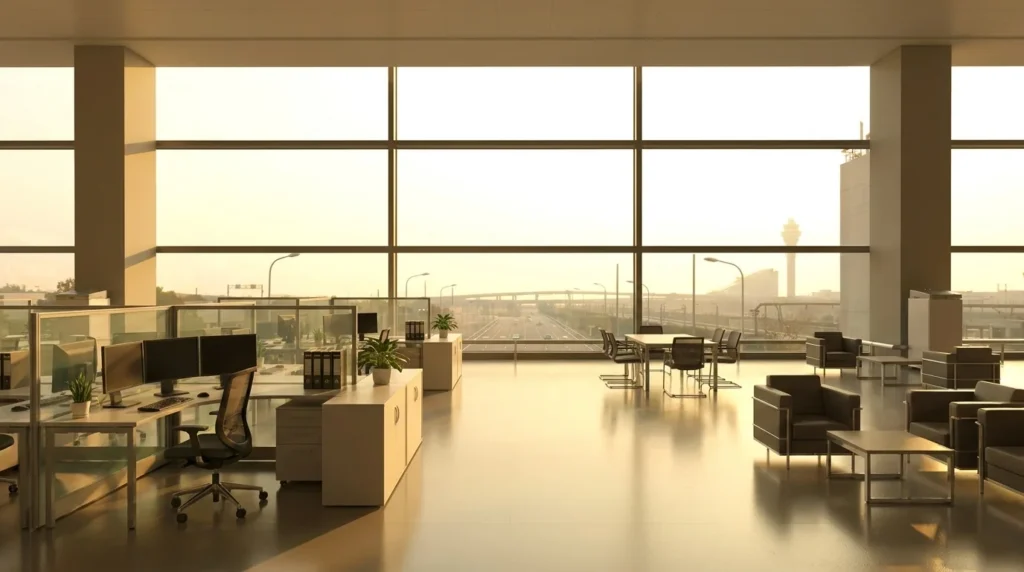
When we think of the ideal workspace, our minds often go to modern tech equipment, ergonomic furniture, and contemporary decor. However, there is one structural element that, although it is completely free and intangible, determines the quality of the work environment more than anything else: natural light in the workplace.
In the past, the design of commercial buildings focused mainly on maximizing usable space, often leading to claustrophobic offices entirely dependent on artificial lighting. Today, the philosophy in the construction industry has radically changed. As a company that builds spaces where people spend most of their day, we know that proper management of natural light is not just an architectural trend, but a fundamental necessity.
Below, we break down the reasons why integrating natural light is a primary goal in every modern commercial building.
1. Improving Employee Health and Well-being
By nature, we operate in perfect harmony with sunlight. It is the natural regulator of our internal clock, which directly determines how well we sleep, how much energy we have at work, and how our hormones are balanced.
- Better sleep: Research shows that employees in offices with windows and ample natural light sleep an average of 46 minutes more each night compared to those working in windowless environments. A rested employee is a healthy employee.
- Reducing eye strain: Constant exposure to artificial light and computer screens causes eye strain and frequent headaches. Natural light provides a balance that rests the eyes.
- Psychological uplift: Sunlight stimulates the production of serotonin, the “happiness hormone.” Spaces bathed in light reduce stress levels and create a positive atmosphere .
2. Skyrocketing Productivity
For a business, the workspace is a growth tool. Natural light in the workplace has a direct impact on team performance. According to studies, productivity in spaces with abundant natural lighting increases significantly, while error rates simultaneously decrease.
When the brain receives natural light, it enters a state of alertness. Employees feel less drowsy in the afternoons, concentrate more easily, and perform better on demanding mental tasks. Furthermore, a pleasant environment reduces absenteeism due to illness or burnout, ensuring the smooth operation of the business.
3. Energy Savings and Sustainability
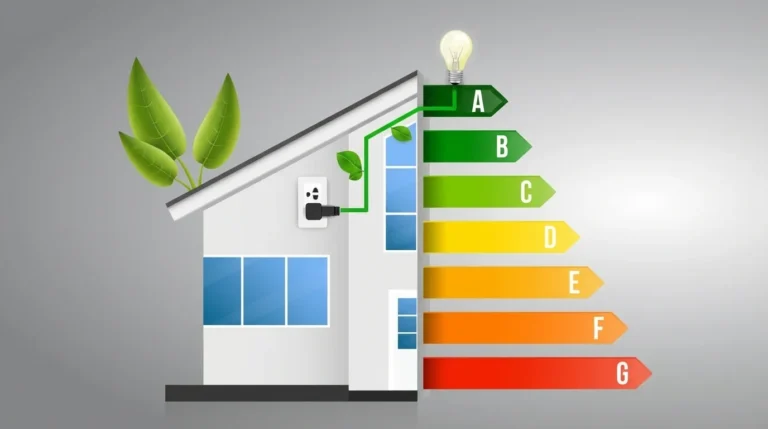
One of the core pillars of modern construction is sustainability. Smart utilization of natural light drastically reduces the need for artificial lighting during the day. This translates to:
- Green Certifications: Buildings that meet high standards for natural lighting and energy efficiency receive certifications (such as LEED or BREEAM), which dramatically increase their real estate value.
- Lower electricity bills: Energy consumption for lighting and heating/cooling can be significantly reduced in a properly designed building.
- Reduced environmental footprint: By constructing buildings that “cooperate” with the environment, we contribute to reducing carbon dioxide emissions.
4. How Construction Science Ensures Natural Light
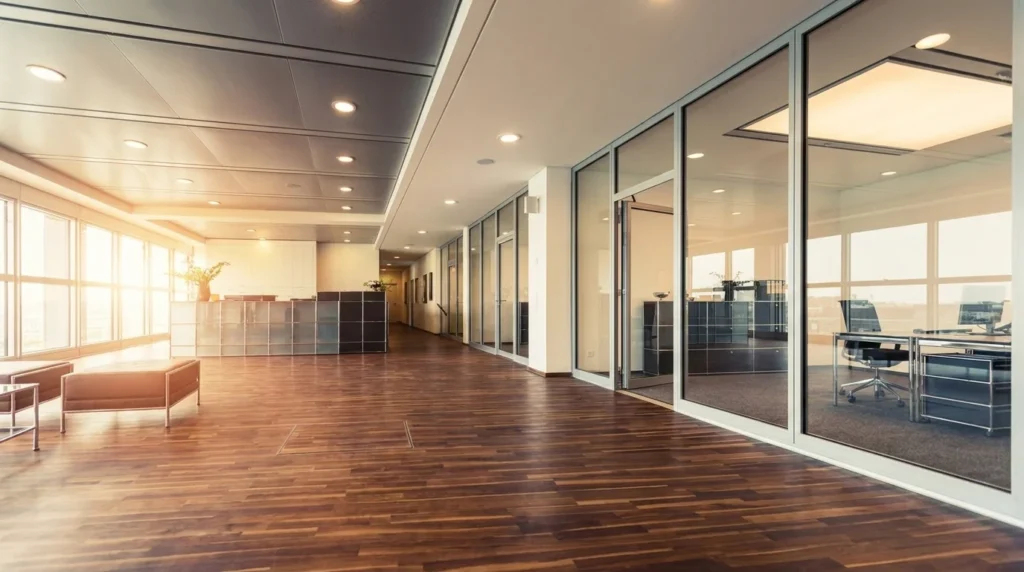
Creating a bright building doesn’t just mean “adding more windows.” Careful architectural and construction planning is required to ensure lighting without causing glare issues or summer overheating. As builders, we implement specialized practices:
- Building Orientation: Before the foundations are even laid, we study the sun’s path. Workspaces are often placed on the north or east sides for steady, indirect light, while the south sides are shielded with special shading systems.
- High-Tech Glazing: We use energy-efficient glass that allows light to pass through but blocks ultraviolet (UV) radiation and excessive heat. Thus, the space is bright but remains cool.
- Interior Layout (Open Plan & Glass Partitions): Instead of walls that trap light, we suggest open spaces and crystal partitions. This way, light from perimeter windows diffuses right to the building’s core.
- Atriums and Skylights: In deep buildings or industrial spaces, installing roof openings brings light directly from above, eliminating dark corners.
- Light Shelves: Special architectural elements placed at windows that “bounce” sunlight towards the ceiling, diffusing it deeper into the room.
Conclusion: Building with a Human-Centric Approach
The era when offices were just “boxes” with fluorescent lights is gone for good. Today, natural light is perhaps the most valuable building material.
As a construction company, our philosophy is clear: We don’t just construct buildings; we create living environments. By meticulously studying lighting, materials, and ergonomics, we deliver projects that not only stand the test of time but enhance well-being, inspire creativity, and skyrocket the productivity of the people who use them.
Investing in a workspace designed around natural light is, ultimately, an investment in the very future and success of your business.