
The Art of Contrast: How to Combine Wood and Metal in Your Home Decor
In the world of interior design, magic often lies in contrasts. One of the most timeless and exciting combinations is “marrying” the organic warmth of wood with the industrial coolness of metal. This dynamic duo can transform a space, giving it character, elegance, and a sense of modern luxury or rustic charm, depending on how it is used.
This combination isn’t just a passing trend. It reflects our need to bring nature indoors (through wood) while embracing structure, durability, and modern aesthetics (through metal). But how can we achieve the perfect balance without the space looking cluttered or overly “harsh”? Let’s look at the basic rules and ideas for harmoniously integrating these two materials into your home.
1. The Rule of Dominance: Find the Balance
The most common mistake when combining different materials is trying to use them in equal proportions. A room that is 50% wood and 50% metal often looks divided and visually confusing. The secret is to choose a dominant material and use the other as an accent.
- When wood dominates: If your floors, large furniture (like the dining table or sofa), and bookcases are primarily wooden, use metal to give the space “room to breathe.” Metal light fixtures, door knobs, coffee table legs, or metal frames create beautiful details that break up the monotony of the wood without overshadowing it.
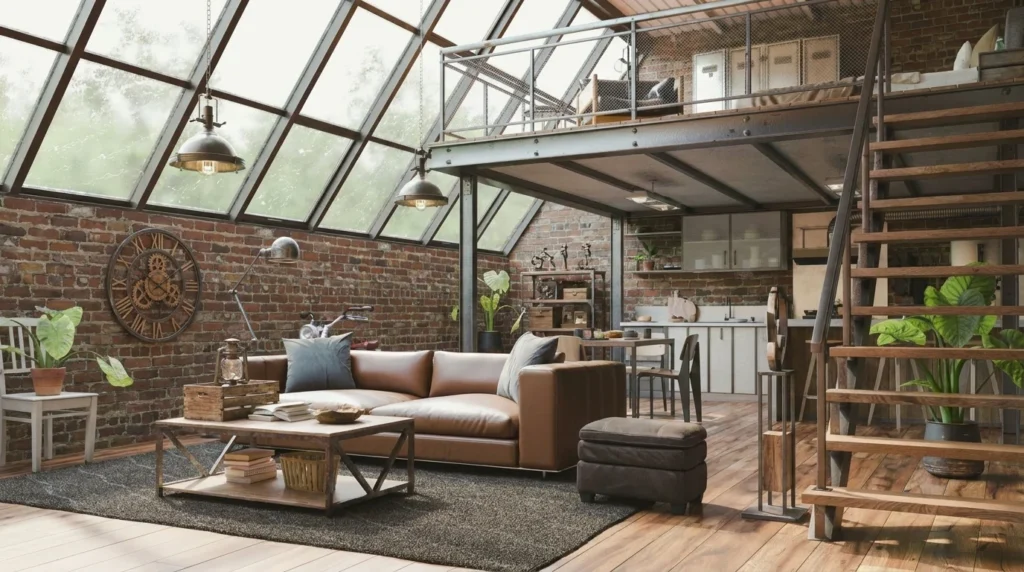
- When metal dominates: In spaces with a strong industrial vibe, where metal shelves, exposed aluminum or iron elements, and gray/black shades take center stage, wood is essential to “warm up” the atmosphere. A large raw wood table, wooden stools, or even wooden decorative bowls can make the space much more welcoming.
2. Playing with Textures: Raw Meets Smooth
Contrast shouldn’t be limited only to the type of material, but also its texture. Visual interest skyrockets when you combine surfaces that feel different to the touch.
- Rustic Wood and Glossy Metal: Imagine a table made of aged, reclaimed wood with its grain and knots fully visible. If you add glossy chrome or brass legs to this table, you create a striking contrast between raw nature and absolute elegance.
- Smooth Wood and Matte Metal: A flawlessly sanded and varnished walnut bookcase looks exceptionally modern when its frame is made of black, matte metal (powder-coated steel). This combination exudes calmness and minimalism.
3. Matching Tones and Colors
Woods and metals come in a massive variety of shades. While you can experiment, certain combinations are considered classic and highly harmonious:
- Warm Woods and Warm Metals: Woods with red or yellowish undertones (like cherry, mahogany, or warm oak) pair wonderfully with metals like copper, bronze, and gold/brass. This combo radiates luxury and traditional grandeur.
- Cool Woods and Cool Metals: Woods with grayish or very light undertones (like bleached wood, ash, or cool walnut) stand out next to silver, aluminum, chrome, and stainless steel. It is the epitome of Scandinavian and minimalist aesthetics.
- The Black Touch: Matte black metal (especially iron) is the “chameleon” of decoration. It literally goes with all types of wood, from the lightest pine to the darkest wenge, always adding a dose of contemporary design.
4. Applications in Every Room
The way you integrate the combination differs depending on each room’s function:
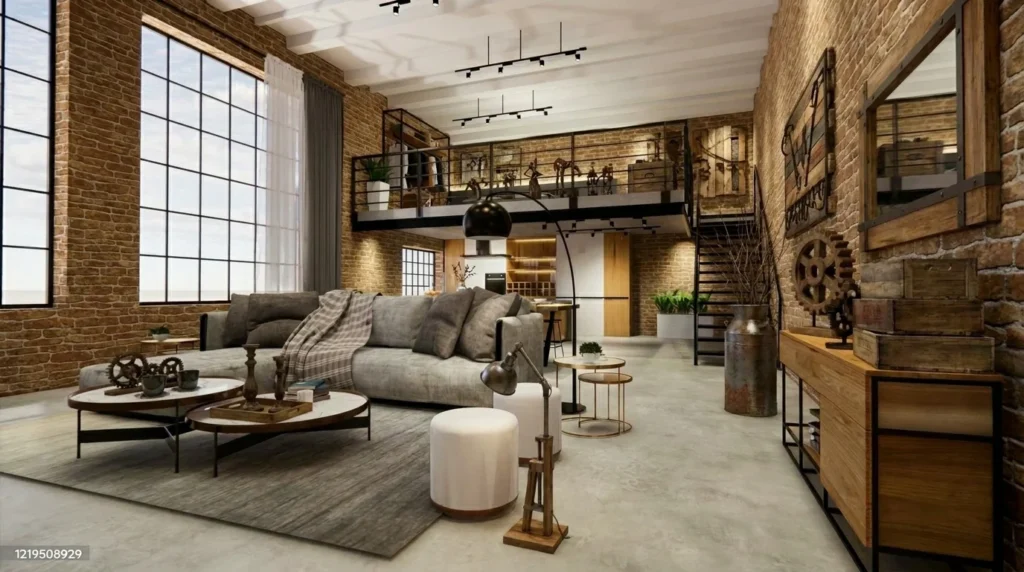
In the Living Room: Here the options are endless. A coffee table with a solid wood surface and a metal base is perhaps the safest and most stylish choice. You can also opt for wall shelves where the boards are wooden and the brackets are metal. Floor lamps that combine a wooden stem with a metal shade (or vice versa) are also very popular.
In the Kitchen: The kitchen is the ultimate space where wood and metal coexist. Stainless steel appliances break up the uniformity of wooden cabinets. To take the decor a step further, consider swapping cabinet knobs for contrasting metal ones (e.g., matte black knobs on light wood cabinets). If you have a kitchen island, bar stools with a metal frame and a wooden seat are an excellent choice.
In the Bedroom: Here we primarily want relaxation, so wood should dominate to maintain warmth. A wooden bed can be beautifully paired with metal nightstands or wall-mounted metal reading sconces. Avoid very heavy or “harsh” metals here and opt for more delicate lines.
5. The Power of Details
You don’t need to make major furniture changes to bring this trend into your home. The combination can be achieved just as impressively through accessories.
- Place wooden picture frames next to metal candlesticks on the mantelpiece.
- Hang a mirror with a heavy wooden frame above a metal console in the hallway.
- Combine wooden serving trays with metal fruit bowls in the dining room.
Conclusion
Combining wood and metal doesn’t follow strict rules, but relies on your personal taste and the vibe you want your space to exude. The secret to success is harmony through contrast. Let one material be the protagonist and the other play a supporting role. Experiment with textures and shades, and you’ll soon discover that these two very different elements of nature and industry can create a space full of style, balance, and timeless beauty.