
Micro-Apartments: The New Trend in Urban Living and How to Capitalize on It
Urban development and rapid population growth in major cities have created new challenges, but also new opportunities in the real estate sector. As the cost of living in urban centers rises, the need for affordable, functional, and smart housing becomes imperative. In this context, “micro-apartments” are emerging as one of the most dynamic and innovative trends in modern real estate and construction.
But what exactly are micro-apartments, and how can a modern construction company, as well as investors, capitalize on this new reality?
What are Micro-Apartments?
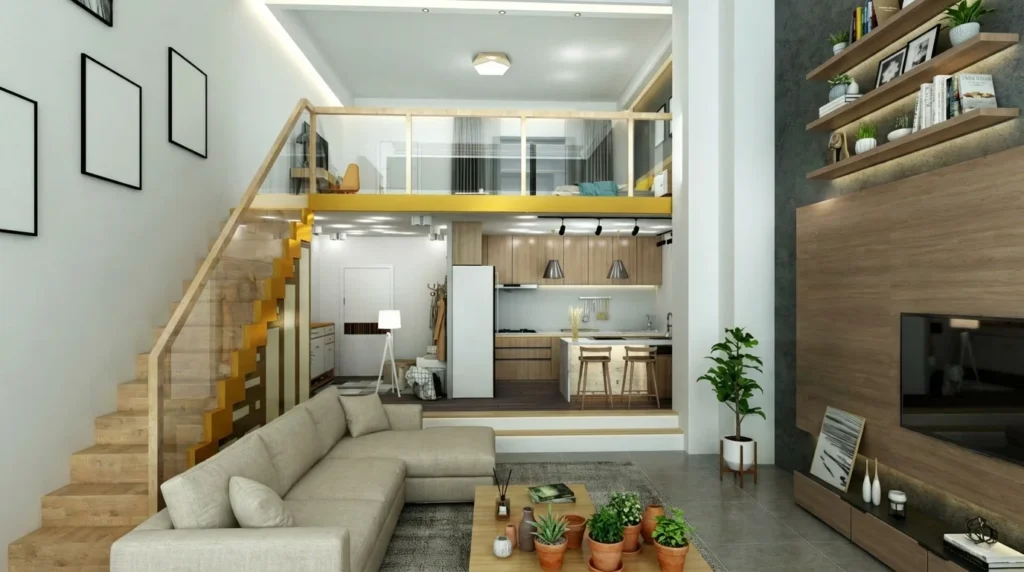
A micro-apartment is a self-contained, open-plan living space, typically ranging from 15 to 35 square meters (approx. 160 to 375 square feet). Unlike traditional small studios, micro-apartments are designed with an absolute focus on ergonomics and the smart use of space.
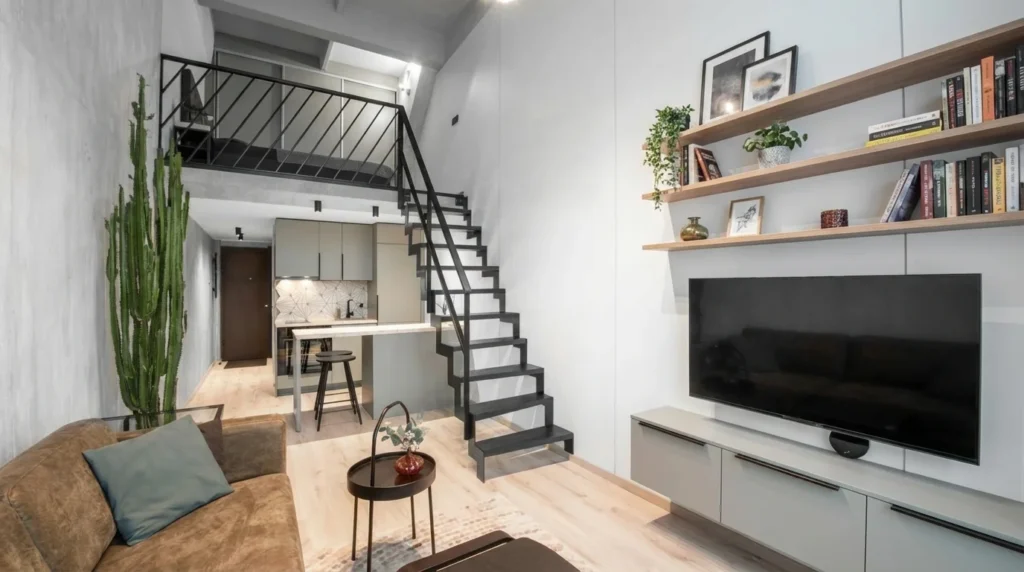
They include a fully equipped kitchen, a bathroom, and an area that simultaneously functions as a living room, dining room, and bedroom. Their success relies on multifunctional design: wall-mounted Murphy beds, tables hidden inside cabinets, built-in appliances, and storage spaces that exploit every centimeter (even the room’s height).
Often, buildings housing micro-apartments offer extensive co-living spaces, such as gyms, roof gardens, co-working areas, and communal laundry rooms, thereby offsetting the small size of the private space with upgraded social amenities.
Why Are They Gaining Ground?
The rise of micro-apartments isn’t just a fad; it’s an answer to real socio-economic needs:
- Affordability: In areas where rents are out of reach, micro-apartments offer a financially viable solution for living in the city center.
- Lifestyle Shifts: Younger generations (Millennials and Gen Z) often prioritize experiences and central locations over square footage. They embrace minimalism and spend less time at home.
- Rise of Single-Person Households: Globally, the number of people living alone is increasing, creating a higher demand for smaller, individual spaces.
How to Capitalize on Them (From a Construction & Investment Perspective)
For the construction industry, micro-apartments offer an excellent opportunity to optimize property yields. Here is how you can leverage them:
1. Maximizing Plot Yield (ROI)
By building more small units instead of a few large ones within the same building plot ratio, the number of available properties for rent or sale increases. This usually translates to a higher overall yield per square meter for investors, making the project highly attractive.
2. Targeting Specific Audiences
Micro-apartments cater to very specific (yet large) target groups. Constructions can be strategically tailored for:
- Students: Near university campuses, offering safe and modern housing.
- Young Professionals: In commercial hubs, for those wanting to reduce commute times.
- Digital Nomads: Providing high-speed internet and flexible contracts, combining privacy with co-working spaces.
3. Emphasis on Smart and Quality Design (Value Engineering)
For a micro-apartment project to succeed, the construction company must invest heavily in design. Build quality matters more than ever.
- Natural Light: Large windows are essential to prevent the space from feeling claustrophobic.
- Soundproofing: As tenant density is higher, excellent sound insulation is a crucial quality-of-life factor.
- Integrated Technology (Smart Home): Adding automation (lighting, heating, smart locks) makes a small space feel ultra-modern and premium.
4. Repurposing Older Buildings (Renovation/Change of Use)
One of the biggest opportunities lies in retrofitting old commercial buildings or downtown offices and converting them into micro-apartment complexes. It’s a sustainable way to revitalize the urban fabric, offering solutions to the housing problem with a lower environmental footprint compared to entirely new constructions.
Conclusion
Micro-apartments do not mean compromising on quality of life. On the contrary, when designed and built with modern architecture and ergonomics in mind, they offer a condensed, high-end way of living. For our company, engaging in this type of construction is not just following a trend, but a strategic move toward the future of sustainable urban development. Whether you are an investor seeking high returns or a professional looking for the ideal spot in the center of the action, micro-apartments present a solution with massive potential.