5 Myths Buyers Shouldn’t Believe about new-built homes
Myth #1: All new-build homes are the same quality
Reality: Quality varies greatly by developer, subcontractors, and how specs are implemented on site—not just what’s written.
What to verify:
- Full technical spec (insulation, windows/doors, MEP—mechanical, electrical & plumbing).
- Named brands for key materials (window profiles & glazing, heat-pump model, etc.).
- Warranties and a clear process for fixing defects.
- Execution details: waterproofing to roofs/balconies, expansion joints, acoustic insulation.
Red flag: vague phrases like “premium materials” with no actual specifications.
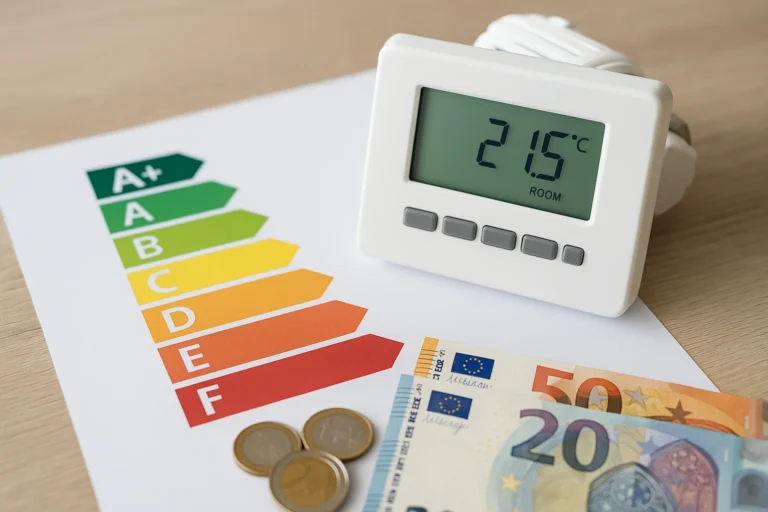
Myth #2: Energy Class A/A+ doesn’t change much.
Reality: Class of the new-build homes affects bills, comfort, and resale value.
What to verify
- Draft/documented EPC (Energy Performance Certificate)—not just a line in the listing.
- Envelope: insulation type/thickness, treatment of thermal bridges, low U-values on windows/doors.
- Systems: heat pump, underfloor heating, mechanical ventilation (where specified).
- Smart control: zoned thermostats and schedules.
Rule of thumb: If the price premium comes with documented savings and comfort, it’s worth it.
Myth #3: More square metres = better value
Reality: Function beats size. A poor layout wastes area.
What to verify
- Usable sq m from a dimensioned floor plan (not just gross).
- Circulation and storage, orientation and daylight.
- Value drivers: dedicated parking, storage room, lift, EV-ready wiring.
Quick test: Would you live comfortably with fewer but smarter sq m? If yes, the “extra” metres may not be worth paying for.
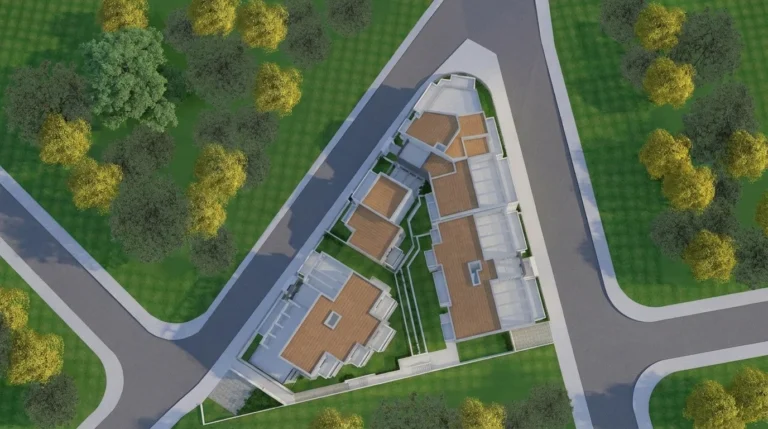
Myth #4: Location matters less — the area will “come up”
Reality: Micro-location (noise, traffic, immediate surroundings) determines daily life and future value.
What to verify
- Visit at three times of day (morning/afternoon/evening).
- Parking ease, noise levels, sun/shade, street gradients.
- Real walking distances to transit/schools/services.
- Planned works nearby (can help—or hurt—value).
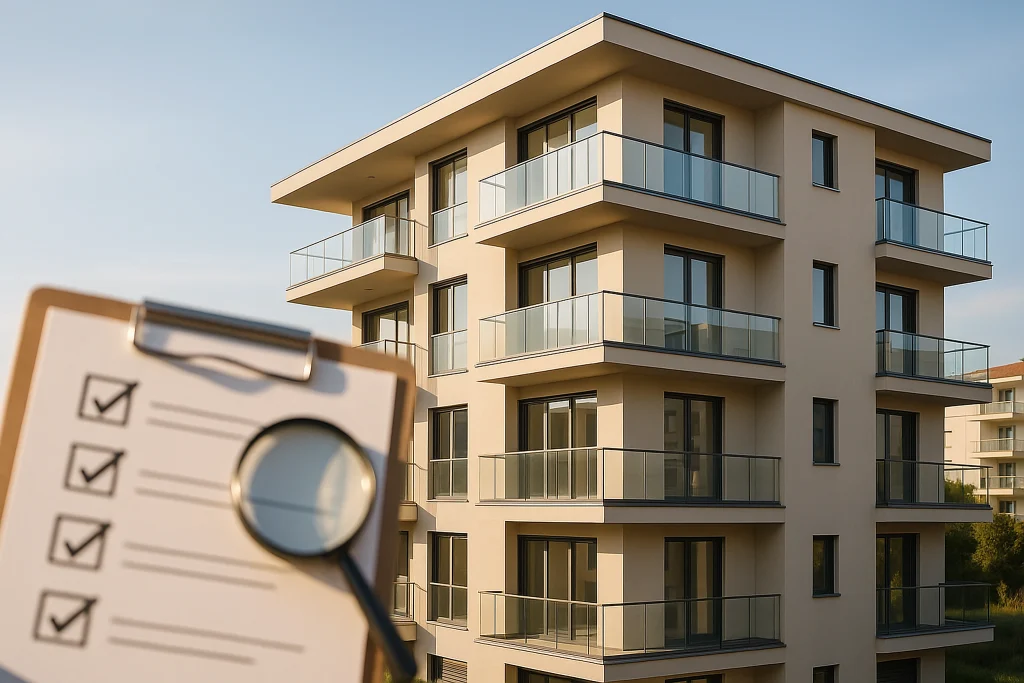
Myth #5: It’s brand new—no need to hire an engineer.
Reality: A professional snagging inspection before handover saves time and money.
Have a specialist check
- Moisture and thermal bridges, balcony slopes, hairline cracks.
- MEP: electrical panels & grounding, plumbing, traps/drains.
- Window/door quality and installation; heating/cooling systems under load.
How-To: 5 steps before you make an offer
- Collect documents: technical spec, dimensioned floor plan, draft EPC.
- Assess location: three visits; note noise/parking/sun & shade/transit.
- Technical due diligence: engineer to inspect envelope/MEP/waterproofing.
- Run a CMA: compare 3–5 similar properties in the same micro-neighbourhood.
- Negotiate: use documented findings to set conditions/repairs/price.