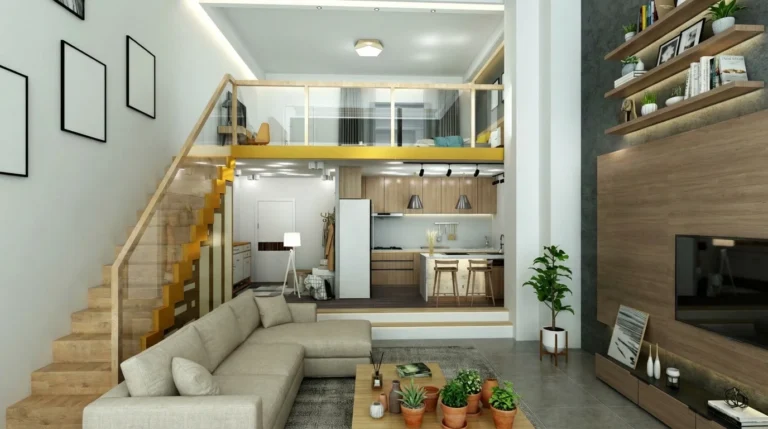

The concept of home has always been deeply intertwined with the feeling of safety and comfort. For decades, securing a house relied mostly on passive measures: a sturdy door, heavy locks, window bars, and, at best, a traditional alarm system that triggered a siren during a break-in.
Today, the evolution of technology and the rise of the Smart Home are radically shifting the landscape. Next-generation security systems are no longer just tools for recording or alerting you after the fact; they are integrated, proactive ecosystems that think, predict, and react in real time.
As a construction company, we see every day that security is not an “accessory” to be tacked on at the end, but a core structural component of modern architecture. In this article, we will break down the cutting-edge technologies defining the future of home security and how you can seamlessly integrate them into your own property.
1. Artificial Intelligence (AI) and Edge Computing in Security Cameras
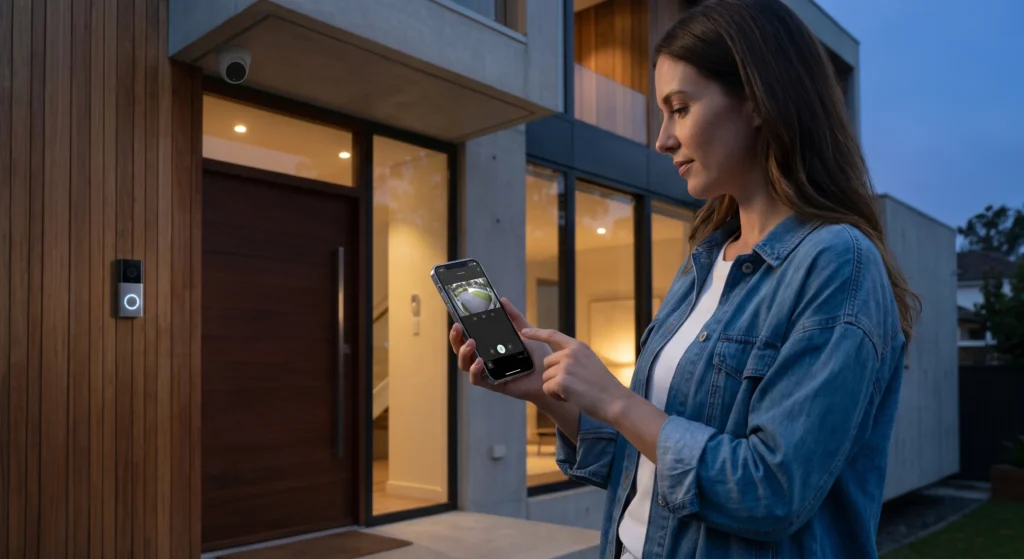
Older security cameras recorded endless hours of video, piling up hard drive space, and often sent annoying false alerts to your phone every time the wind blew or a stray cat walked by. Artificial Intelligence (AI) has completely solved this problem.
Modern smart cameras feature advanced Computer Vision algorithms that allow them to accurately distinguish between:
- Humans: They recognize silhouettes and movement, while more advanced models feature facial recognition technology, instantly separating family members from strangers.
- Vehicles: They can detect if a car has pulled into your driveway and log its license plate.
- Pets: They ignore the movement of your furry friends, virtually eliminating false alarms.
Furthermore, the new generation of systems relies on Edge Computing. This means that data and video processing happen locally on the camera itself or on a central home server, rather than in a remote cloud. This delivers two massive advantages: lightning-fast response times (measured in milliseconds) and absolute privacy protection, as your video feeds do not constantly travel across the internet.
2. Biometric Control and Keyless Entry
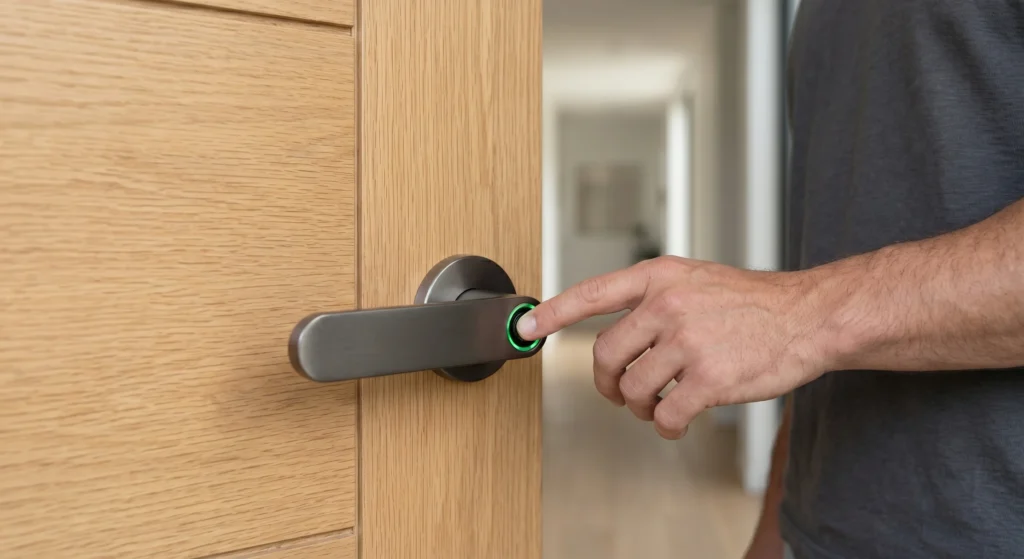
The traditional physical key is quickly becoming a thing of the past. Next-generation smart locks have transformed the main entrance of the home into a digital fortress, while offering unparalleled convenience.
The Convenience of a Keyless Daily Routine
Imagine returning from the supermarket with your hands full of grocery bags, and the door automatically unlocks as you approach, recognizing your smartphone via Bluetooth or Ultra-Wideband (UWB) technology.
Biometric access methods include:
- Fingerprint Recognition: Embedded sensors on the door handle that unlock the mechanism in less than a second.
- 3D Facial Recognition: Technology similar to that found in modern smartphones, which cannot be fooled by a photograph.
- One-Time Digital Keys: Through a dedicated app, you can send a temporary PIN or access link to a courier, a technician, or a guest, valid only for specific hours of the day.
3. The Power of IoT: Integrated Ecosystems
A next-generation security system does not operate in isolation. Its true power lies in its ability to communicate with every other device in the house through the Internet of Things (IoT) and modern protocols like the global Matter standard.
This connectivity enables the creation of automation “scenarios” that boost deterrence:
- Vacation Mode: When you are away on a trip, the house “pretends” to be full of life. Smart lights turn on and off in different rooms, motorized blinds go up and down, and the TV or sound system activates at random intervals to discourage potential intruders.
- Emergency Scenario: If an outdoor motion sensor detects an intruder at 3:00 AM, the system doesn’t just trigger the siren. It can instantly turn on all outdoor floodlights (panicking the intruder), lock internal security doors, and stream live video to your phone, waking you up with a unique, high-intensity alert tone.
4. Proactive Security and Next-Gen Sensors
The philosophy of modern systems has shifted from damage control to prevention. The ultimate goal is to intercept the threat before an intruder ever sets foot inside the house.
mmWave Radar Sensors: Detect presence through micro-movements like breathing, mapping the space in 3D without being affected by darkness, fog, or heat.
AI Glass Break Sensors: Do not just rely on vibrations; they “listen” for the specific acoustic frequency of shattering glass, avoiding errors from loud street noises.
Laser Curtains (Perimeter Barriers): Create an invisible grid of protection around the property line or balcony. If crossed, the system triggers an immediate pre-alarm.
Additionally, next-generation security encompasses protection against natural disasters or accidents. Smart moisture sensors placed under plumbing fixtures can instruct an electronic valve to automatically shut off the main water supply in the event of a leak, saving the home from flooding. Advanced smoke and carbon monoxide detectors operate on the exact same proactive principle.
5. Cybersecurity: Protecting the Digital Perimeter
As our homes become smarter and more connected, security is no longer just about physical walls—it is also about protecting your digital network. A security camera with a weak password can become a backdoor for hackers, giving them access to your private life or your home Wi-Fi.
Top-tier next-generation security systems invest heavily in cybersecurity, integrating:
- End-to-End Encryption (E2EE): Ensures that no one—not even the manufacturer of the system—can view your videos or data.
- Two-Factor Authentication (2FA): Requires an extra code (e.g., via SMS or an authenticator app) for any changes made to the system’s settings.
- Over-The-Air (OTA) Updates: Devices automatically patch themselves against new digital threats without requiring your manual intervention.
6. Designing Security from the Ground Up: The Construction Company’s Role
Many homeowners make the mistake of thinking about their security system only after the construction of the house is finished. While wireless systems have improved significantly, wired infrastructure remains the king of reliability.
When we design and build a new home or execute a major renovation, we pre-plan for:
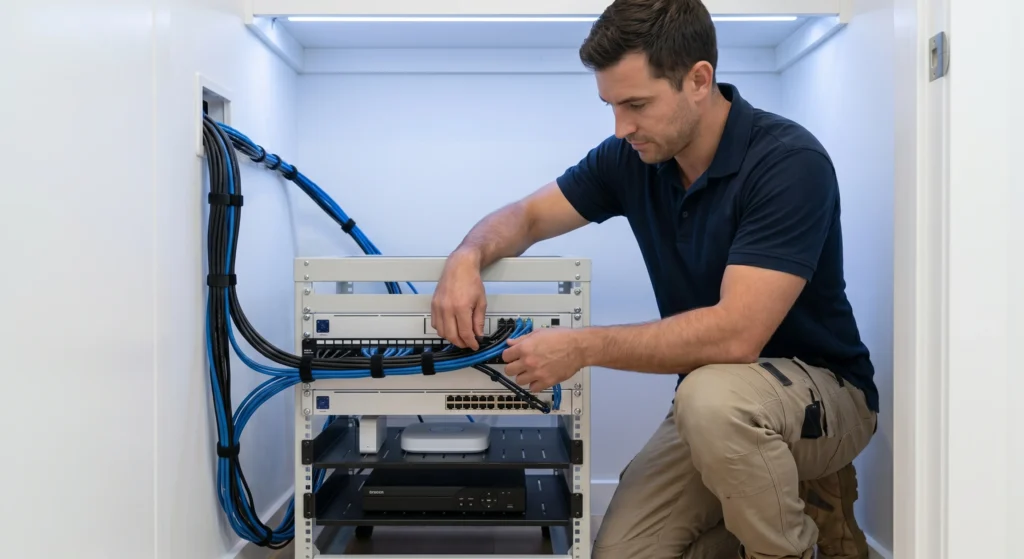
- Structured Cabling (PoE – Power over Ethernet): Allows cameras and recorders to draw power and transmit data through a single network cable. This eliminates the risk of Wi-Fi jammers, which are sometimes used by tech-savvy burglars.
- Central Control Point (Server Rack): A specially designed, hidden, and secure space where all hardware (recorders, routers, switches) is centralized.
- Uninterruptible Power Supplies (UPS): Ensure that the security system, cameras, and network continue to run flawlessly, even if an intruder cuts the main power supply from the outdoor electrical meter.
Conclusion
Next-generation security systems are no longer a luxury reserved for the few; they are an essential investment for every modern family. Shifting from the blind, reactive alarms of the past to the smart, proactive ecosystems of today delivers the most valuable asset of all: true peace of mind.
At our construction company, we believe a home is only truly beautiful when it is completely safe. Whether you are planning to build your dream home from scratch or want to upgrade your current property, our team of engineers and specialists is here to design a custom security layout, perfectly tailored to the needs of your daily life.