
Wood as a Building Material: Timelessness, Innovation, and Sustainability
In the rapidly evolving construction industry, the search for the ideal building material is an ongoing challenge. While the 20th century was characterized by the dominance of concrete and steel, the 21st century marks a dynamic return to our roots. Wood, perhaps the oldest building material, is not merely returning as a nostalgic choice, but is emerging as the ultimate protagonist of modern, green architecture.
For the modern construction industry, wood represents the golden mean between natural beauty, engineering excellence, and environmental responsibility. Below, we explore why wood is not just a current trend, but the foundation for the future of construction.
Timeless Value and Aesthetic Superiority
Humanity’s relationship with wood is deeply rooted in our DNA. From the first huts to elaborate Japanese temples standing proud for centuries, wood has proven its resilience through the passage of time.
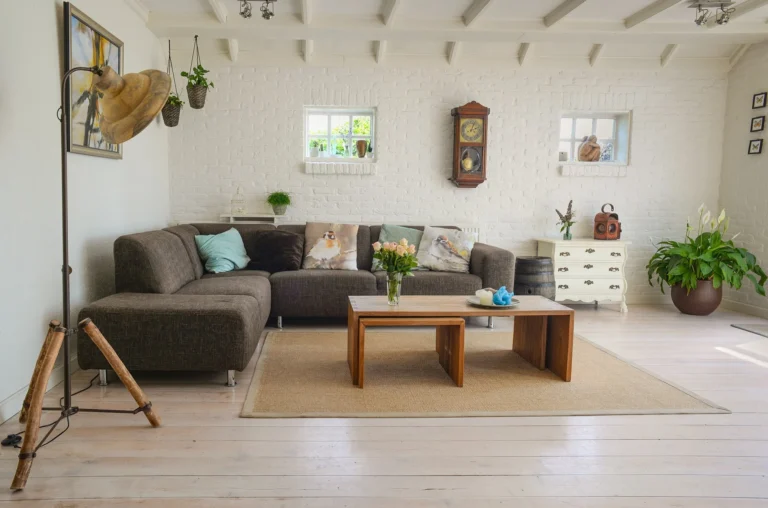
- Biophilic Design: According to modern studies, the presence of exposed timber in interior spaces reduces stress, lowers blood pressure, and improves productivity. Wood offers a sense of warmth and familiarity that no industrial material can replicate.
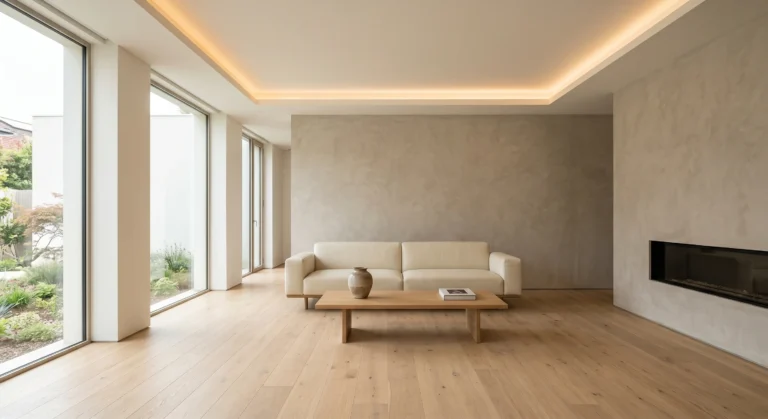
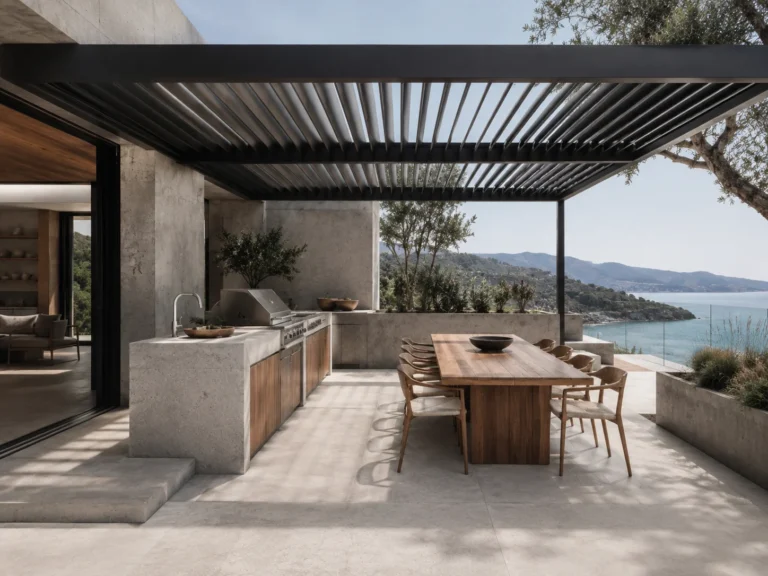
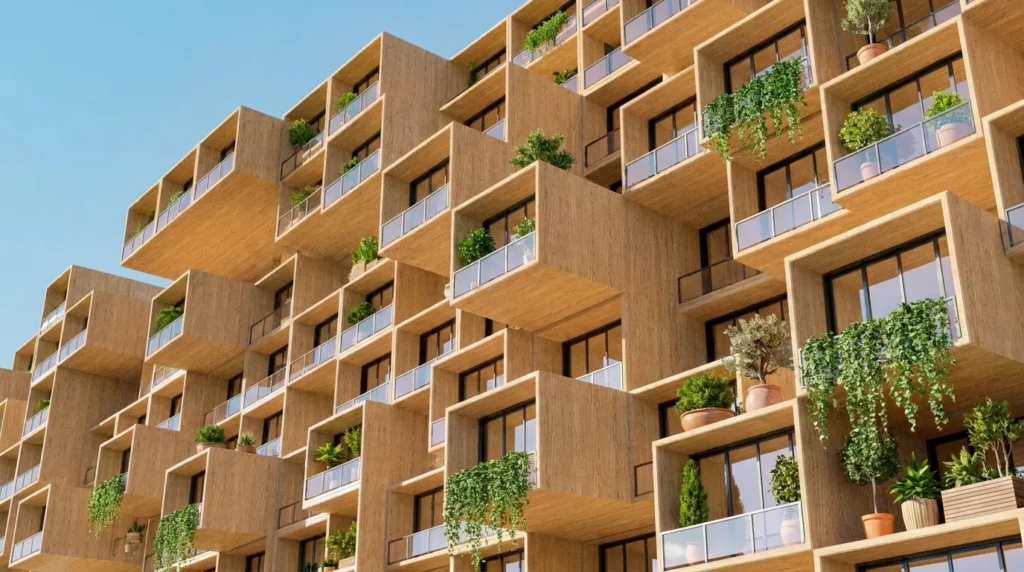
- Architectural Flexibility: From traditional chalets and classic roofs to modern, minimalist skyscrapers (the so-called “plyscrapers”), wood can take any form. Its texture, grain, and color variations make every structure unique.
Mechanical Properties: A “Giant” in Lightweight Packaging
One of the biggest misconceptions is that wood falls short in strength compared to conventional materials. Reality, however, debunks this myth, especially with the advent of engineered wood.
1. Strength-to-Weight Ratio: Wood possesses an excellent strength-to-weight ratio. It is lighter than concrete and steel, which means that the foundation requirements for a building are significantly lower. This reduces costs, construction time, and site disruption.
2. Seismic Performance: Due to its elasticity, wood behaves exceptionally well during seismic tremors. It can absorb and dissipate the energy of an earthquake much more effectively than rigid materials, making wooden structures exceptionally safe in earthquake-prone areas, such as Greece.
3. Fire Performance: Debunking the Myth: The idea that wooden buildings are “matchboxes” is perhaps the most widespread misconception. Modern large-section structural timber (such as CLT – Cross Laminated Timber and Glulam) exhibits excellent fire resistance. When wood burns, it creates an outer layer of char, which acts as natural insulation. This protects the inner core of the wood, allowing it to maintain its structural integrity for much longer compared to steel, which buckles abruptly at high temperatures.
Sustainability: The Material that “Breathes” and Protects the Planet
The construction sector is responsible for nearly 40% of global carbon dioxide emissions. This is exactly where wood makes the ultimate difference, offering a realistic way out of the climate crisis.
- Negative Carbon Footprint: Trees absorb CO2 during their lifetime. When timber is used in construction, this carbon dioxide is “locked” within the building for decades or even centuries. One cubic meter of structural timber can store approximately 1 ton of CO2.
- Low Embodied Energy: The energy required for logging, processing, and transporting wood is minimal compared to the energy consumed in cement and steel manufacturing plants.
- Renewable Resource: Unlike mineral materials that deplete, wood is a 100% renewable resource, provided it comes from sustainably managed certified forests (FSC, PEFC). For every tree harvested, new ones are planted, keeping the ecosystem alive and balanced.
- Circular Economy: At the end of a building’s life cycle, wood can be recycled, reused in other structures, converted into biomass for energy production, or ultimately biodegrade naturally without leaving toxic residues in the environment.
Modern Challenges and Technological Solutions
Of course, as an organic material, wood has specific requirements, mainly regarding moisture and biological threats (insects, fungi). However, modern construction science has provided definitive solutions:
- Processing and Modification: Through thermal and chemical treatments (e.g., Accoya wood, Thermowood), the cellular structure of the wood is altered. The result is an exceptionally dimensionally stable material that does not absorb moisture and is resistant to all types of decay, thus minimizing maintenance needs.
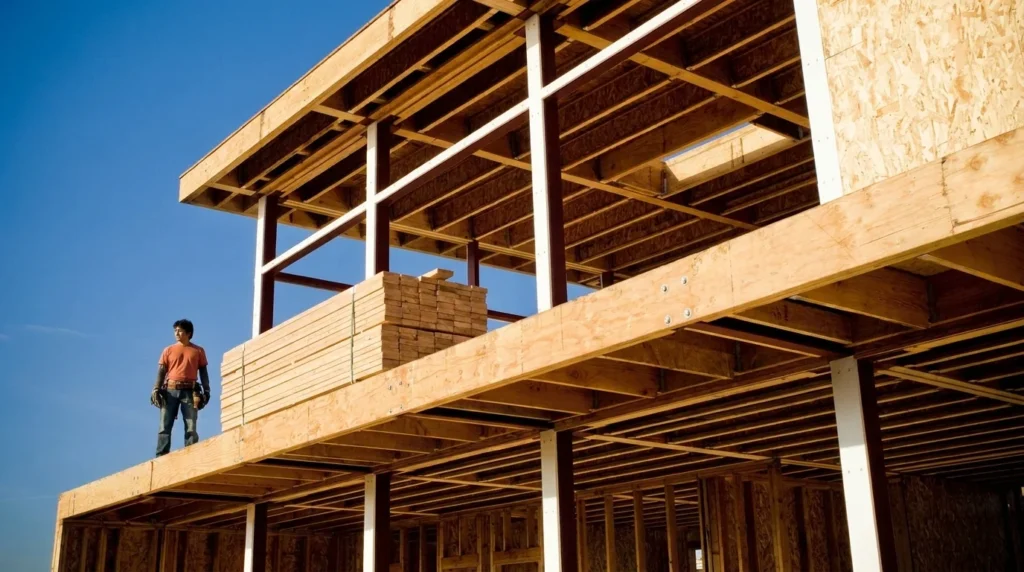
- Smart Design: Proper architectural planning protects the timber. Adequate roof overhangs, avoiding direct contact with the ground, and ensuring good ventilation guarantee the absolute longevity of the structure.
Conclusion: Building the Future with Respect
Wood is not just an alternative material; it is a conscious choice for the future of construction. It combines high aesthetics and warmth with top mechanical performance and, above all, the absolute protection of the environment.
As a construction company, we are committed to adopting practices that respect both people and the planet. Incorporating wood into our projects—whether as the main structural frame or as a cladding and architectural expression element—is a strategic choice for us. By investing in the innovation of engineered wood, we are building structures today that will not merely withstand the test of time, but will pass on a healthier planet to the next generations.