
How to Build an Eco-Friendly Home
We live in an era where climate change and rising energy costs have radically changed the way we think, live, and, of course, build our structures. Sustainable construction, also known as “Green Building,” is no longer just an alternative architectural trend. It is the new reality and the future of construction.
If you are planning to build your new home, choosing an eco-friendly approach is perhaps the smartest investment you can make. In this article, we will look at exactly what green building entails and the essential steps to getting a home that respects both the environment and your wallet.
What Really is Sustainable Construction?
Sustainable construction is a holistic approach to the design, construction, and operation of a building. Its goal is to minimize the environmental footprint, reduce the consumption of energy and natural resources, and create a healthy living environment.
It is not just about placing a few solar panels on the roof. It is about proper orientation, selecting the right building materials, water management, and the harmonious integration of the building into its natural surroundings.
5 Key Pillars for a Green Home
To build a truly ecological home, the construction process must focus on the following crucial points:
1. Bioclimatic Design
The first and most important step happens on paper, before the foundations are even laid. Bioclimatic design takes advantage of the local climate to provide natural heating in the winter and cooling in the summer.
- Orientation: Main spaces (living room, kitchen) are usually placed facing south to take advantage of sunlight in the winter.
- Shading: Special canopies and pergolas are designed to block the hot summer sun while allowing winter rays to warm the space.
- Natural Ventilation: The strategic placement of openings allows for the creation of air currents, reducing the need for air conditioning.
2. Excellent Thermal Insulation and Windows
A “green” home must be completely airtight. The energy produced for heating or cooling must not be lost to the environment.
- Using top-tier thermal insulation materials in the masonry and roof creates a “thermal shell” around the house.
- Energy-efficient aluminum frames with thermal breaks and double or triple energy glass are absolutely necessary to prevent heat loss.
3. Ecological and Sustainable Materials
Construction materials play a huge role. We choose materials that are recyclable, produced with low carbon emissions, and sourced from local suppliers (to reduce transportation pollutants).
- Timber from certified forests.
- Eco-friendly paints and varnishes without volatile organic compounds (VOCs), ensuring clean indoor air.
- Materials offering long-lasting durability, so continuous repairs or replacements are not required.
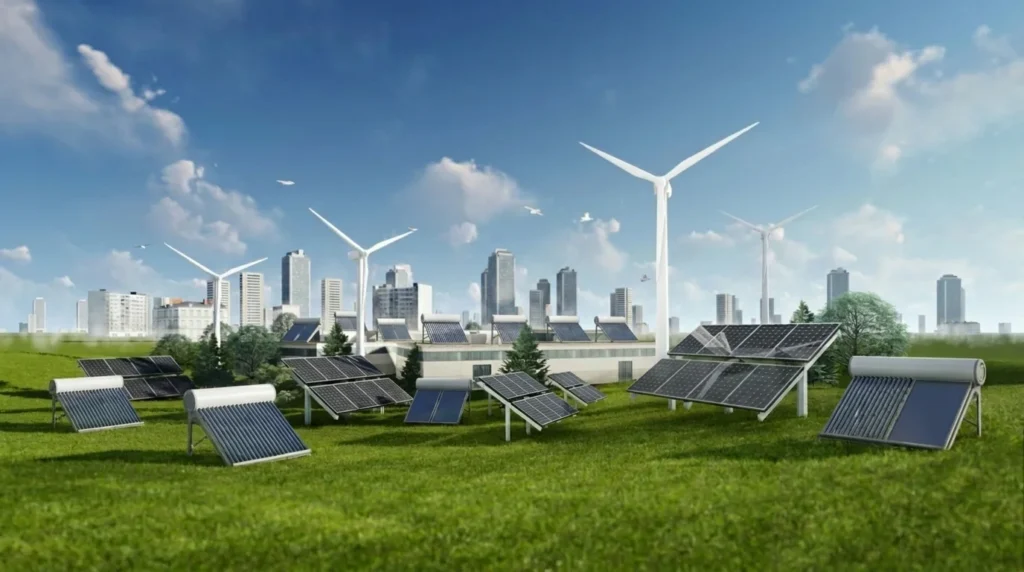
4. Renewable Energy Sources (RES) and High Efficiency
To function, a house needs energy. In sustainable construction, this energy must be as “clean” as possible.
- Heat Pumps: The most efficient way of heating and cooling, transferring energy from the environment to the inside of the house.
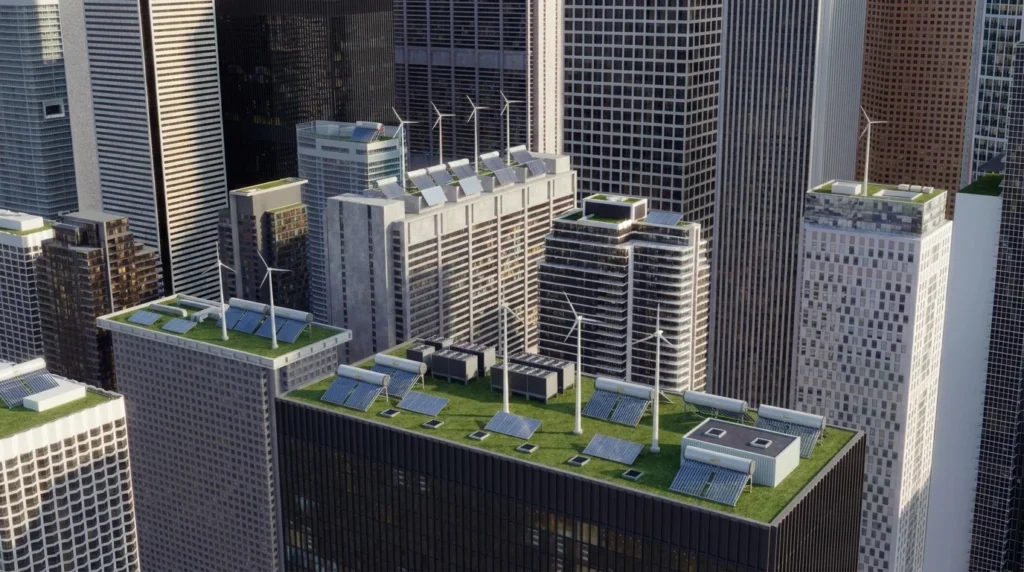
- Photovoltaic Systems: Installing solar panels on the roof can make your home almost energy autonomous, especially when combined with storage systems (batteries).
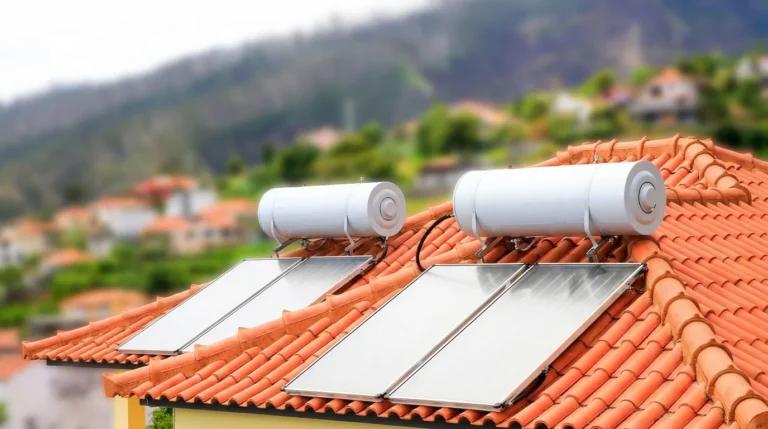
- Solar Water Heaters: A highly efficient and cost-effective solution for free domestic hot water.
5. Water Resources Management
Water scarcity is a global issue, and the home of the future cannot ignore it. Rainwater harvesting systems can be used for watering the garden or washing outdoor areas. At the same time, low-flow faucets and modern dual-flush toilets drastically reduce daily consumption without compromising your comfort.
The Benefits for the Owner
The decision to invest in sustainable construction returns value to you in many ways:
- Drastic bill reduction: A properly insulated house with a heat pump and photovoltaics can almost eliminate electricity and heating costs. The initial construction cost is recouped very quickly.
- Superior Quality of Life: Natural lighting, stable temperatures, and non-toxic materials create an environment that promotes the health and well-being of your family.
- High Resale Value: In the modern real estate market, buildings with a high energy class (A or A+) are considered premium. A green home has a much higher commercial value than a conventional one.
The Next Step
Building a home is perhaps life’s most important investment. By choosing sustainable construction, you ensure that your home will be modern, economical to maintain, and environmentally friendly for generations to come.
However, to properly implement all these technologies, expertise is required. You need a partner who knows how to integrate architectural design with modern electromechanical solutions.
Are you ready to make your vision a reality? At Gkotzamanis Constructions, we have the experience and expertise to design and build your own “green” home, from the foundations to turnkey delivery. Contact us today for a free consultation meeting, and let’s design the home of tomorrow together!