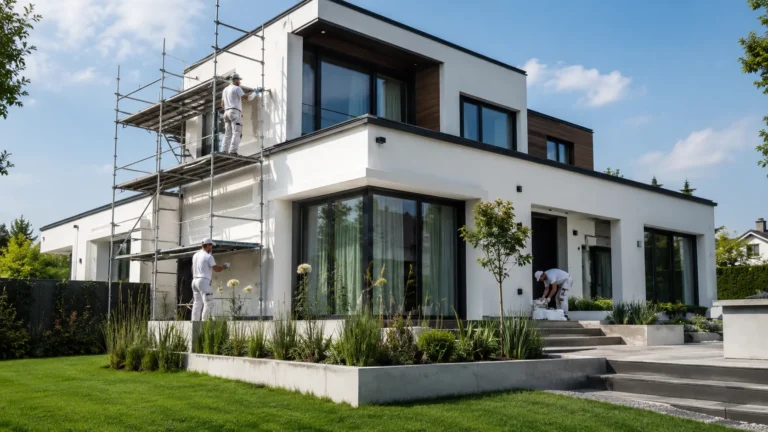


How to Evaluate a Neighborhood Before Buying a New House
Buying a new house is one of the most important decisions of our lives, but the building itself is only half the equation. The neighborhood where the house is located will determine to a huge extent the quality of your daily life, your safety, and the future value of your property.
Before you sign the contracts, it is crucial to do thorough research on the area. Here is a guide with the basic steps to properly evaluate a neighborhood:
1. Visit the area on different days and times
A neighborhood might seem quiet and idyllic on a Sunday morning, but completely different on a Wednesday afternoon or a Saturday night.
- Morning hours: Check the traffic on the streets, how easy it is to park, and if there is noise from schools or local businesses.
- Evening hours: How is the street lighting? Do you feel safe walking around? Is there noise from bars, restaurants, or main avenues?
2. Evaluate The neighborhood by the infrastructure and amenities
Daily life becomes much easier when the basics are close by. Note the distance from the house to:
- Supermarkets, bakeries, and pharmacies.
- Public Transportation stops (subway, buses). Even if you drive, good connectivity increases the property’s value.
- Green spaces and parks, especially if you have children or pets.
- Schools, if you have or plan to start a family.
3. Talk to your future neighbors
There is no better source of information than the people who already live there. Don’t hesitate to greet someone walking their dog or sitting at the local cafe. Ask them what they like most about the area and what they think is missing or is problematic.
4. Check the safety of the area
The feeling of safety is non-negotiable.
- Ask the local police station or look for crime statistics in the area (burglaries, vandalism).
- Observe the condition of other houses. Well-maintained houses and clean streets usually indicate a community that cares about its area.
5. Research future development plans
Visit the local municipality or search online for any future infrastructure projects, land use changes, or major construction projects (e.g., new subway stations, shopping malls, airports, or even industrial zones). A new square can upgrade the neighborhood, while a new highway might bring noise and exhaust fumes.
6. Calculate the commute time
Do a test run from the prospective house to your workplace during rush hour. This route will become part of your daily routine, so it’s important to know the actual time you’ll be spending on the road.
Conclusion
Choosing the right house requires choosing the right neighborhood. Take your time, trust your instincts, and make sure the area around the house fits your lifestyle.
In summary, you need to evaluate a neighborhood, because it is an investment in your quality of life, not just a financial transaction. The most beautiful house in the world can quickly lose its shine if the surrounding environment doesn’t meet your needs, values, and the pace of your daily life. Thorough research, observation, and direct contact with locals are the tools that will save you from future disappointments. By doing this prep work, you ensure that you are not just buying a property, but finding the ideal place to build your real “home”.